
The AI Engine and Sector Divergence
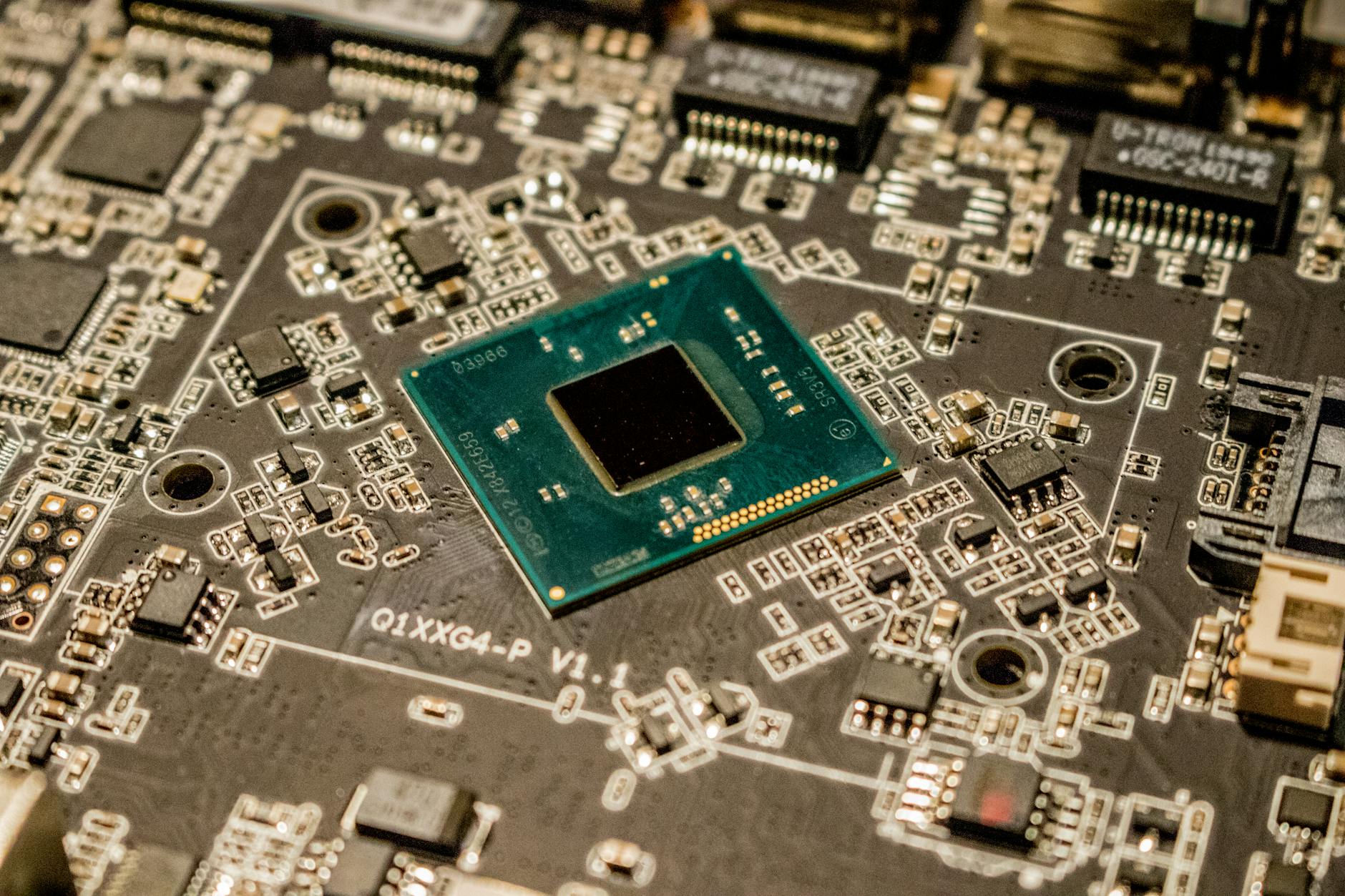
The primary driver behind the rally was renewed investor confidence in the artificial intelligence (AI) sector. Semiconductor manufacturers, which provide the hardware backbone for AI development, led the charge. Marvell Technology shares rose 5.8%, their best performance in a month, after the company raised its revenue forecast for coming years, citing a strong outlook for the AI infrastructure buildout. Advanced Micro Devices (AMD) shares also gained 2.8% following comments from CEO Lisa Su in Taipei, where she outlined plans to increase semiconductor supply next year.
This tech-driven momentum is creating a significant bifurcation in the market. While the S&P 500 and Nasdaq are hitting record highs, the Dow Jones Industrial Average rose only 0.49%, or 253 points, on Tuesday. The Dow, which is weighted more heavily toward financials, industrials, and consumer staples, has slumped for five consecutive weeks, reaching its lowest level since May 26. It remains down approximately 5% from its early August peak. This divergence is largely due to the index’s market-cap weighting; Nvidia alone accounts for nearly 8% of the S&P 500, and its nearly 5% gain this month has disproportionately lifted the major indices.
Bond Markets and the Cost of Capital
Underlying the stock market’s resilience is a complex dynamic in the bond market. The 10-year U.S. Treasury yield recently hit its highest level since 2002, testing the 5.36% mark. Such high yields increase borrowing costs for corporations and consumers, weighing on sectors like real estate, financials, and materials, which have each dropped more than 4.5% over the past month.
However, Tuesday’s session was buoyed by a successful auction of $39 billion in 10-year Treasury bonds, sold at a yield of 5.3%. This result signaled growing demand for U.S. debt and provided material support to equities, allowing the S&P 500 to rebound from session lows. Investors are closely monitoring whether this improved demand can sustain a lower yield environment, as the 10-year yield is a critical determinant for mortgage rates and corporate debt financing.
Monetary Policy and Macro Headwinds
Market sentiment is also being shaped by expectations regarding the Federal Reserve. Recent minutes from the Fed indicated that officials had previously anticipated another 0.25% rate hike by the end of the year. However, these odds have cratered following recent macroeconomic data showing that headline and core Personal Consumption Expenditure (PCE) inflation eased in August. Additionally, the U.S. labor market showed signs of cooling, with only 29,000 jobs added and the unemployment rate rising to 4.2% last month. These figures suggest the Fed may be less inclined to raise rates further, a development that is generally bullish for equities.

Despite the positive domestic data, geopolitical risks persist. Tensions in the Middle East, particularly regarding the Strait of Hormuz, continue to weigh on market confidence. Iran’s intensified activity in the region poses a risk to energy supplies, which could lead to higher oil prices and stickier inflation, potentially forcing the Fed to maintain a tighter monetary stance. For now, however, investors appear to be prioritizing the immediate earnings potential of AI companies over these broader macroeconomic uncertainties.
As the market enters the third-quarter earnings season, attention will shift to whether non-tech sectors can find a footing. PepsiCo’s upcoming earnings release is a key near-term catalyst, as the company faces scrutiny over weakening demand in North America. The coming weeks will test whether the current rally is a broad-based recovery or a narrow, tech-dependent phenomenon vulnerable to shifts in global bond yields and geopolitical shocks.
