
Data from the Central Bank of Tunisia indicates that tourism generated 3,352 billion dinars in state revenue between January and June 2026. This figure translates to approximately 994 million euros, representing an 8.3 percent increase compared to the same period in 2025, when revenue stood at 3,096 billion dinars. The absolute growth amounted to 255.6 billion dinars, or roughly 76 million euros. While tourism remains the second-largest source of foreign currency for the country—trailing only remittances from Tunisians living abroad—the two sectors combined contributed 7,758 billion dinars (approximately 2.31 billion euros) to the economy in the first half of the year.
The momentum in 2026 builds upon a record-breaking 2025. Last year, Tunisia welcomed more than 11 million visitors, generating a total of $2.68 billion in revenue, a 6.3 percent jump from 2024. The sector’s performance in 2025 was characterized by a shift from simple rebound to stable expansion, driven by both high visitor volumes and increased spending per traveler. Regional markets provided a stable backbone for this growth, with neighboring Algeria and Libya remaining the largest source markets. In 2024 alone, nearly 3.5 million Algerians and 2.25 million Libyans visited the country, a flow that continued to support the industry into 2025.
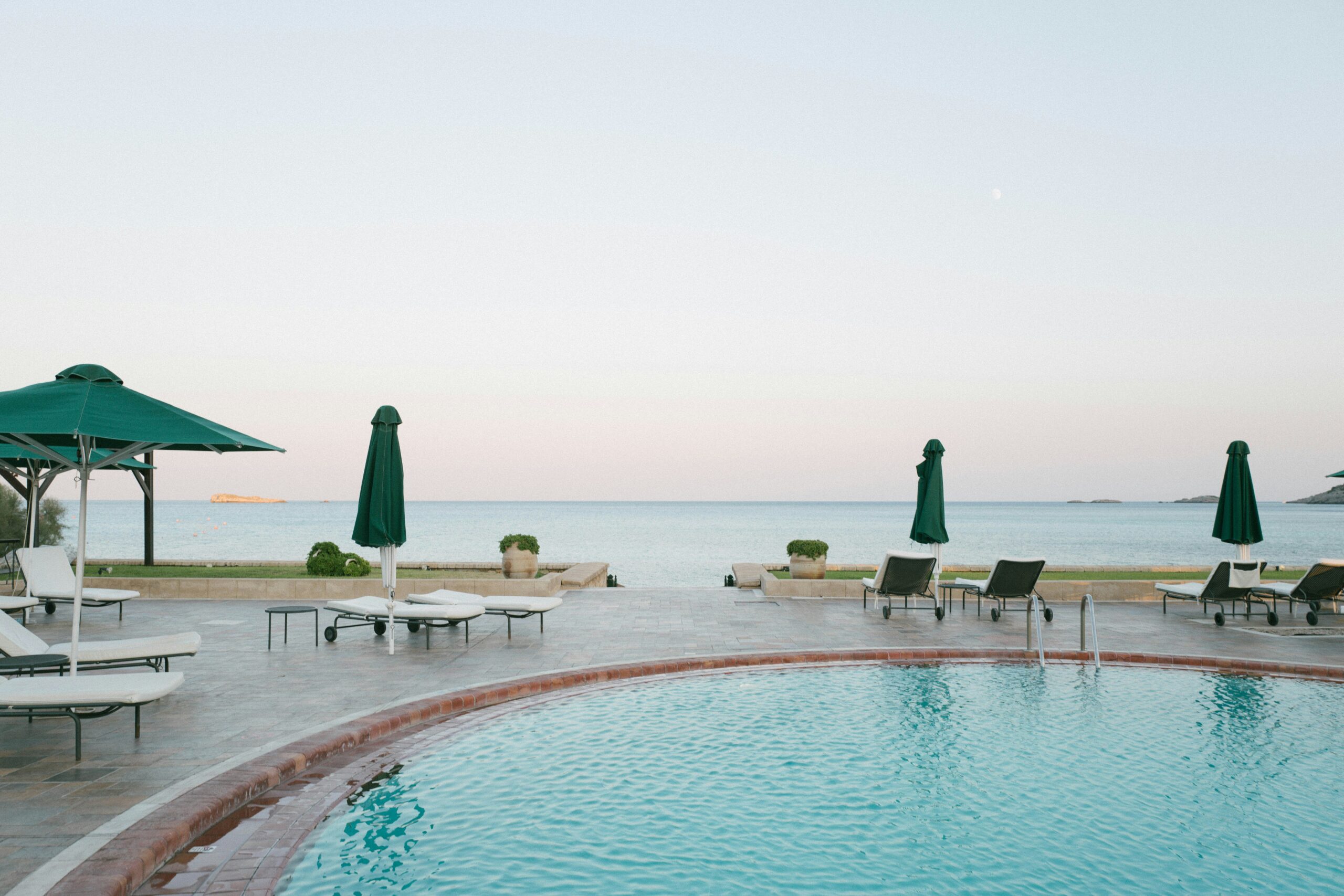
However, the most significant structural change in the sector’s performance has been the diversification of its international appeal. European arrivals exceeded 2.5 million in 2025, with France remaining the largest outbound source market, contributing approximately one million visitors. This influx of European tourists is cited as a key factor in the recent revenue surge, particularly during the spring season of 2026, where visitor numbers outpaced the previous year. The shift reflects successful marketing efforts aimed at moving beyond traditional beach tourism toward a more diversified offering that includes cultural, wellness, and heritage experiences.
This strategic pivot is driving investment decisions by global hospitality players. Meliá’s entry into the Tunisian market is built on a model of repositioning existing assets through targeted investments to align them with international standards. Gabriel Escarrer, Chairman and CEO of Meliá Hotels International, noted that the partnership with MHG is designed to support a tourism offering with greater added value, aligned with trends in quality and sustainability. The collaboration leverages MHG’s local market expertise and distribution capabilities, combined with Meliá’s global brand recognition, to improve competitiveness among European travelers.
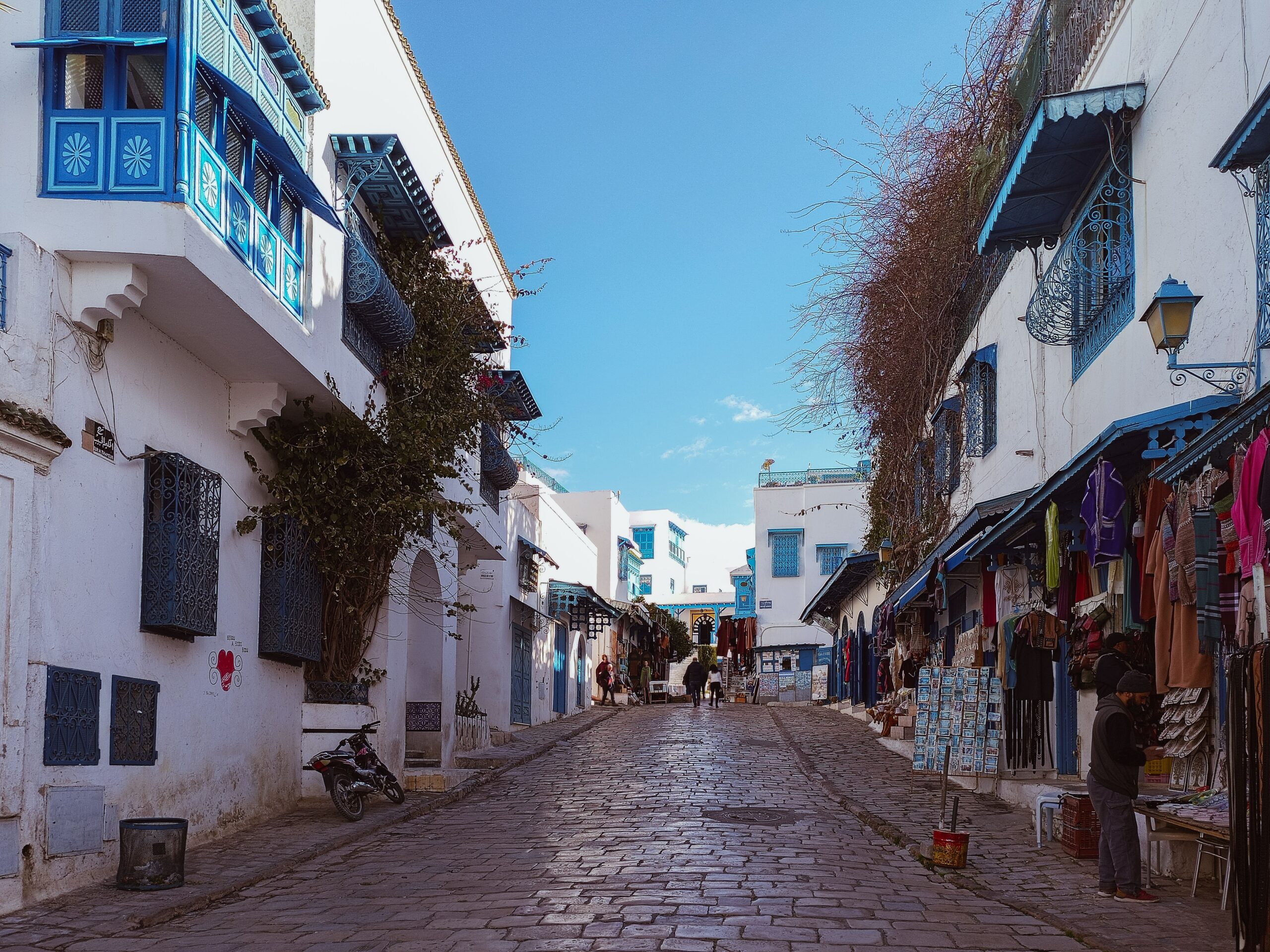
The government’s strategy has also focused on reducing seasonality, a long-standing challenge for the Mediterranean destination. By promoting year-round tourism through curated cultural and desert experiences, authorities have worked to improve occupancy rates across hotels and resorts outside the peak summer months. This approach, coupled with continued investments in airports and transport infrastructure, has strengthened Tunisia’s image as a resilient and competitive destination. While the sector faced temporary slowdowns due to regional geopolitical tensions, the fundamental demand from both neighboring countries and Europe has proven durable.
As the new Meliá resort in Mahdia prepares to open, it serves as a tangible marker of this economic transformation. The industry is no longer just recovering; it is entering a phase of quality-focused growth. With targets set for 3,000 rooms by 2030 and revenue already breaking the €1 billion mark for the first half of the year, the next critical indicator for the Tunisian economy will be the sustainability of European visitor flows and the successful rollout of the remaining four properties in Tabarka, Monastir, Djerba, and Tunis City between 2027 and 2029.