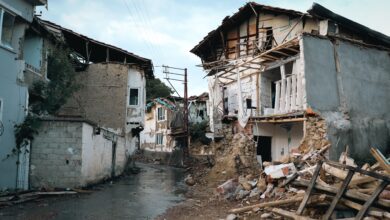
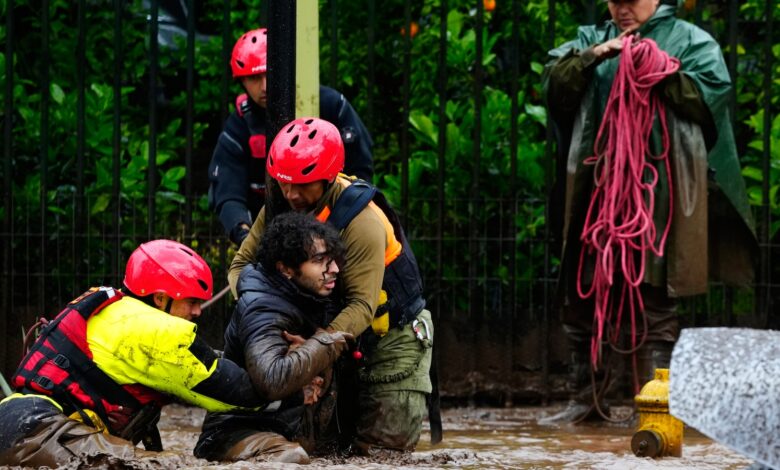
Authorities confirmed that at least 13 people have died and seven others remain missing following the severe weather system. Alicia Cebrian, director of Chile’s National Disaster Prevention and Response Service (SENAPRED), stated that the storms have displaced 2,281 people. The physical destruction is extensive: 81 homes have been destroyed, while 2,761 more have sustained major damage. The impact on essential services has been severe, with 87,000 customers left without electricity due to washed-out roads and damaged distribution lines. Government officials indicated they are seeking sanctions against electricity distributors for the sustained outages, while schools in four regions have suspended classes to ensure safety.
President José Antonio Kast declared a state of emergency in the affected areas on Monday, a designation that grants government agencies expanded powers to mobilize resources and manage the crisis. The emergency response has involved more than 1,000 rescue and evacuation operations by firefighters. Among the injured is a one-year-old child who suffered broken bones during the flooding. While the immediate downpours are expected to ease, Interior Minister Claudio Alvarado warned that significant risks remain. He noted that “swollen riverbeds and ravines” present a continued threat, as waterways and stream banks have been weakened by days of intense rainfall. Cebrian added that there is still a risk of rising water levels in certain areas, necessitating continued vigilance by emergency brigades.
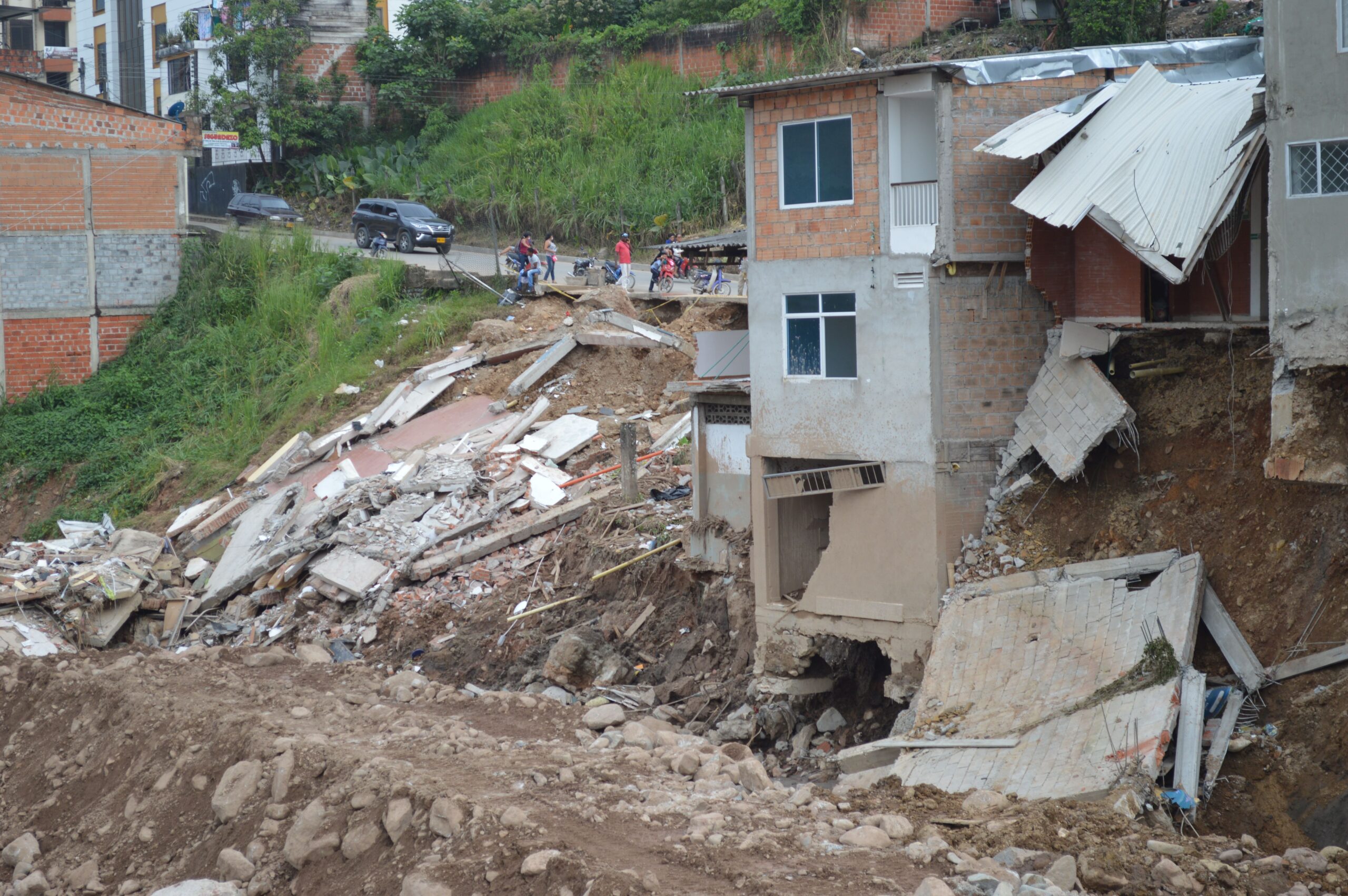
The current crisis is occurring against the backdrop of a powerful El Niño event. The World Meteorological Organization stated that this year’s El Niño is expected to peak in December and could be among the most intense recorded since 1950. This naturally recurring warming of tropical Pacific waters scrambles global rainfall patterns, often bringing wetter springs and autumns to the Southern Hemisphere. Chile’s meteorological service has warned that rainfall could continue to exceed historical averages in the coming months due to the persistence of El Niño, raising concerns among disaster managers who are keeping brigades active to respond to potential landslides and transport interruptions.
The event has exposed vulnerabilities in Chile’s infrastructure and social safety nets. Social organizations have highlighted that the climate crisis does not affect all communities equally. Poorer households, particularly those in flood-prone rural and peri-urban areas, have been disproportionately impacted, often being the first to lose power, housing stability, and access to transport. These groups are calling for permanent budget lines and improved territorial planning to reduce the impact of extreme weather on working-class families living in high-risk zones. Earlier in the week, the storms had already left nearly 12,000 customers in Santiago without power and damaged dozens of homes across the central region.
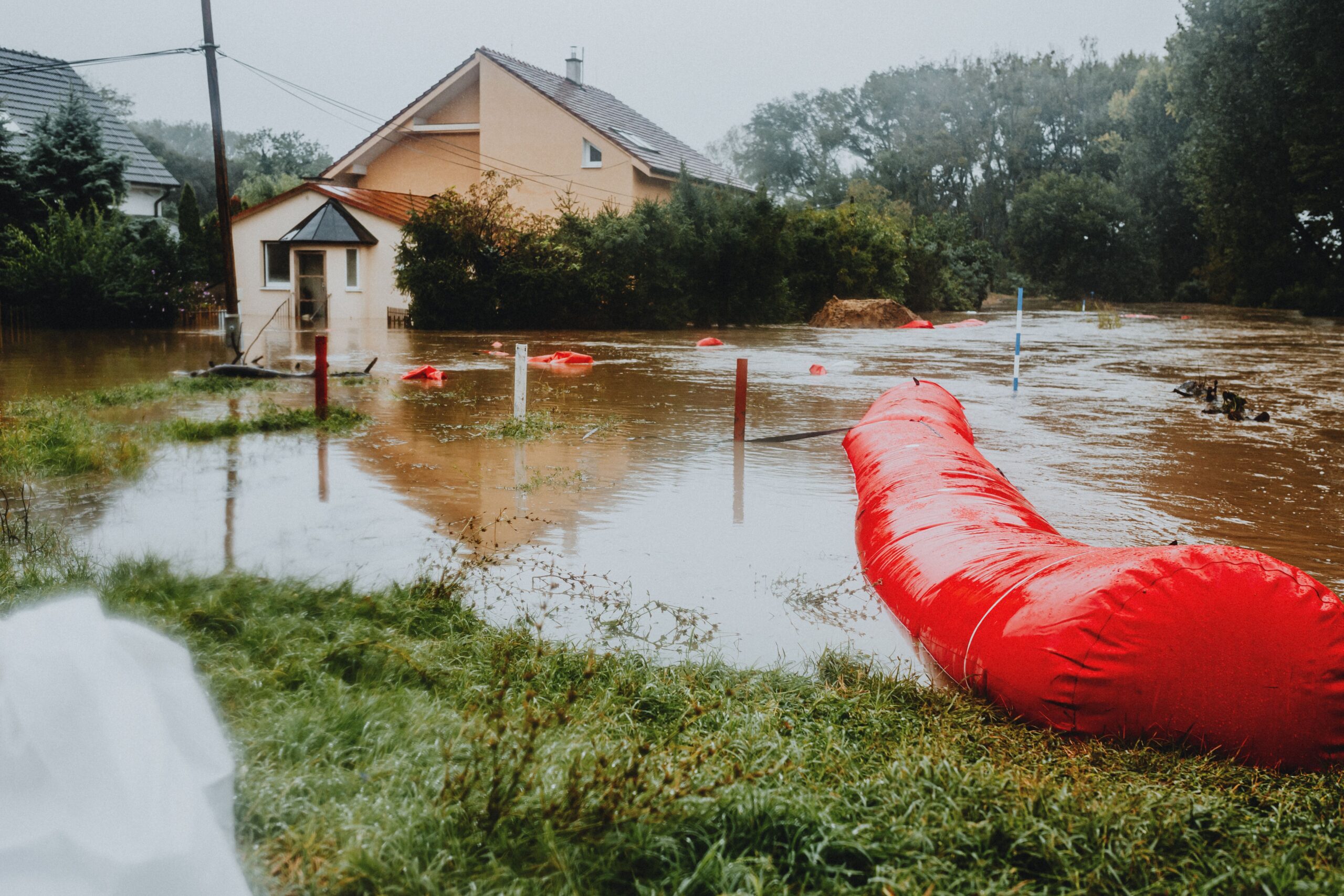
As the immediate threat of torrential rain subsides, the focus shifts to the lingering dangers of saturated terrain. The combination of high water tables, weakened soil stability, and the potential for further heavy precipitation creates a complex hazard environment. Authorities continue to monitor river levels and coordinate evacuations where necessary, aware that the geological consequences of the rainfall may unfold over the coming days. The state of emergency remains in effect, ensuring that resources stay focused on recovery and mitigation efforts in the districts most severely affected by the storm.