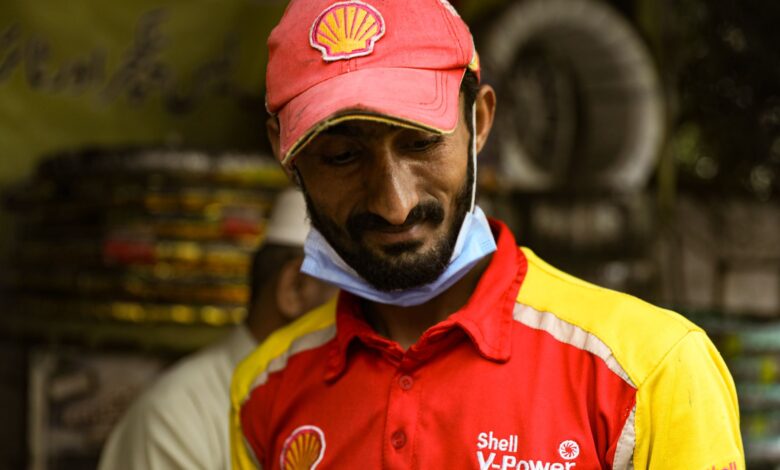
The immediate financial impact on consumers is stark. On Tuesday, the government raised the price of petrol by PKR 4.10 per litre and high-speed diesel by PKR 6.41 per litre. These increases bring the retail prices to PKR 384.34 and PKR 415.83 per litre, respectively, marking new record highs for fuel costs in the country. While the government announced a fuel subsidy that came into effect on Wednesday to ease the burden, the measure has provided limited relief to the public. Reports indicate that the subsidy program is not functioning smoothly, with vehicle owners facing significant bureaucratic hurdles to access the financial aid.
“First of all, you have to register your vehicle. Then you have to register your mobile phone. How can an illiterate person survive if the conditions are so difficult?”
Photo by cottonbro studio on Pexels
The complexities of the subsidy system have been highlighted by residents who must register both their vehicles and mobile phone numbers to qualify for the discount. Mohammad Musharraf, a resident of Karachi, described the process as unmanageable for many, particularly those with lower literacy levels. This administrative friction has left many struggling to offset the sharp rise in daily transportation costs, exacerbating economic pressure on households already facing inflation.
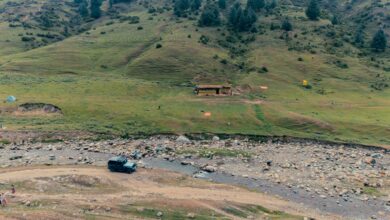
The energy crunch has prompted ministers to warn of broader systemic risks as the Shehbaz government weighs further measures to control petroleum consumption. The disruptions in the Gulf region have not only affected Pakistan but also neighboring countries, with Bangladesh also facing gas shortages as the regional crisis worsens. The government’s strategy relies on immediate demand reduction through curfews and travel bans, aiming to conserve remaining fuel stocks while global supply chains remain volatile.
Photo by Emirhan Emiroğlu on Pexels
The situation highlights the vulnerability of economies dependent on imported energy to geopolitical shocks in the Middle East. As the US-Iran conflict continues, the absence of a stable supply route through the Gulf has forced governments in the region to prioritize domestic security over economic flexibility. Pakistan’s response represents a shift from standard market adjustments to direct state intervention in daily economic and social activities.
The next critical development will be the effectiveness of the current curbs in stabilizing fuel availability and the potential for further escalation in global oil prices. Officials have yet to announce a timeline for the removal of these restrictive measures, leaving businesses and citizens in a state of uncertainty regarding the duration of the energy rationing.
Daniel Morris covers international affairs with a focus on diplomacy, regional tensions, cross-border disputes, and shifting alliances. His reporting examines how decisions by governments and international institutions influence events beyond national borders. Daniel follows official statements, diplomatic developments, and multiple viewpoints to provide clear context around complex geopolitical stories.