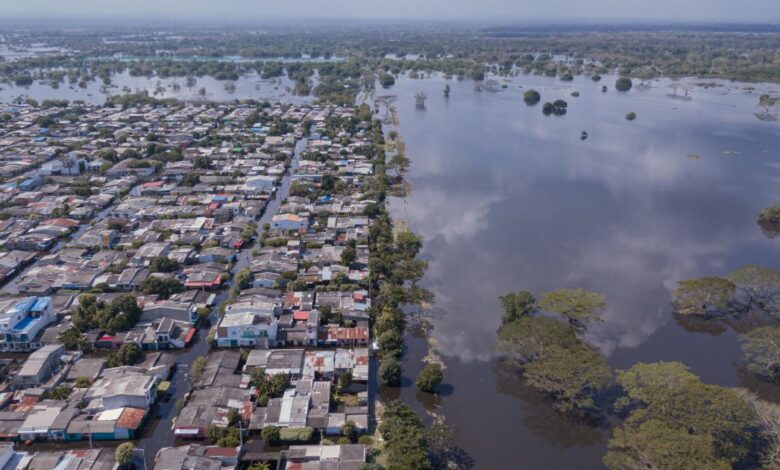
The disaster was precipitated by an atypical cold front entering from the Caribbean, which pushed precipitation far above normal levels. According to the Institute of Hydrology, Meteorology and Environmental Studies (Ideam), rainfall in some areas exceeded 64% above the January and February averages. In the first week of February alone, parts of the region received 130 to 180% of their average monthly rainfall. The resulting deluge submerged approximately 870 square kilometers of land, inundating 80% of Córdoba’s territory and isolating entire communities. The 30-day emergency decree enables the government to allocate emergency funds, with the Finance Ministry planning to issue tax decrees to collect $2.2 billion for relief efforts and infrastructure repairs.
The humanitarian impact is severe, with thousands of families forced into temporary shelters, schools, and improvised spaces. In Córdoba, officials estimate that 1.7 million hectares of agricultural land are submerged, destroying crops such as plantain, yucca, and watermelon, while more than 5,500 livestock animals have been lost. Over 1,700 homes have been completely destroyed, with another 4,000 rendered uninhabitable. The German and Colombian Red Crosses, supported by the European Union, are providing emergency assistance to over 167,000 people, focusing on access to safe water, sanitation, and hygiene. However, public health officials warn that overcrowded shelters and contaminated water sources are creating a “ticking time bomb” for disease, with rising cases of waterborne illnesses, dengue, and respiratory infections reported among displaced families, particularly children and the elderly.

“We are facing a severe climate crisis that has overwhelmed traditional coping mechanisms,” said Carlos Carrillo, director of the National Unit for Disaster Risk Management (UNGRD). “This is much more serious than even the most pessimistic scenarios we expected.”
The severity of the flooding has reignited a contentious debate regarding the Urrá hydroelectric dam, located on the Sinú River upstream of the most affected areas. Local residents, some experts, and President Petro have alleged that the dam’s management exacerbated the flooding by retaining high reservoir levels prior to the rains and releasing large volumes of water during the emergency. Petro stated that the dam’s operations constitute an environmental crime, demanding the resignation of its manager. While local authorities and scientists point to the unprecedented cold front as the primary trigger, a multi-institutional climate research consortium, ClimaMeter, notes that warmer air temperatures have increased rainfall by 10-15% in recent years, compounding the impact of natural variability. The Intergovernmental Panel on Climate Change (IPCC) projects that a global temperature increase of 1.5°C could increase Colombia’s flood-affected population by 100-200%.
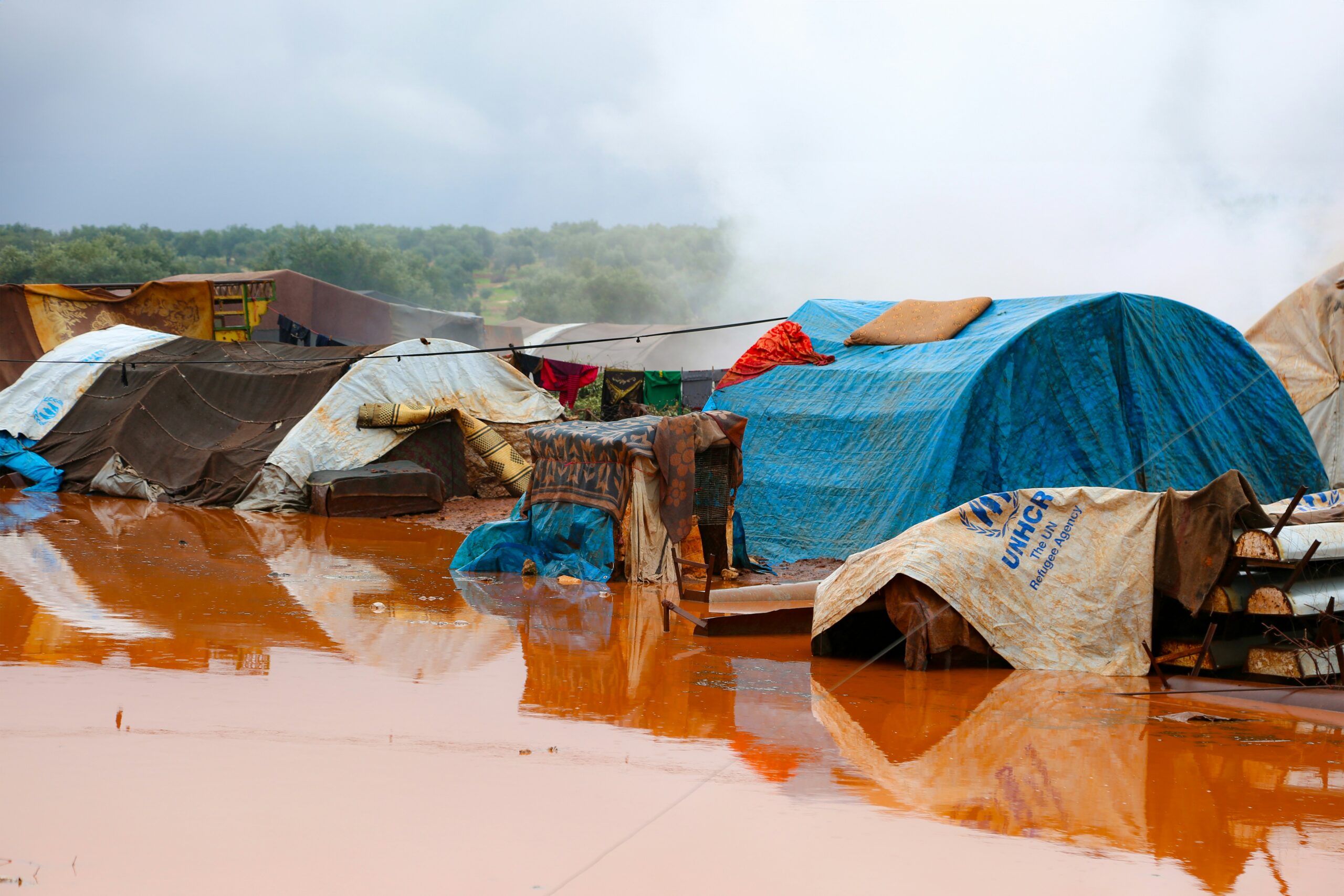
Meteorologists warn that the situation could deteriorate further as March and April approach, months that typically bring seasonal rains to the region. Ideam has maintained high-level yellow and red alerts for at least 16 departments, with officials cautioning that the current infrastructure is unprepared for such extreme weather patterns. Local government officials acknowledge that risk management plans based on historical peak levels were insufficient for this event, stating that future infrastructure must be designed to withstand increasingly frequent cold fronts and extreme precipitation events.
As waters begin to recede in some areas, the focus shifts to damage assessment and the prevention of a public health crisis. Emergency responders continue to distribute purification tablets, hygiene kits, and food supplies to cut-off areas, while satellite mapping tools are used to identify isolated communities. The full scale of the economic and social damage remains under evaluation, with final figures expected to rise as access to submerged rural areas improves.