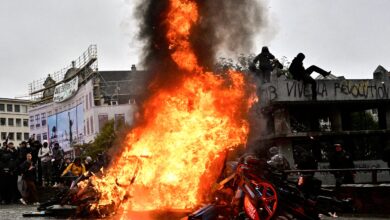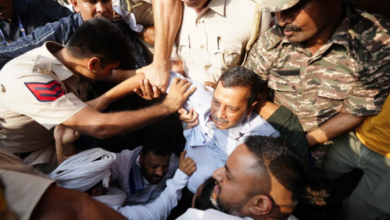
The central development involves a coordinated effort by security forces to disrupt planned protests in the capital. While the specific routes and assembly points of the detained individuals were not all publicly detailed, the sheer volume of arrests indicates a strategy designed to dismantle the logistical backbone of the opposition’s planned mobilization. This preemptive detention contrasts with typical crowd management tactics, suggesting an intent to suppress the demonstration entirely rather than regulate it.
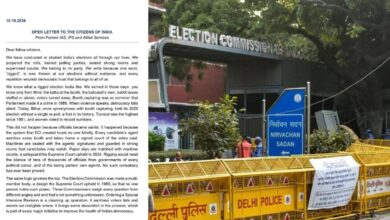
The political significance of this crackdown is profound, as it occurs during a period of heightened opposition activity. The protests are part of a broader movement demanding electoral reforms and the resignation of Election Commission of India (ECI) chief Gyanesh Kumar. Opposition parties, including the Indian National Congress, have framed these demonstrations as a critical juncture for democratic accountability. The timing is particularly sensitive, with the opposition planning a ‘major stir’ on October 12, a date that aligns with parliamentary proceedings and anti-SIR (State Information Regulator) protests. By detaining thousands in advance, the government has effectively altered the political landscape, forcing the opposition to operate under the constraint of mass incarceration of its supporters.
The institutional context of this conflict centers on the independence of electoral and regulatory bodies. The demand for the resignation of CEC Gyanesh Kumar reflects deep-seated concerns among opposition leaders regarding the fairness of the electoral process. The ECI is constitutionally charged with ensuring free and fair elections, and challenges to its leadership are viewed by critics as an attempt to legitimize perceived systemic biases. The involvement of the State Information Regulator in the protest narrative further underscores the opposition’s focus on media and information governance, suggesting a holistic critique of the state’s control over public discourse.
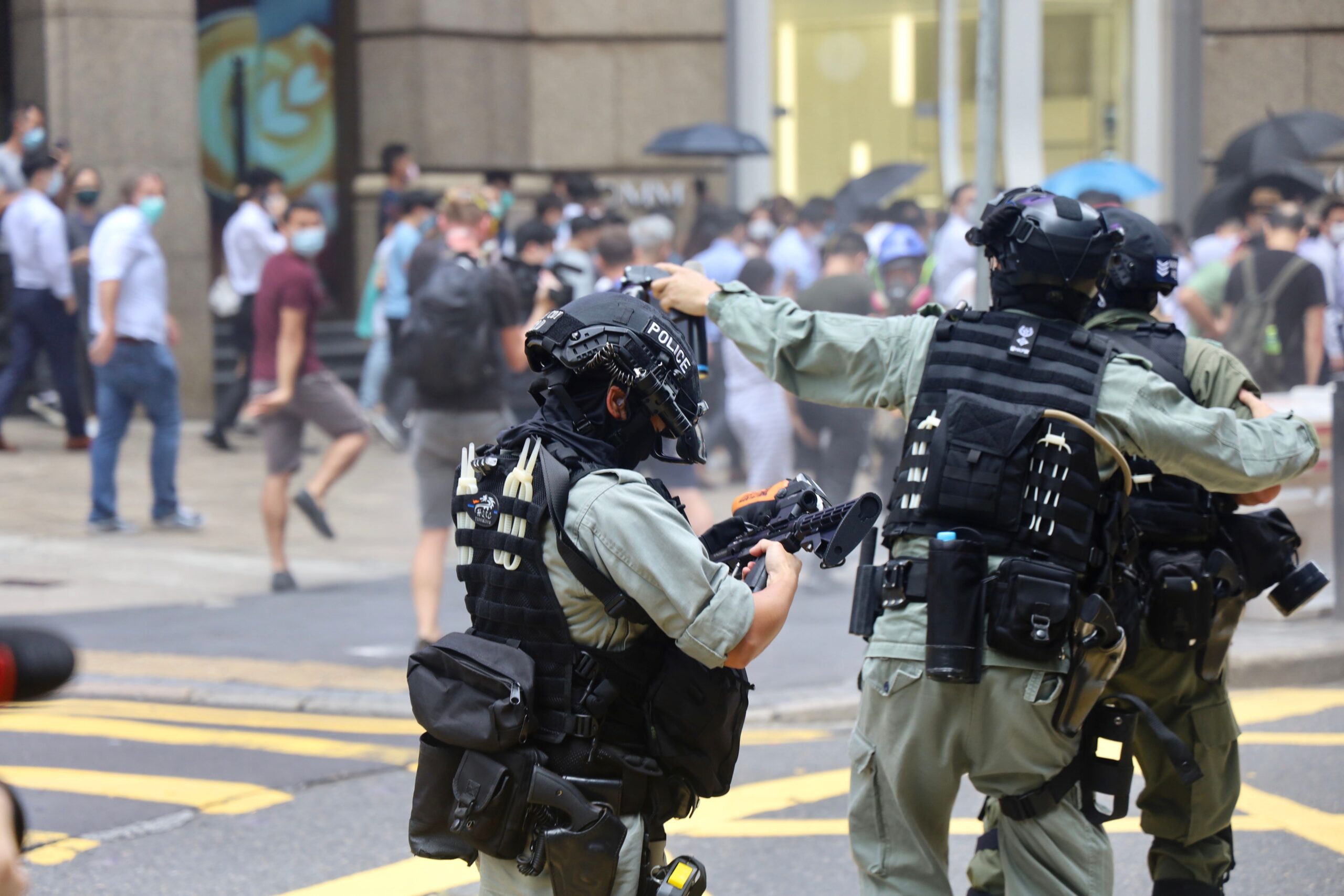
Opposition leaders have responded to the crackdown with sharp condemnation. Shashi Tharoor, a prominent voice in the coalition, criticized the government’s actions, stating that the current generation of young Indians “deserves better than Emer-Gen Z.” His comments highlight a narrative of generational disillusionment, framing the security crackdown as an affront to the democratic rights of a rising political demographic. The use of the term “Emer-Gen Z” serves to juxtapose the urgency of the political crisis with the vitality of the youth movement, suggesting that the state is attempting to freeze political evolution through force.
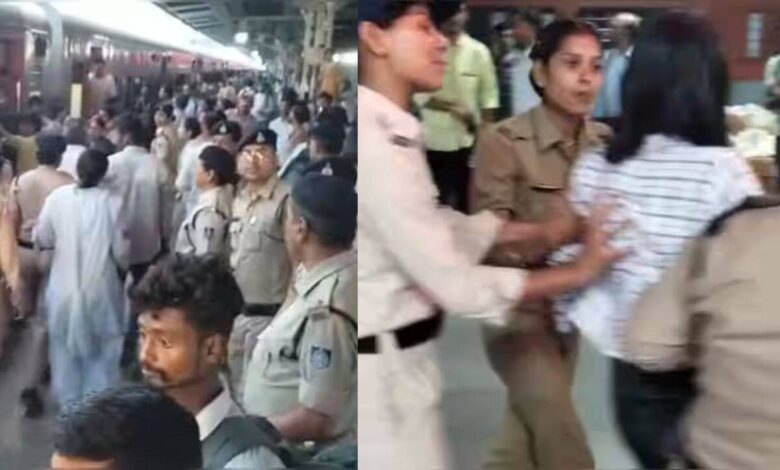
The legal and administrative mechanisms behind the detentions have also drawn scrutiny. In a related incident in Pune, fourteen students and activists were detained while attempting to travel to Delhi by train to participate in the national protest. A habeas corpus petition was subsequently filed, leading a court to order their release. However, the group chose to continue their protest in Pune rather than proceed to the capital. Allegations of excessive force and illegal confinement accompanied their detention, raising questions about the proportionality of police actions across different states. This incident illustrates the geographic dispersion of the security crackdown, indicating that authorities are monitoring and intercepting protest logistics not just in Delhi, but in key transit hubs nationwide.
The impact on governance and public trust is significant. By detaining thousands of individuals before the demonstrations could occur, the government has effectively removed the physical presence of dissent from the public sphere of New Delhi. This raises questions about the existence of a “public square” for political expression in the capital. The opposition is likely to leverage these detentions as evidence of authoritarian tendencies, arguing that the state is prioritizing political stability over democratic participation. Conversely, the government may frame the actions as necessary for public order, citing the potential for violence or disruption associated with large-scale gatherings.
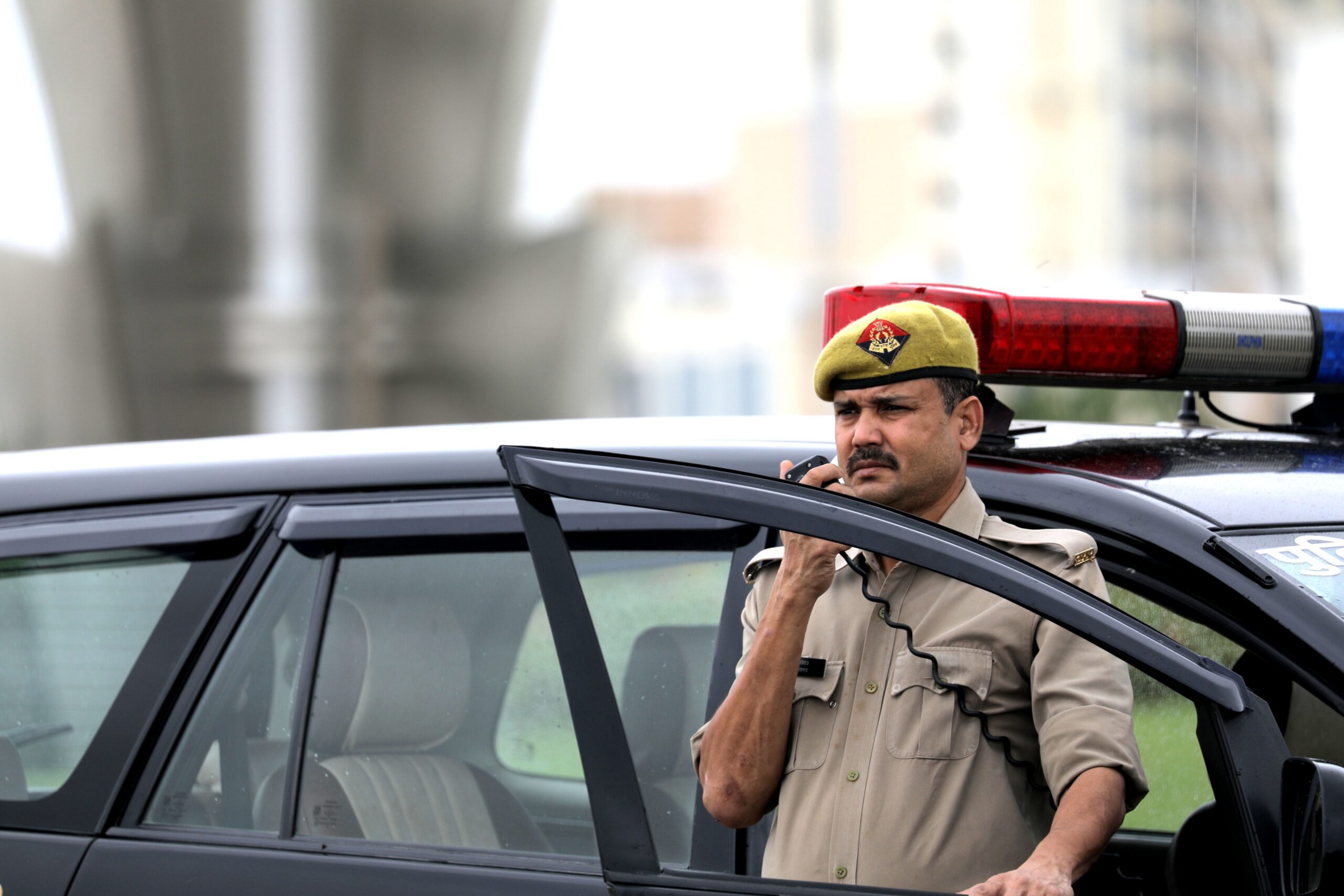
What remains uncertain is the long-term effect of this crackdown on the opposition’s mobilization capacity. While the immediate physical protest in Delhi has been thwarted, the digital and political mobilization may continue. The detention of thousands creates a pool of political prisoners that could become a rallying point for further dissent. The upcoming parliamentary session and the October 12 deadline will serve as critical tests of the government’s resolve and the opposition’s resilience. The next political development will likely hinge on whether the opposition can translate these detentions into a broader electoral strategy or if the security crackdown will succeed in dampening public engagement with the anti-government narrative.
The situation in New Delhi underscores a deepening political crisis in India, where the boundaries between state security and political suppression are being intensely contested. The detention of thousands of protesters, coupled with the specific targeting of student and activist groups, signals a shift in the tactics of the ruling government. As the opposition prepares for further action, the focus will remain on the institutional integrity of electoral and regulatory bodies, with the ultimate test being the government’s ability to maintain authority while managing the growing demands for democratic reform.