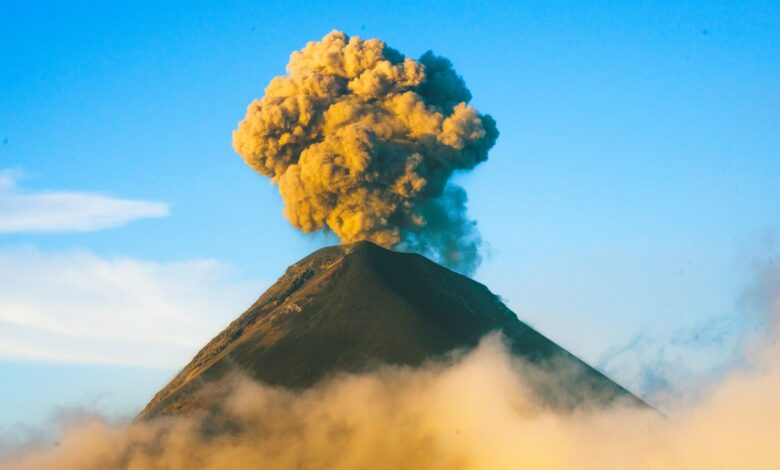
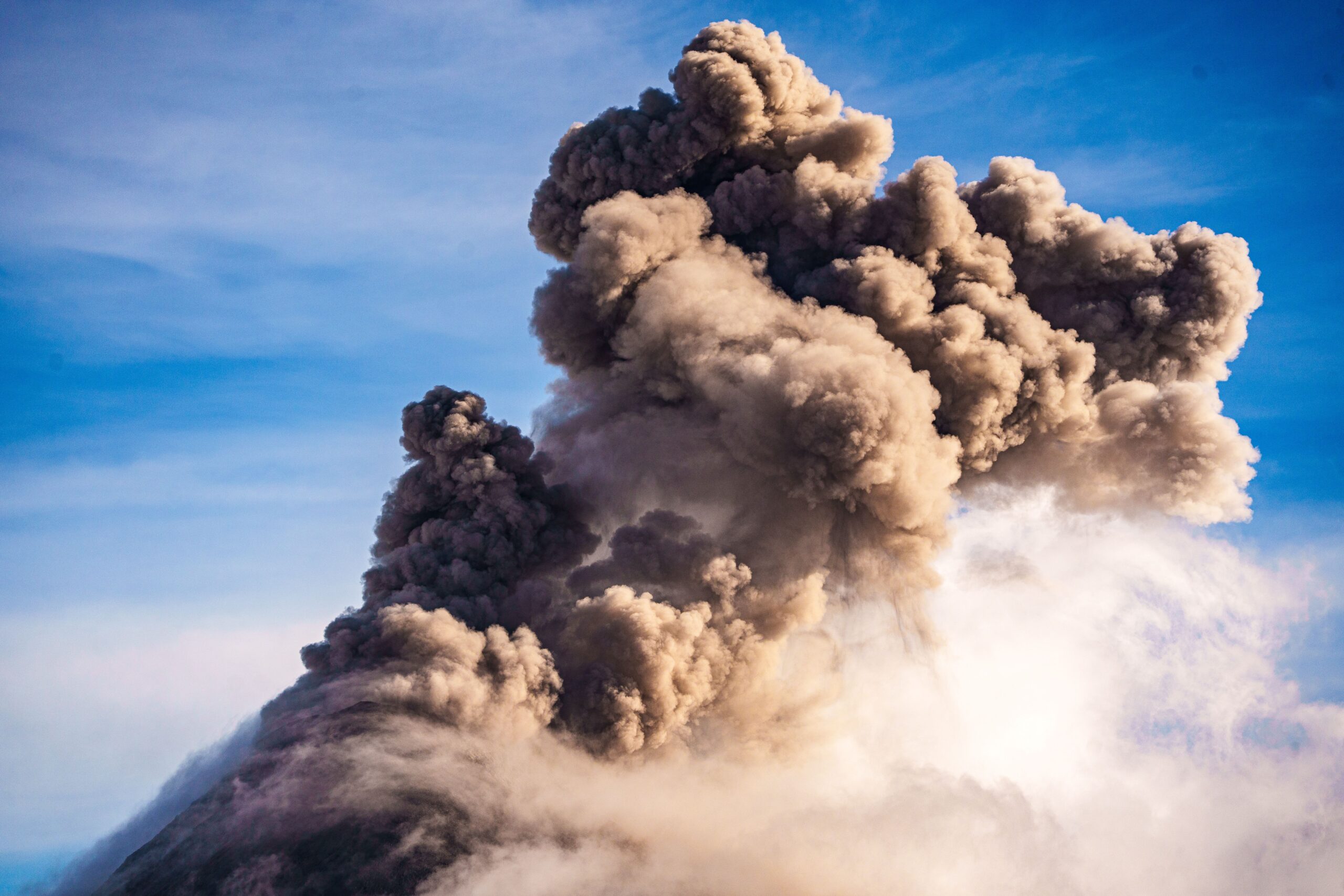
Recent seismic records indicate that the volcano has been active over the past few days, with a notable event occurring on Thursday at 4:38 p.m. local time. This specific eruption lasted approximately two minutes, generating large dark gray ash plumes that rose more than 6,500 feet (approximately 2,000 meters) above the crater before drifting southwest. Timelapse footage captured by PHIVOLCS documented the ascent of these plumes, highlighting the intensity of the gas and particle release.
During the Thursday eruption, pyroclastic density currents—fast-moving mixtures of volcanic particles and gas—descended the southern and southeastern upper slopes of the mountain. These flows remained within a half-mile radius of the summit crater. The activity is consistent with the volcano’s historical behavior, as Kanlaon, also known as Mount Kanlaon, is the most active andesitic stratovolcano and the highest mountain on Negros Island. Since 1819, the volcano has recorded 40 eruptions, which typically result in small to moderate-sized events and localized ashfalls.
In response to the heightened activity, PHIVOLCS has maintained Alert Level 2 for Kanlaon Volcano. This classification signifies that the volcano is in a state of heightened unrest, with increased seismic activity and gas emissions. Consequently, entry into the Permanent Danger Zone, defined as a 2.5-mile radius around the summit, is strictly prohibited. Authorities advise residents and visitors in nearby areas to remain vigilant for ashfall and potential changes in volcanic activity.
The sustained eruptions underscore the ongoing geothermal volatility in the region. While the precise long-term trajectory of the volcanic activity remains subject to continuous monitoring, the immediate hazard is primarily associated with ash dispersal and the restricted safety zone around the peak. Monitoring efforts continue to track seismic signals and visual observations to determine if the alert level requires adjustment based on subsequent developments.