
Procedural Context and Executive Stance
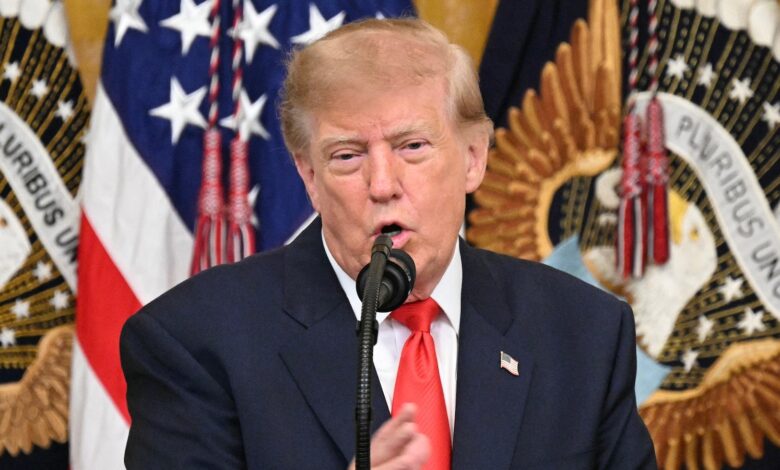
Hasan’s execution is carried out under the federal anti-terrorism laws enacted in the wake of the 9/11 attacks. Legal experts and commentators have begun scrutinizing the legality and precedential value of broadcasting such an event. President Donald Trump has publicly stated his support for the execution of Hasan, citing the severity of the crimes and the loss of life. However, it remains unclear whether the President specifically endorses the Pentagon’s plan to make the execution a public livestream. This distinction is critical, as the decision to broadcast involves specific operational and legal considerations that may differ from the general approval of the sentence.
The plan to livestream the execution draws sharp comparisons to practices in other nations that the United States has frequently criticized for human rights violations. Legal analysts have noted that public executions are largely associated with authoritarian regimes and are generally viewed in democratic legal systems as incompatible with the dignity of the individual and the decorum of the judicial process. By proceeding with a livestream, the U.S. risks aligning its own penal practices with those it has long condemned in international forums.
Reactions from Survivors and Families
The announcement has generated a complex response from the community of Fort Hood survivors. Alonzo Lunsford, who was shot several times during the attack, has indicated that he intends to attend the execution in person. Lunsford has expressed a desire to “lock eyes” with Hasan, suggesting a personal need for confrontation and closure that the private nature of traditional federal executions might not fully satisfy. For many victims’ families, the public nature of the execution represents a new form of accountability, while others remain wary of the spectacle it creates.
The case of Nidal Hasan has long been a focal point for discussions regarding mental health in the military, the complexities of federal capital trials, and the long wait for justice. Hasan was convicted in 2013 after a trial that lasted more than four months. He was sentenced to death, and his appeals have been exhausted through the federal court system. The current phase represents the final step in the criminal justice process, moving from legal adjudication to the physical execution of the sentence.
Legal and Ethical Implications
The decision to livestream the execution raises questions about the separation of powers and the role of the executive branch in shaping the manner of capital punishment. While the method of execution is typically governed by statute, the decision to open the event to a global audience via live stream involves discretionary authority that is rarely exercised in this manner. Critics argue that such a move transforms a judicial act into a public spectacle, potentially undermining the solemnity of the court’s judgment.
Conversely, proponents of transparency argue that the public has a right to witness the finality of justice being served, particularly in cases involving mass violence against military personnel. The tension between these views highlights the unresolved legal and ethical questions surrounding capital punishment in the modern era. As the date of the execution approaches, attention turns to whether any final legal challenges will be filed regarding the broadcast itself, or if the Department of Defense will proceed with the livestream as planned.
The next formal step in this process is the execution of the sentence by lethal injection, with the specific date to be confirmed by the Department of Justice. The outcome of this event will set a precedent for the visibility of future federal executions and may influence ongoing legislative and executive discussions regarding the administration of capital punishment in the United States.