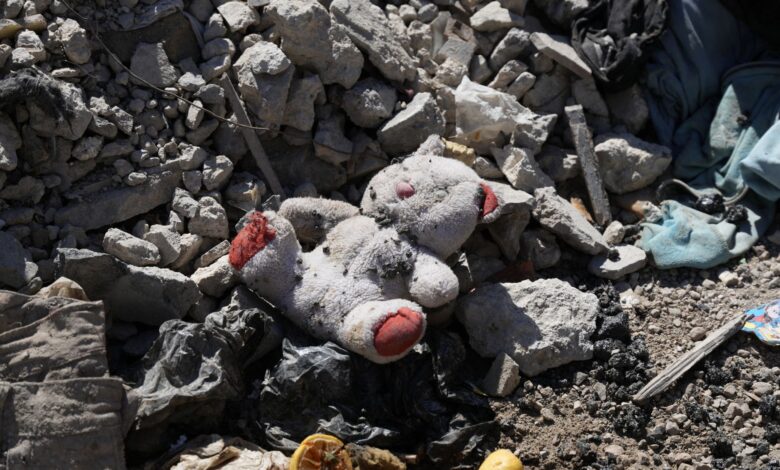
The President framed the strikes as direct retaliation for the lifting of sanctions on Russian diesel exports, arguing that Russia interprets any reduction in pressure as a green light to continue its military campaign. “Today, Russia expressed its ‘gratitude’ for the cancellation of sanctions on diesel fuel exports by dropping five guided bombs on residential buildings in Zaporizhzhia,” Zelenskyy wrote. He added that the events of the previous night confirmed that Moscow views the relaxation of pressure as permission to continue bombing cities.
The controversy centers on a deal struck between US President Donald Trump and Russian President Vladimir Putin, which permits the supply of Russian diesel to American and international markets. Prior to the agreement, Trump stated he had spoken with Putin to reach this understanding. The move comes amid surging fuel prices and the approach of US midterm elections, factors cited as contributing to the decision to engage with Moscow in this specific sector.
“In Russia, any easing of pressure is perceived as permission to continue the war, as permission to keep dropping bombs on cities. Other signals are needed. Russia must understand that it needs to end the war, and for that, it must feel its losses,” Zelenskyy stated, noting that Ukrainian long-range strikes are currently providing that pressure.
Ukrainian officials have expressed significant frustration over the timing and nature of the negotiations. Zelenskyy previously claimed that the US used a meeting with Ukrainian negotiators in Miami as a cover to finalize the diesel agreement with Russia. Additionally, reports indicate that the US administration moved forward with the deal after Zelenskyy ignored multiple requests to cease attacks on Russian oil refineries. This suggests a divergent strategic approach between Washington and Kyiv regarding how to leverage economic and military pressure against Moscow.
Ukraine warns that the deal effectively provides Russia with additional financial resources to fund its war effort, undermining the sanctions regime designed to limit Moscow’s capacity for aggression. The Ukrainian leadership argues that allowing Russian energy exports to flow into global markets directly contradicts the goal of isolating Russia diplomatically and economically. Zelenskyy emphasized that for Russia to consider ending the conflict, it must consistently face tangible losses and economic hardship, rather than receiving signals of normalization through trade agreements.
The incident underscores the complex diplomatic landscape surrounding the war, where domestic economic pressures in the US, such as rising fuel costs, are intersecting with high-stakes geopolitical negotiations. While the US aims to stabilize energy markets and manage relations with a key global power, Ukraine views any engagement with Russia that does not result in a cessation of hostilities as a failure of deterrence. The immediate consequence of the Zaporizhzhia strikes is a renewed push by Kyiv for stricter enforcement of pressure measures and a clearer signal from Western allies that Russia must halt its military operations.
The next expected development will be the reaction from other global partners to the US-Russia diesel deal and whether additional sanctions or diplomatic measures will be implemented in response to the continued strikes on Ukrainian cities. The outcome of these negotiations and the subsequent military actions will likely determine the trajectory of diplomatic efforts in the coming weeks.