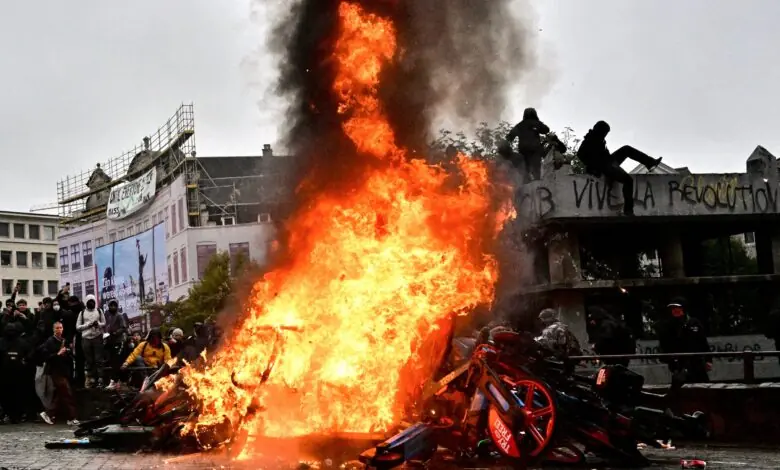
The political stakes are high. Prime Minister Bart De Wever’s “Arizona” coalition government is committed to securing approximately €10 billion ($11.5 billion) in savings by 2029 to meet European Commission spending benchmarks and address a structural deficit exceeding 5% of GDP. The measures under negotiation include new taxes on capital gains, higher levies on airline tickets and natural gas, steps to discourage early retirement, and a cap on automatic wage indexation for employees earning above €4,000 per month. With a budget agreement targeted for October 13, just two days before the draft plan must be submitted to Brussels, the government is under intense pressure to stabilize the situation.
The opposition argues that the fiscal burden falls disproportionately on working people. Marie-Hélène Ska, Secretary-General of the ACV/CSC union, stated that more than two-thirds of the €23 billion in total government measures projected over the legislative term will come from workers. Union officials have accused the government of reducing employees to “disposable tools,” a sentiment that has resonated strongly with the younger generation now joining the streets. In response, De Wever has maintained that reform is unavoidable. He told parliament following a previous demonstration that his government has a duty to maintain its course while remaining open to justified feedback, a stance he has not abandoned.
The unrest is not limited to organized labor. A volatile student movement has converged with union action, driven by two overlapping crises in the French-speaking communities. University and college students are protesting a tuition hike enacted by the Wallonia-Brussels Federation, which raised annual enrollment fees from €835 to €1,194. Secondary school students are separately taking to the streets over overcrowded classrooms, teacher shortages, and access to study materials. The intensity of the student unrest was evident in Liège, where authorities recorded 107 arrests between October 1 and October 7, involving property damage and arson.
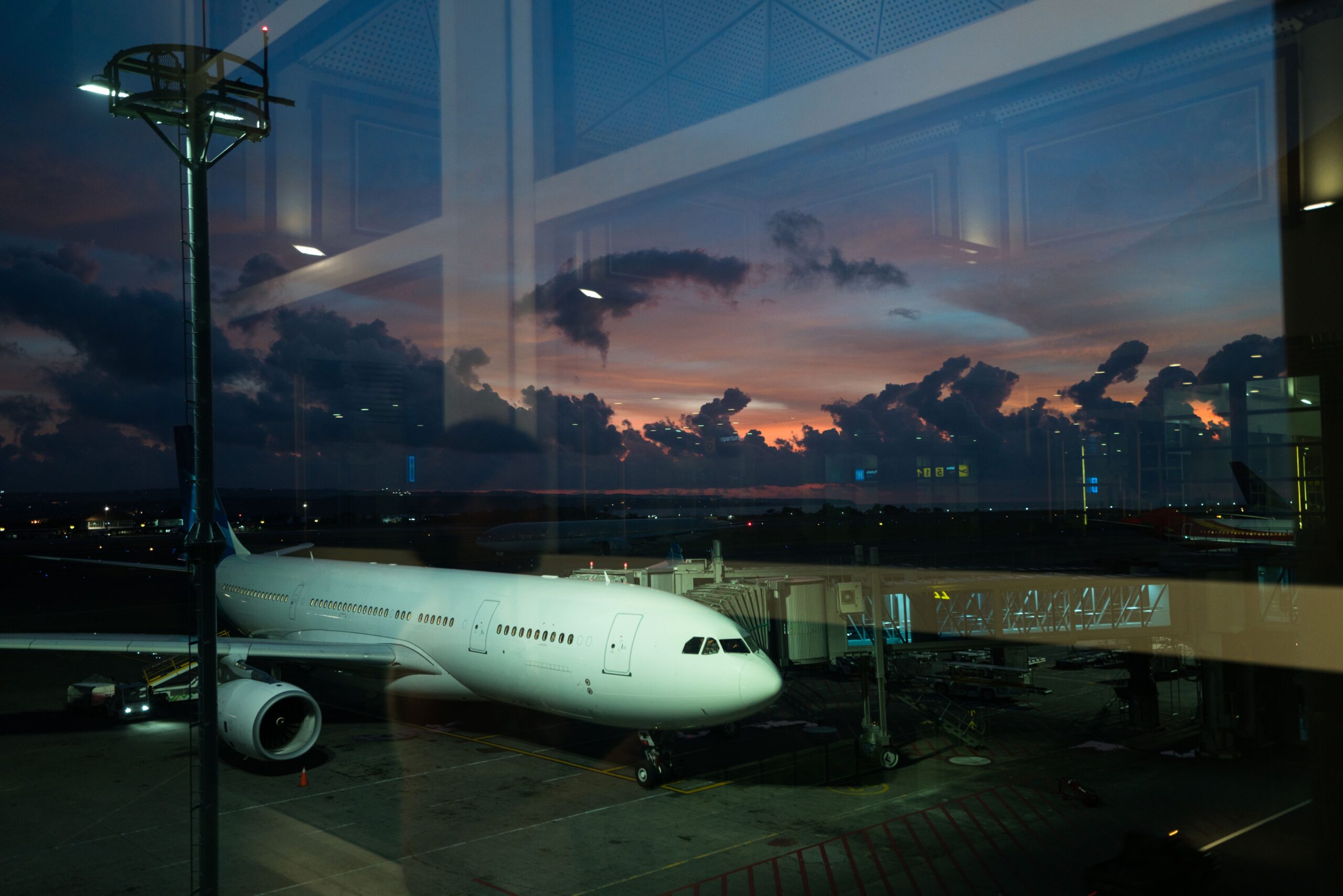
The logistical impact of the national walkout was immediate and severe. Approximately 140 flights were cancelled at Brussels Airport after employees of ground handler Alyzia joined the strike. Brussels Airlines cut roughly 40% of its Friday schedule, while its parent company, Lufthansa Group, had already preemptively scrapped certain departures earlier in the week. Transit networks across the capital and Flanders were also severely curtailed, with the STIB/MIVB operator reporting disruptions and the Flemish transit company De Lijn filing consecutive strike notices for Friday and the upcoming Monday action.
De Wever, a Flemish nationalist who took office in February, faces a complex challenge. His N-VA party has long advocated for a gradual constitutional path to Flemish independence, often described as a “velvet divorce,” which requires holding the federal state together until it can be dismantled. This mission was tested during the eight-month period without a functioning government, where De Wever engaged in extensive coalition building with parties that are committed Belgianists, loyal to the constitutional monarchy. He notably rejected an alliance with the far-right Vlaams Belang, which advocates for a more immediate separation and promotes a narrower, nativist view of Flemish identity.
Now, De Wever warns that the prolonged uncertainty is damaging the country’s image and finances. He has threatened to resign if the coalition becomes “incapable of making decisions,” a statement that underscores the fragility of his majority. As he prepares to address the Belgian parliament on Tuesday, the government must navigate the tension between its fiscal obligations to European institutions and the growing domestic opposition. The coming days will determine whether the coalition can secure its budget agreement or if the social unrest will force a fundamental reevaluation of its austerity agenda.