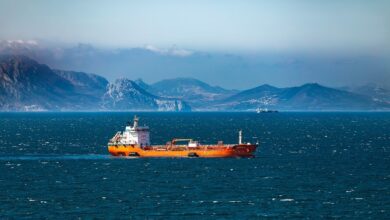
The agreement, which covers the supply of between 300,000 and 3 million metric tons of diesel to U.S. and global markets, has drawn sharp rebuke from NATO allies. Finnish Prime Minister Petteri Orpo described the decision as “a huge disappointment,” stating that Washington is effectively “putting money into Putin’s military budget” while simultaneously maintaining other sanctions. Orpo questioned the economic rationale of the deal, noting that the agreed volume represents only a small fraction of U.S. consumption and may not significantly impact global fuel prices. He speculated that the move could be linked to domestic electoral pressures within the United States.
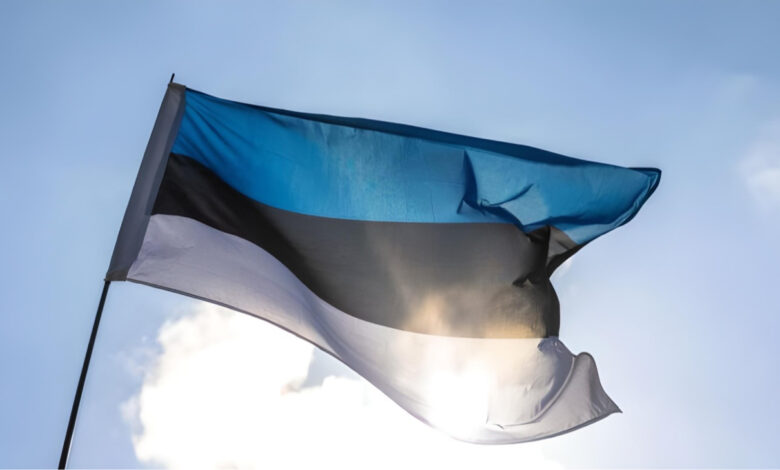
Estonian Prime Minister Kristen Michal labeled the decision a “great error,” arguing that it contradicts long-term Western efforts to restrict energy revenues flowing to the Kremlin. “Deals with dictators are the road to hell,” Michal wrote on social media. He highlighted that funds generated from gas and fuel sales are used to finance military operations, and he urged the European Council to discuss increasing support for Ukraine to target Russian oil refineries.
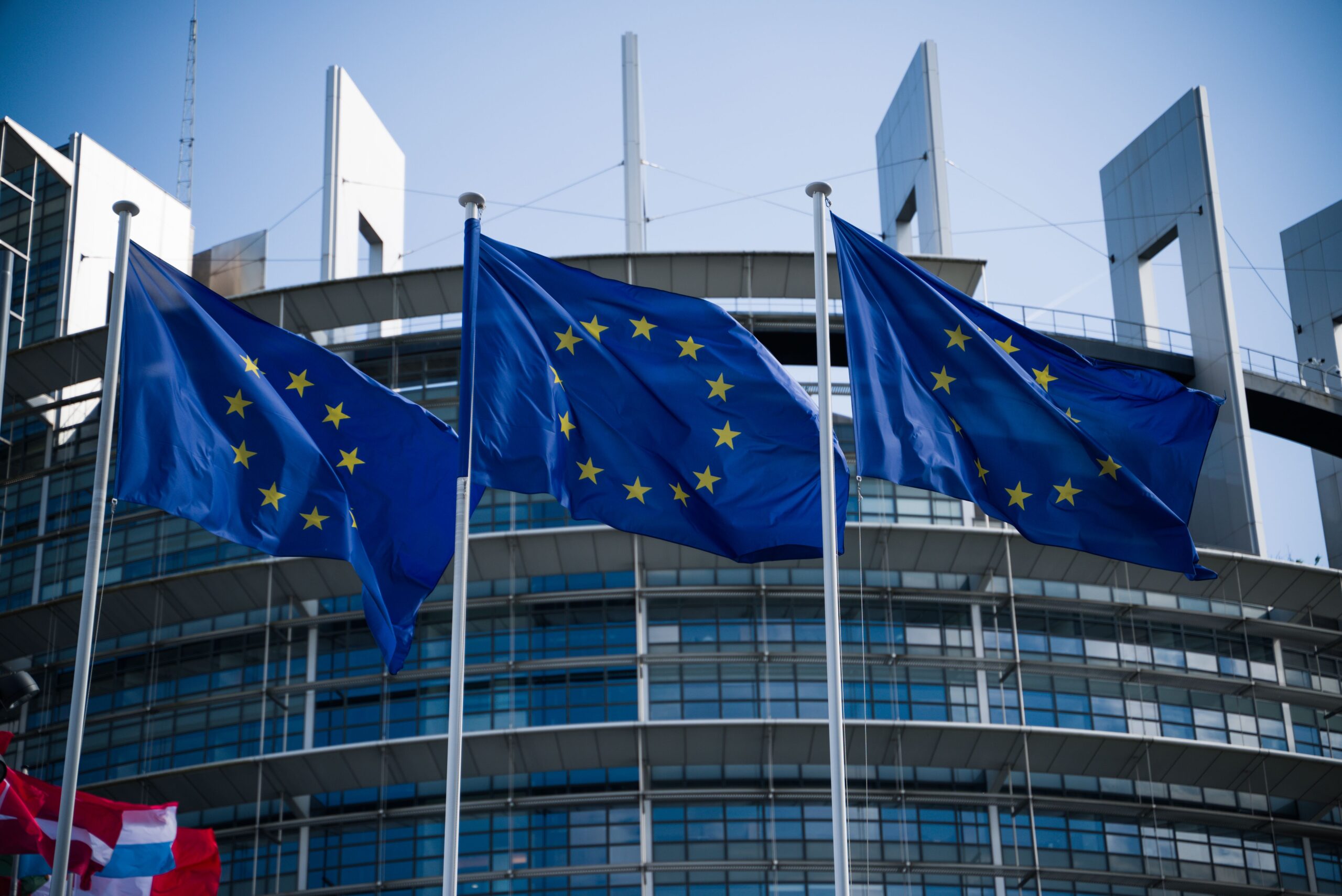
Kaja Kallas, the EU’s High Representative for Foreign Affairs and Security Policy, affirmed that Europe will not reduce pressure on Russia. She reminded the public that more than 80 Ukrainian civilians were killed in Russian strikes over the preceding two days and noted that Russia has intensified hybrid attacks against both EU member states and NATO allies. “Suspending sanctions on Russian diesel fuel gives Moscow additional income to wage war. Now is not the time to ease pressure on Russia, and Europe will not do that,” Kallas said.
Germany also reaffirmed its commitment to sanctions, with the government confirming that Russian diesel will not enter the German market. Berlin stated that its support for Ukraine remains unchanged, despite the U.S. policy shift. The disagreement highlights a divergence in approach between Washington and its European partners regarding the economic tools available to counter Russian military capacity.
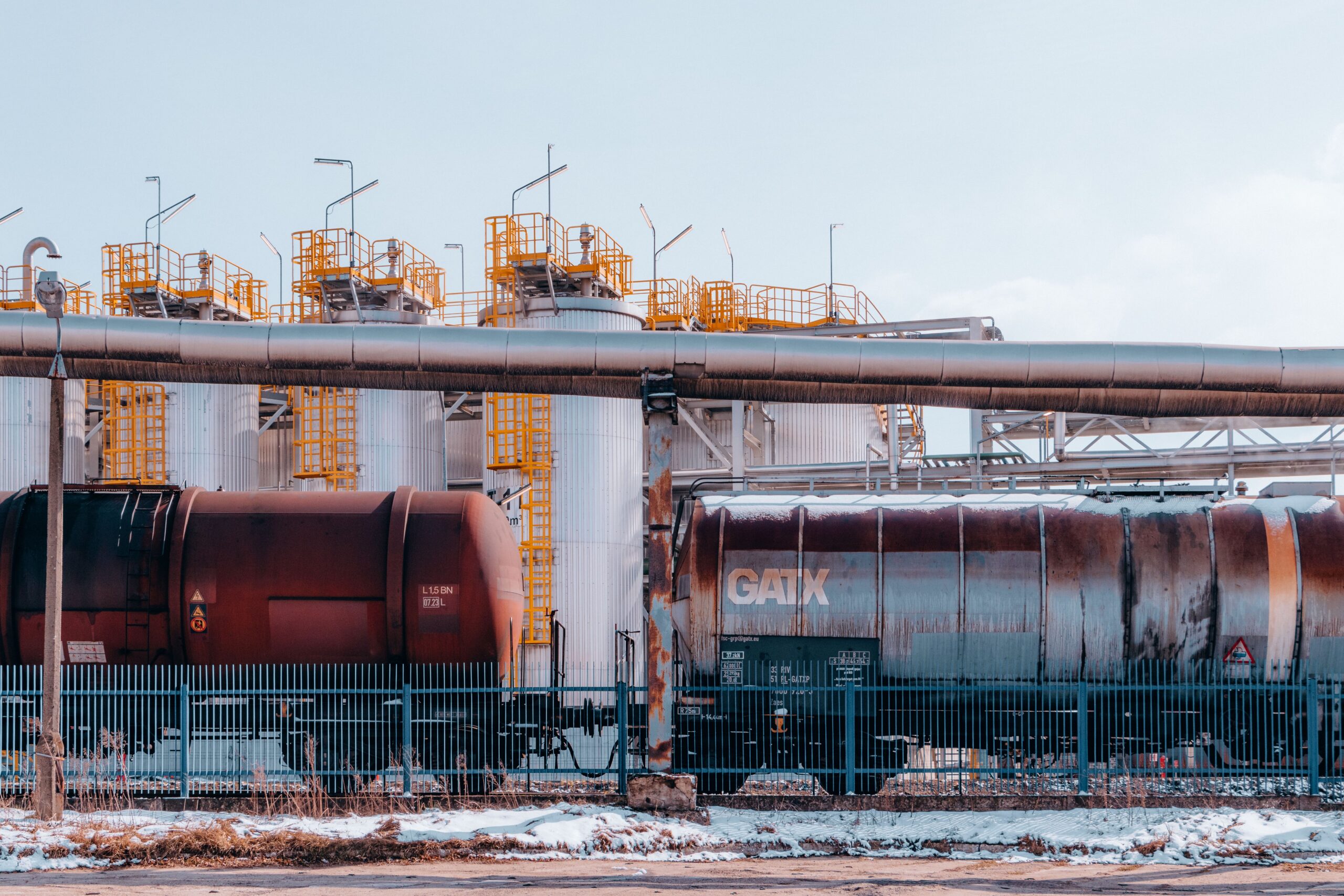
The diplomatic friction comes as EU foreign ministers prepare to approve what is described as the largest sanctions package against Russia’s military-industrial complex since the start of the war. The meeting, scheduled for Monday, is expected to focus on further restricting Moscow’s ability to fund its defense sector. Meanwhile, Finnish Prime Minister Orpo has separately called on European nations to stop issuing tourist visas to Russian citizens, citing concerns over potential sabotage operations on European territory.
The U.S. Treasury’s license allows for the import of Russian diesel through early 2027, while the Kremlin has lifted its own ban on diesel exports ahead of schedule. This ban had been introduced in July 2026 in response to intensified Ukrainian strikes on Russian oil refineries. As European leaders debate the implications of the U.S. pivot, the next major test of transatlantic cohesion will be the outcome of the upcoming European Council meeting and the formal adoption of the new EU sanctions list.