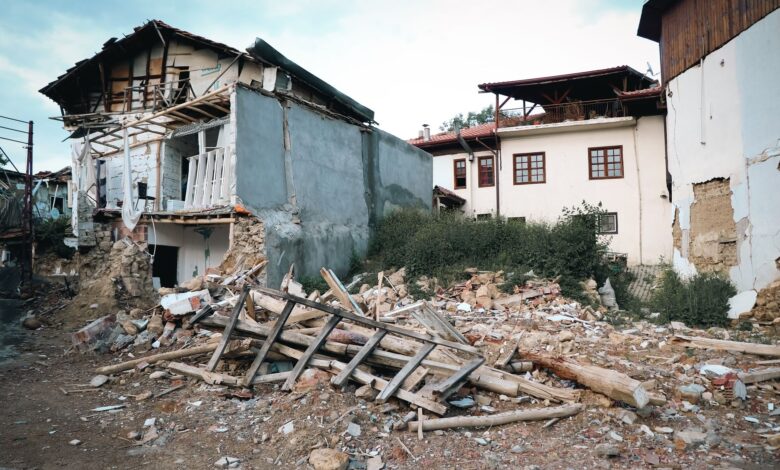
The primary magnitude of the quake, recorded at 7.7, places it in the category of major earthquakes capable of causing significant structural damage and widespread disruption. Following the initial rupture, a series of aftershocks were detected. These subsequent tremors, while typically smaller in magnitude than the main event, posed a persistent hazard to already destabilized infrastructure and communities. The recurrence of these aftershocks necessitated sustained vigilance from emergency services and residents alike, preventing any immediate sense of relief for those in affected areas.
One of the most critical immediate consequences of the earthquake was the generation of a tsunami threat. Seismic activity of this scale, particularly when occurring near or under oceanic regions, can displace vast volumes of water, creating waves that pose severe risks to coastal zones. The declaration of a state of emergency in Panama reflects the seriousness with which authorities viewed this dual threat of seismic and maritime danger. The state of emergency framework allows for the mobilization of national guard forces, the redirection of financial resources, and the implementation of strict protocols for evacuation and shelter management, ensuring that the state can respond effectively to the fluid and potentially escalating nature of the crisis.
Seismic Impact and Regional Vulnerability
Panama, situated at the intersection of the North American and Caribbean tectonic plates, is inherently susceptible to seismic activity. The magnitude 7.7 event is a stark reminder of the geological forces at play in the region. While the immediate focus is on the tsunami threat and structural integrity, the broader environmental and physical impact includes the potential for landslides, ground liquefaction, and damage to critical infrastructure such as roads, bridges, and communication lines. The aftershocks complicate these risks, as repeated shaking can further weaken damaged structures and trigger secondary geological hazards.
The declaration of a state of emergency signifies that the situation exceeds the capacity of local or routine emergency management. It is a legal and administrative tool that enables the central government to coordinate a unified national response. This includes the potential for mandatory evacuations from coastal areas, the establishment of emergency shelters, and the deployment of medical and rescue teams. The presence of a tsunami threat adds a layer of urgency, as the time window between the earthquake and the arrival of potentially destructive waves can be short, requiring immediate action by authorities and the public.
As the immediate shock of the magnitude 7.7 earthquake subsides, attention turns to the duration and intensity of the aftershock sequence. Seismologists monitor these tremors closely, as they provide data on the stress redistribution within the Earth’s crust following the main rupture. For the communities of Panama, the next phase involves navigating the uncertainty of ongoing seismic activity while adhering to safety guidelines issued by national authorities. The state of emergency remains in effect until the immediate threats have been mitigated and the stability of the infrastructure and population can be assured.
The event underscores the critical importance of disaster preparedness and early warning systems in seismically active regions. The rapid declaration of a state of emergency in response to the magnitude 7.7 earthquake and the associated tsunami threat demonstrates the operational readiness of the Panamanian government. However, the long-term environmental and physical recovery will depend on the scale of damage incurred and the effectiveness of the ongoing response efforts. As aftershocks continue to rattle communities, the focus remains on safeguarding lives and managing the complex interplay of seismic and maritime hazards.