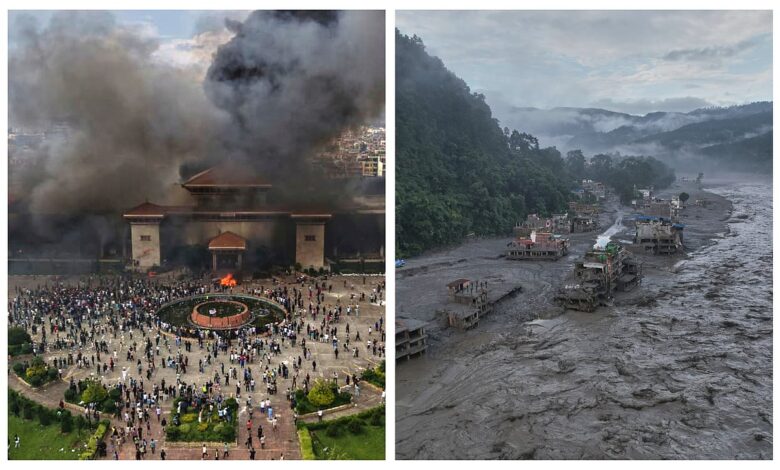
The floods have destroyed roughly 7,500 homes, damaged another 20,000 structures that require rebuilding, and impaired at least 12 hydropower projects. “It is a wasteland out there. The rebuilding is not going to be easy,” said Sumnima Udas, a Member of Parliament and chairperson of the committee on international relations and tourism. The disaster highlights the limits of Nepal’s emergency response infrastructure, with blocked roads, debris-filled tunnels, and shortages of specialized equipment hampering rescue and relief efforts in remote areas.
This environmental crisis overlays a deepening political fracture. The current administration emerged from the “Gen Z movement,” a youth-led uprising that began in September 2025 in response to a nationwide ban on 26 major social media platforms. The protests, which initially targeted digital restrictions and long-standing corruption, escalated into violence after security forces killed dozens of demonstrators, including a 12-year-old child. The unrest resulted in the resignation of former Prime Minister K.P. Sharma Oli and the appointment of an interim government, culminating in Shah’s party securing a sweeping electoral victory in March.
However, the political landscape remains volatile. President Ramchandra Paudel has suspended Parliament, and Home Minister Sudan Gurung has resigned amid a probe into his financial conduct. These developments mark a significant shift in the post-uprising political order, raising questions about the stability of the reformist government. While Shah’s administration has mobilized the army, police, and medical teams for flood relief, many of its leaders are new to national governance, leaving the state with limited experience in managing a crisis of this magnitude.
Provincial Fragmentation and Constitutional Concerns
The political turmoil extends beyond the federal center to the provincial level, where the previously dominant coalition between the Nepali Congress and the Communist Party of Nepal (Unified Marxist-Leninist) (CPN-UML) is collapsing. In several provinces, this coalition has already broken down, while others remain in a state of uncertainty, awaiting instructions from the center. The instability has prompted debates regarding the future of Nepal’s federal structure, established under the 2015 Constitution.
Political leaders and civil society figures have criticized the maneuvering by traditional parties as an “extreme example of lust for power.” Parmeshwor Sah, a leader of the Nepali Congress in Madhesh Province, argued that the current instability stems from the lack of clear majorities in provincial assemblies. “Madhesh has made great sacrifices to bring federalism; it cannot be abolished just because a particular party brings an agenda to abolish it,” Sah stated, pushing back against proposals by the Rastriya Swatantra Party (RSP) to dissolve the Provincial Assemblies.
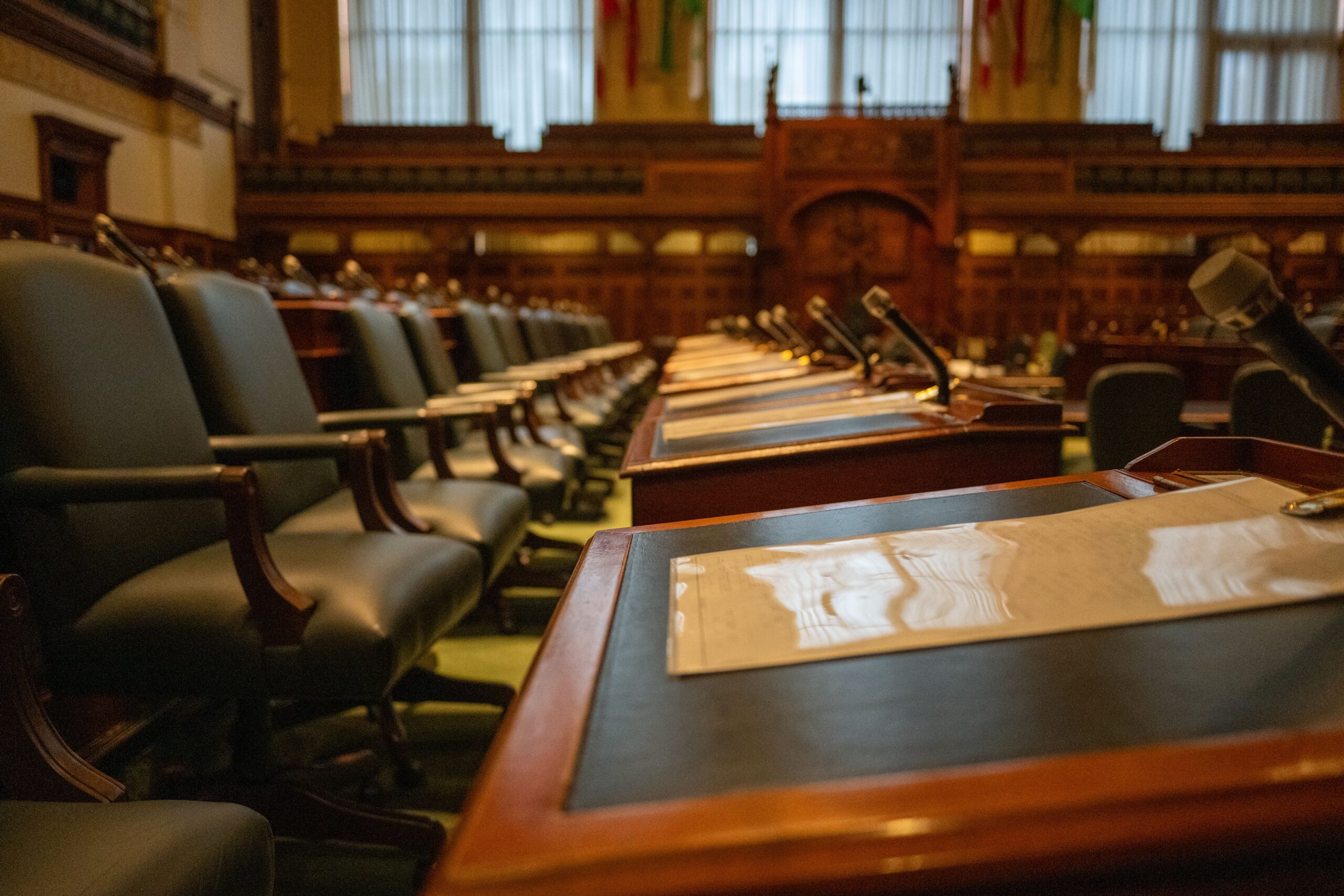
Bal Kishor Yadav, Chairman of the Janata Samajwadi Party in Madhesh Province, emphasized that the vacuum left by the collapsing coalitions cannot be tolerated. “One should not ‘adventure’ in politics,” Yadav said, noting that the public has grown further disappointed by the old parties’ inability to provide stable governance. Surendra Rai, a central member of the Nepali Communist Party, attributed the country’s descent into chaos to the self-interest of established political entities, asserting that Prime Minister Shah must now work strictly according to the mandate given by the people.
As the country navigates the immediate challenges of flood reconstruction and the suspension of legislative bodies, the focus turns to the unresolved questions of constitutional reform. The Gen Z movement has prompted a review of the 2015 Constitution, with calls for an amendment recommendation commission to address structural flaws in representation and accountability. The next critical steps will involve determining the timeline for local and possibly provincial elections, which were originally scheduled for the lunar month of Baishakh, and clarifying the procedural path for restoring full parliamentary functions.