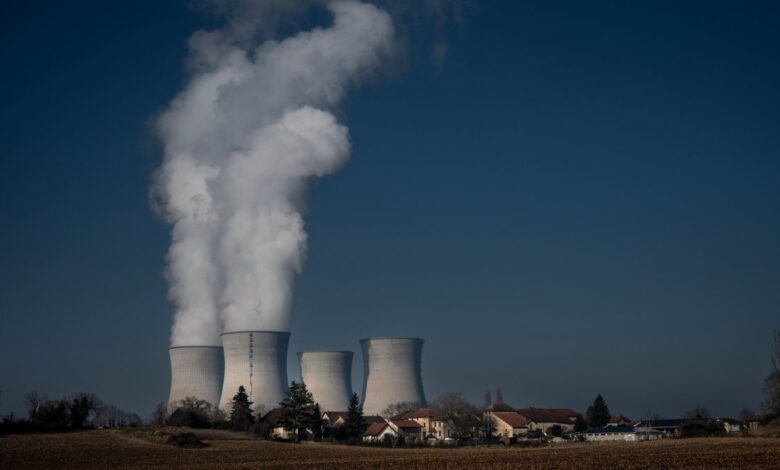
The core issue lies in the fundamental operation of nuclear cooling. Reactors generate heat that must be dissipated, typically by drawing water from a nearby river and returning it after it has been warmed by a few degrees. French law imposes strict environmental thresholds to ensure this discharged water does not harm fish and other wildlife. At Nogent, regulations stipulate that the Seine’s temperature must not rise by more than 3°C downstream of the plant and must remain below an average of 28°C. Similarly, at the Golfech plant in the southwest, the Garonne River cannot exceed 28°C after cooling water discharge. When ambient river temperatures spike due to heatwaves, the legal ceiling for additional warming is reached, effectively capping how much electricity the reactor can produce without violating environmental statutes.
The impact on the national grid was measurable but manageable. At its peak, output from affected reactors was reduced by 4.1 gigawatts, representing approximately 7% of France’s total power demand. This curtailment involved multiple sites across the country. Following the initial closures at Nogent and Bugey in late June, further restrictions were imposed as drought conditions reduced water flows in the Meuse and Moselle rivers. By early July, three additional reactors were taken offline: two at the Chooz plant in the northeastern Ardennes region and one at Cattenom in Moselle. The Chooz shutdowns were specifically tied to a 1998 Franco-Belgian agreement governing the Meuse River, which allows for production adjustments to maintain sufficient water flows for users in both nations. EDF also reduced or planned to reduce output at four other reactors, including units at Bugey, Tricastin, and Saint-Alban.
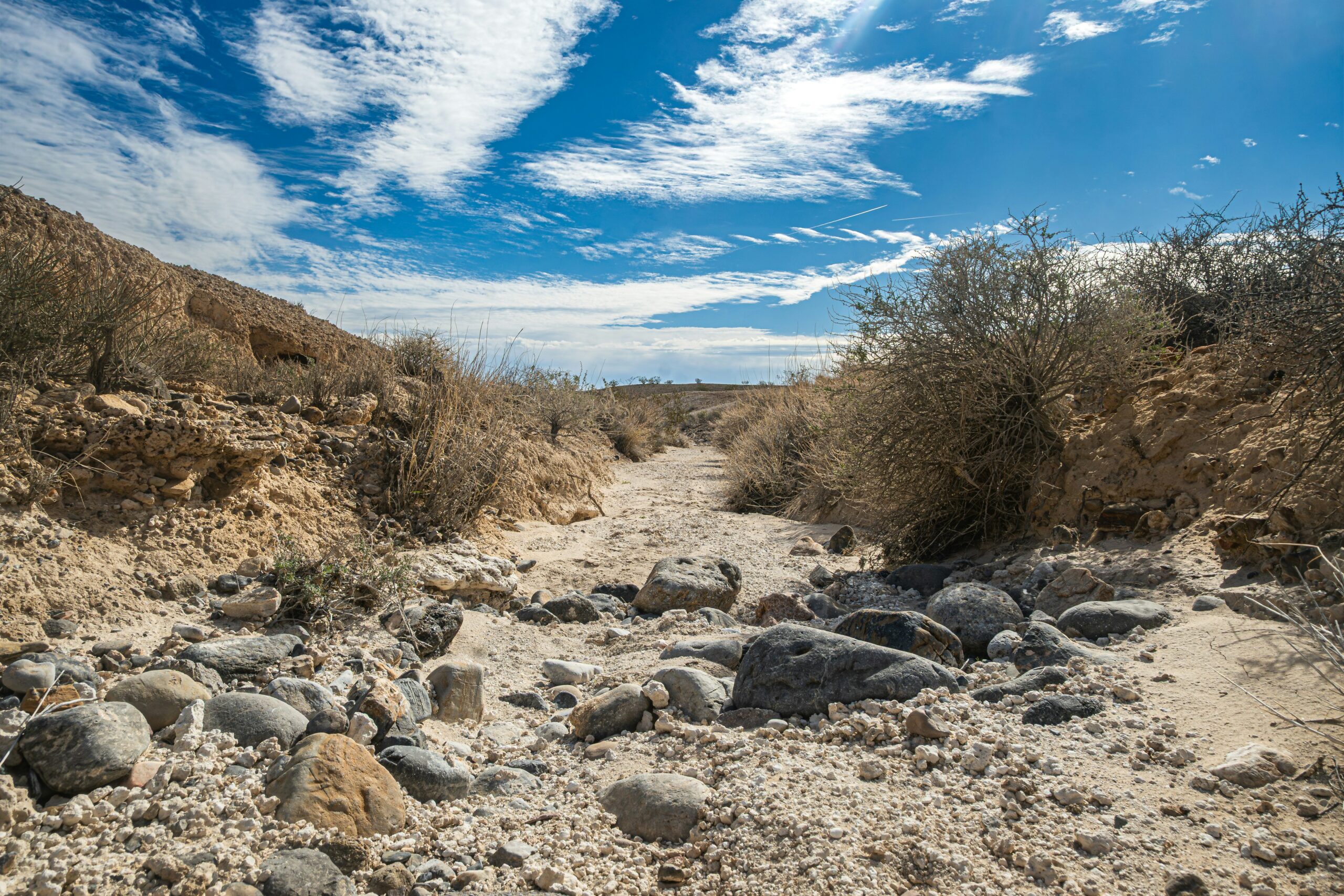
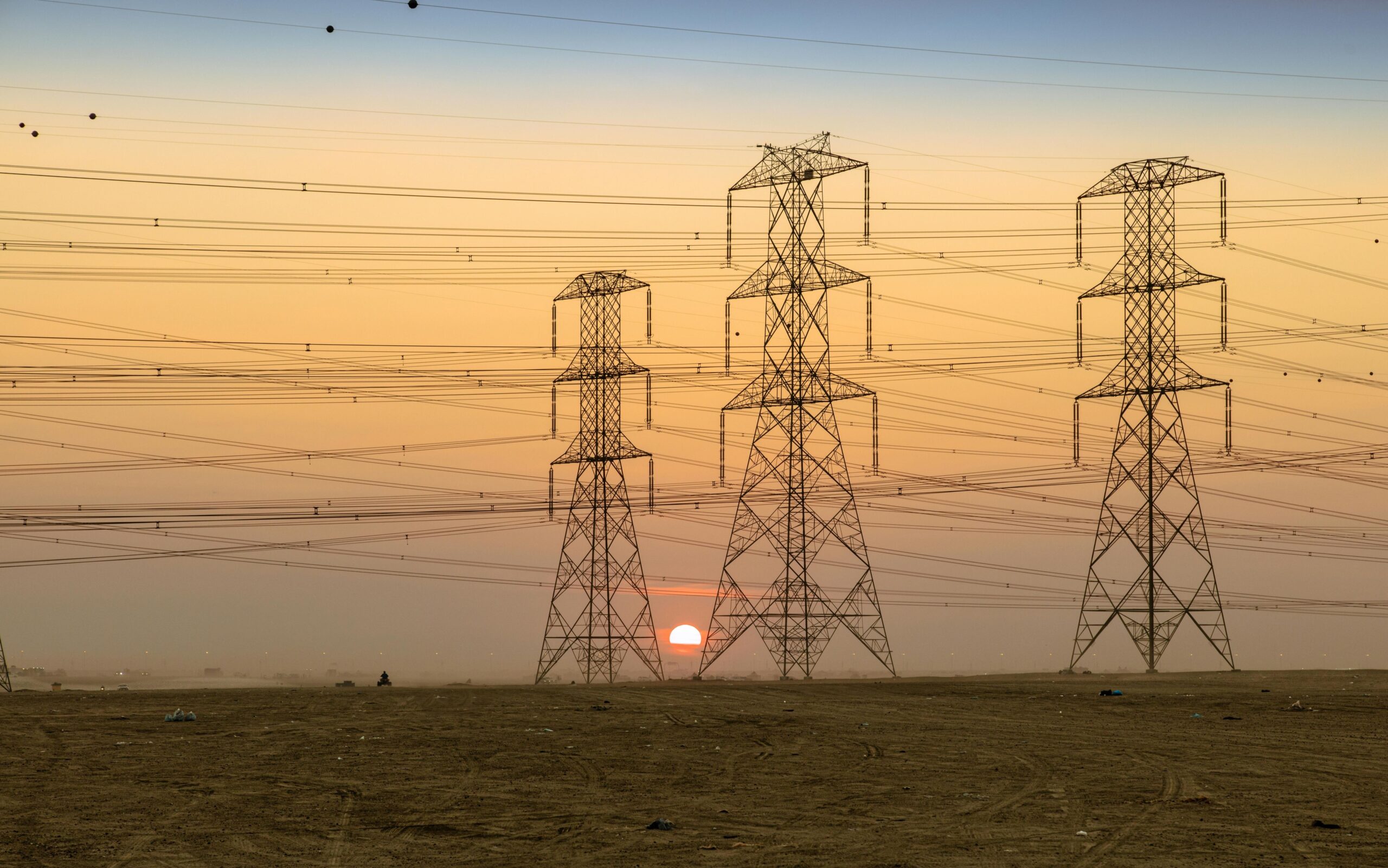
Despite these reductions, the reliability of France’s electricity supply held firm. The grid operator, RTE, stated that the country retained “sufficient generation capacity to meet electricity demand” even with several reactors offline. France’s 57 nuclear reactors generate approximately 70% of the country’s electricity, meaning that even with a significant fraction of capacity constrained, the vast majority of the fleet remained in operation. The situation illustrated that the constraint was regulatory and environmental rather than technical; the reactors themselves were capable of generating more power, but were legally restricted from doing so to preserve river health.
Market responses were evident but temporary. Electricity prices rose, and exports to neighboring countries fell as domestic demand was prioritized. The grid also relied more heavily on gas and oil-fired reserve generation to fill the gap left by the reduced nuclear output. However, these shifts did not lead to supply disruptions or blackouts. The episode highlights a broader dynamic in European energy systems: heatwaves often place simultaneous pressure on multiple generation sources. The same stagnant, high-pressure air that warmed the rivers also weakened wind generation across France. In such conditions, while renewable output may dip and solar efficiency can be trimmed by high temperatures, firm low-carbon generation like nuclear remains available, providing a stable baseline.
Historical context suggests that such heat-related curtailments, while disruptive in the short term, have become less severe over time. Data indicates that heat and drought-related losses to annual nuclear output in France have remained below 1% in most years, with the worst-case scenario reaching only about 1.3%. Furthermore, adaptation measures have proven effective; heat-related curtailment losses have fallen by roughly 90% since 2003. This decline is attributed to utilities upgrading cooling systems, refining operating practices, and strategically timing maintenance shutdowns to avoid the hottest parts of the year.
For consumers and industries, the immediate effect was a reminder of the interplay between climate conditions and energy infrastructure. While the heatwave tested the limits of the nuclear fleet’s operational flexibility, it did not break the system. The temporary reliance on fossil fuel reserves and the slight uptick in prices served as a buffer, ensuring that lights stayed on and industrial processes continued. As climate patterns shift, the challenge for grid operators will be to further refine these environmental protections while maintaining the reliability of low-carbon generation. For now, the French nuclear fleet has demonstrated that it can navigate extreme heat without compromising the stability of the national grid.