The sharp increase in retail prices follows two rounds of adjustments in March, where major retailers like Petrolimex raised gasoline prices to nearly VND27,000–28,000 per liter depending on the grade and region. This price escalation is not isolated to domestic policy but is deeply tethered to global macroeconomic forces. Benchmark Brent crude oil climbed to approximately $92.69 per barrel following escalating tensions involving the United States, Israel, and Iran. In just over a week, international prices rose by more than $20 per barrel, a surge driven by fears that prolonged conflict in the Middle East could disrupt global oil supplies. These global shocks, compounded by ongoing military conflict between Russia and Ukraine and fluctuations in U.S. crude inventories, have created a precarious environment for Vietnam’s energy sector.
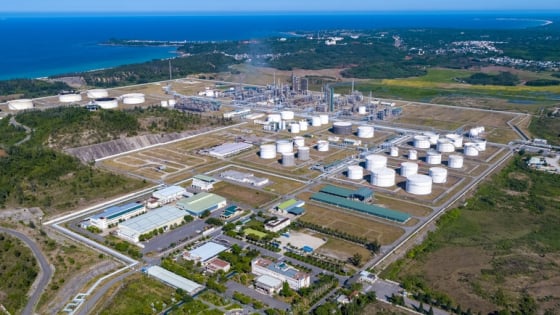
Domestic infrastructure realities have exacerbated the impact of these global price swings. Data indicates that inventories at Vietnam’s major fuel producers and distributors have declined significantly, reaching multi-year lows. At Binh Son Refining and Petrochemical JSC, which operates the Dung Quat refinery in Quang Ngai province, inventories stood at nearly VND12.64 trillion at the end of 2025, a drop of nearly VND3.26 trillion from the start of the year. This represents the company’s lowest inventory level since 2021, a stark contrast to the roughly VND15.5–16.8 trillion held during the 2022–2024 period. Similarly, Petrolimex, the country’s largest fuel retailer, saw inventories fall from nearly VND15.75 trillion to VND14.15 trillion, while PVOIL’s stockpiles dropped from VND3.54 trillion to nearly VND2.8 trillion.
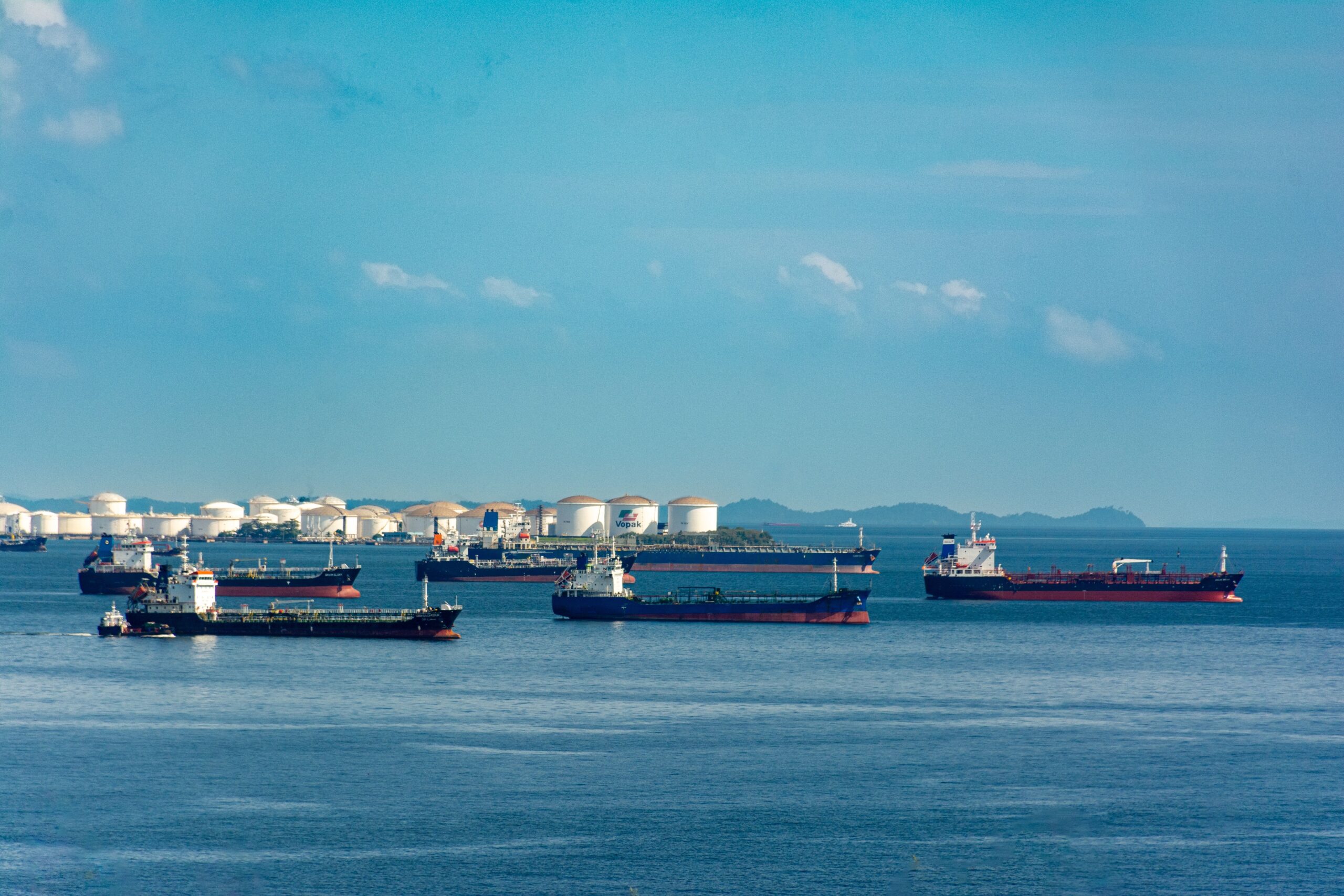
This depletion of strategic reserves has heightened concerns regarding supply security. While Vietnamese oil refineries at Nghi Son and Binh Son are projected to supply enough gasoline for March due to existing inventories, the outlook for April and May remains contingent on the geopolitical situation in the Middle East. In response to these complexities, the Vietnamese government established a task force to monitor developments and coordinate among agencies to ensure adequate fuel supply for business activities and consumption. The group is tasked with proposing policy measures to the Prime Minister if necessary to safeguard energy security.
Amidst these supply constraints, Petrolimex is accelerating a strategic shift toward renewable alternatives. The company aims to fully replace mineral petrol with E10RON95 biofuel ahead of the national target set for June 1, following Circular No 50/2025/TT-BCT issued by the Ministry of Industry and Trade. Following a pilot programme launched on August 1, 2025, at 60 petrol stations in Ho Chi Minh City and central Quang Ngai Province, consumption of the biofuel has reached an average of 95 cubic meters per day, a 40 percent increase from the start of the trial. Notably, no customer complaints regarding fuel quality have been recorded to date.
The adoption of E10RON95 is expected to reduce Petrolimex’s monthly mineral fuel volume by nearly 10 percent, equivalent to 35,000–40,000 cubic meters. However, the transition faces logistical hurdles. The firm requires 45,000–50,000 cubic meters of ethanol per month, a demand that domestic production cannot fully meet. Consequently, Petrolimex has been negotiating import contracts with partners in the U.S., the Republic of Korea, and Singapore since early March. While this diversification aims to secure supply, rising global transport and fuel prices may increase the cost of importing ethanol. To promote wider adoption and manage costs, the company has proposed policy support including environmental tax reductions and stricter quality control measures.
For the average motorist, the immediate reality remains the higher cost at the pump. While the shift to biofuel offers a long-term pathway to reduce dependence on volatile mineral oil markets, the short-term financial burden persists. As the government task force continues to monitor the Middle East conflict and global inventory levels, the stability of Vietnam’s fuel supply chain remains a critical area of focus for both industry and consumers.