“Siguro kung magaling siya mag-explain sa mga tinuturo sa kanya, baka hindi na tayo nakarating sa impeachment court,” Castro said, which translates to, “Perhaps if she had been good at explaining the things being taught to her, we might not have reached the impeachment court.” Castro added that Duterte could have presented clear evidence showing that she had committed no wrongdoing. The Palace noted that it has yet to see concrete proof countering the specific accusations leveled against the Vice President.
The statement follows Duterte’s own remarks earlier on Tuesday, in which she accused the Marcos administration of orchestrating what she described as a smear campaign. “Administrasyon. Sino ang nasa likod ng paninira sa akin? Administrasyon. Ang Palasyo, si BBM,” Duterte said, identifying the administration, the Palace, and President Marcos (referred to as BBM) as the entities behind the alleged smear. She made these allegations while denying claims made by dismissed policeman Rodulfo Gracioso Jr., who alleged that he delivered suitcases containing cash to the Vice President.
Gracioso has also alleged delivering money to Davao City Representative Paolo Duterte and former President Rodrigo Duterte, reportedly on the instructions of former House Speaker Lord Allan Velasco. Duterte denied these specific allegations and stated that her camp would submit her affidavit to authorities on Thursday. She further claimed that a former aide had been offered money to testify about the alleged cash deliveries, describing Gracioso’s account as fabricated. Duterte characterized the impeachment cases as already failing and asserted that all evidence presented was fabricated.
It is important to distinguish between the allegations made by Gracioso and the formal legal proceedings currently underway. Gracioso’s claims are separate from the ongoing impeachment trial in the Senate, where prosecutors are presenting evidence against Duterte under four articles of impeachment. In a related development, Castro emphasized the role of financial documentation in the proceedings, stating, “Bank records do not lie,” suggesting that objective financial data will be central to the trial’s outcome.
Duterte’s spokesperson, Paolo Panelo, pushed back against Castro’s remarks, accusing the administration of engaging in “political persecution and political consolidation.” Panelo’s comments reflect the deepening political rift between the Vice President’s camp and the executive branch. The Palace, for its part, has previously maintained that the impeachment proceedings are strictly within the mandate of the Senate and that the executive branch should not interfere in the trial.
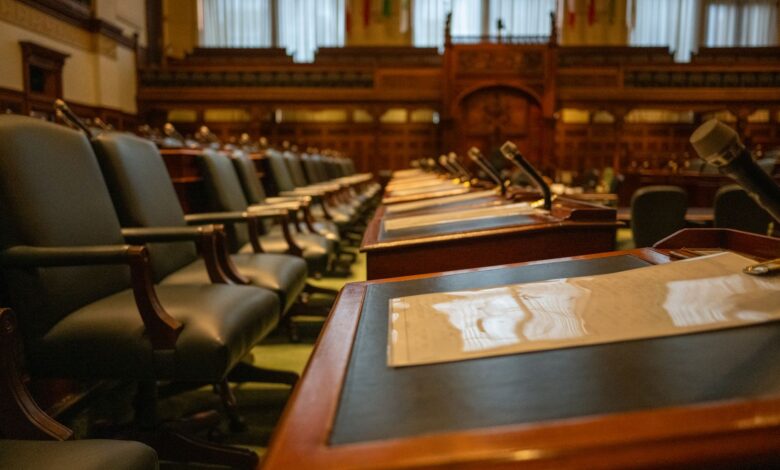
The impeachment process in the Philippines is a constitutional mechanism whereby the House of Representatives files articles of impeachment, which are then tried by the Senate. The current trial represents a significant test of institutional independence and political stability in the country. While the Palace argues that the Vice President had the opportunity to clear her name earlier through public explanation and evidence, Duterte’s team contends that the proceedings are politically motivated.
As the trial continues, the focus remains on the presentation of evidence, including financial records and witness testimonies. The Senate will evaluate the credibility of the claims made by both the prosecution and the defense. The next phase of the trial will involve the continued examination of evidence and potential witness testimonies, with the final vote on the articles of impeachment to determine whether Duterte is removed from office or acquitted.
The situation highlights the complex dynamics between the executive and legislative branches, as well as the personal and political alliances that influence high-level governance in the Philippines. The outcome of the trial is expected to have significant implications for the balance of power in the administration and the broader political landscape.