This development occurs against the backdrop of a contested claim by Tunku Nadzaruddin Tuanku Ja’afar, who was proclaimed the new Yang di-Pertuan Besar by a group of disputed territorial chieftains, known as undangs. Despite repeated efforts by Tunku Nadzaruddin, facilitated through various other rulers and Negeri Sembilan Menteri Besar Ismail Lasim, to secure an invitation in place of Tuanku Muhriz, the request was denied. The exclusion of the challenger from the Council of Rulers, the highest constitutional body for Malaysia’s nine royal houses, underscores the institutional weight currently backing Tuanku Muhriz’s claim to the throne.
Strategic Participation and Institutional Alignment
While the invitation marks a victory for Tuanku Muhriz’s standing, his participation is expected to be limited. He has informed Sultan Nazrin that he will attend only the pre-council meeting on October 13, a session that the Yang di-Pertuan Agong, Sultan Ibrahim Sultan Iskandar, does not typically attend. This specific scheduling choice allows Tuanku Muhriz to engage with the other rulers without the presence of the King, potentially allowing for more direct discussions on the matters at hand.
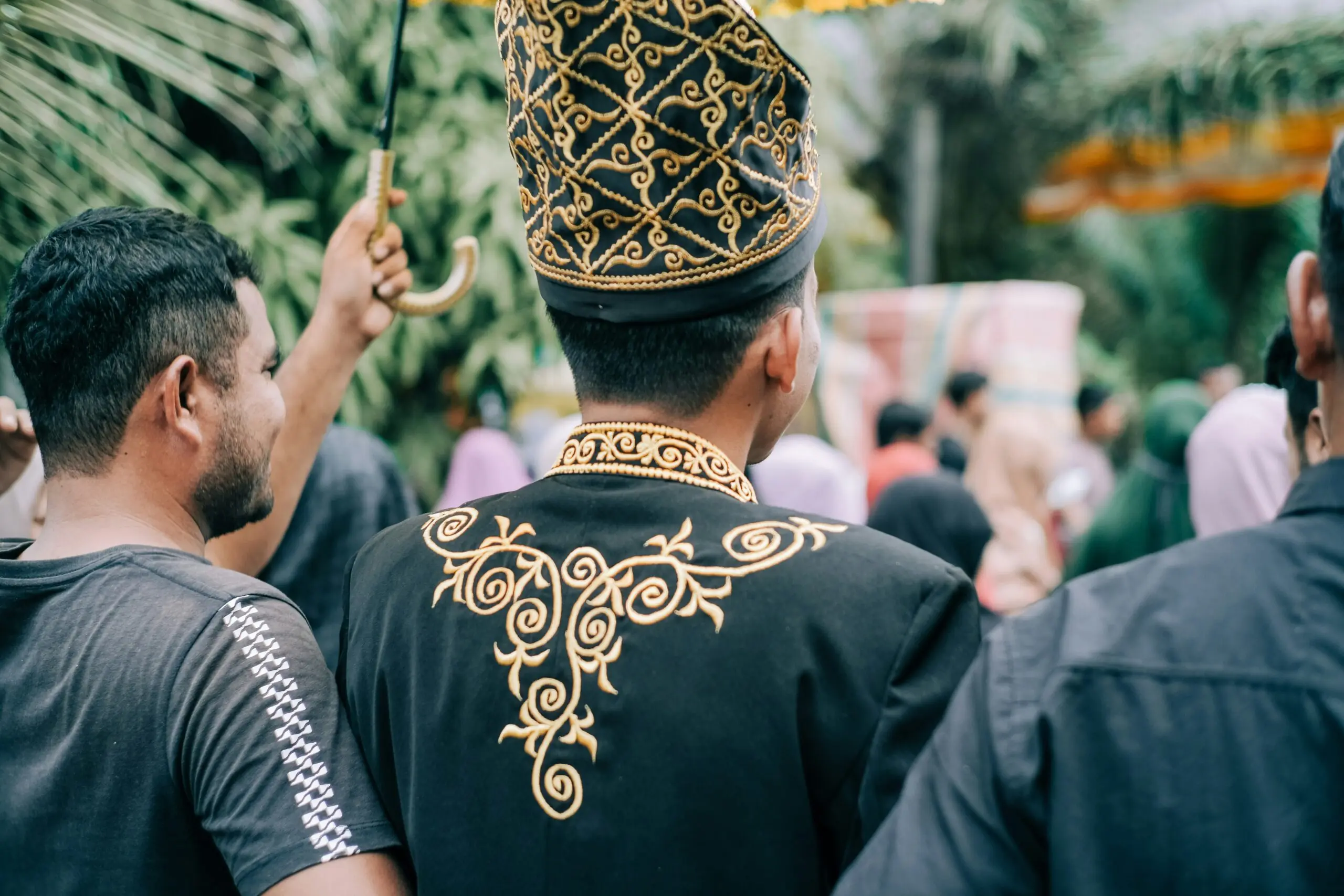
Concurrently, Tuanku Muhriz is expected to preside over the appointment of a new chieftain for the Jelebu district on October 14. This procedural step is politically significant within the mechanics of Negeri Sembilan’s monarchy. Under the state’s constitutional framework, the ruler is selected from among the four undangs, or territorial chieftains. The appointment of the new Jelebu chieftain is expected to result in three of the four undangs being regarded as aligned with Tuanku Muhriz. This shift in the balance of the chieftaincy council strengthens his position relative to the faction supporting Tunku Nadzaruddin, further complicating the challenger’s bid for the throne.
Political Tensions and Allegations of Adversarial Dynamics
The friction surrounding the succession dispute is not limited to constitutional maneuvering but extends into broader political and judicial domains. Tensions have been attributed to Tuanku Muhriz’s public stance against corruption and the abuse of power, particularly regarding judicial appointments. This position has reportedly earned him opposition from powerful figures within the elite who may benefit from the current status quo. The dispute thus reflects a deeper conflict between institutional integrity and entrenched interests, where the royal succession becomes a proxy for broader struggles over governance and accountability.
The role of the Conference of Rulers in this context is pivotal. As the body that deliberates on matters of national importance and the protection of royal interests, its engagement with Tuanku Muhriz signals a level of recognition that is difficult to ignore in a constitutional monarchy. The fact that the invitation was issued by Sultan Nazrin Shah, the current chair of the council, adds weight to the validation, as the chairperson is responsible for setting the agenda and managing the conduct of the conference.
For the public and political observers, the outcome of these meetings may set a precedent for how succession disputes in Malaysia’s monarchies are resolved. The alignment of the Jelebu chieftaincy with Tuanku Muhriz suggests that the institutional pillars of the state are coalescing around his leadership. However, the dispute remains unresolved, with Tunku Nadzaruddin’s supporters likely to continue their efforts to legitimize their claim through other political or legal channels.
As Tuanku Muhriz prepares for the pre-council meeting, the focus remains on how the other eight rulers will engage with the Negeri Sembilan situation. The next political development will likely hinge on the outcomes of the Jelebu appointment and any subsequent statements from the Conference of Rurers that might further clarify the standing of the two claimants. The episode reinforces the complex interplay between tradition, law, and political power in Malaysia’s federal structure.