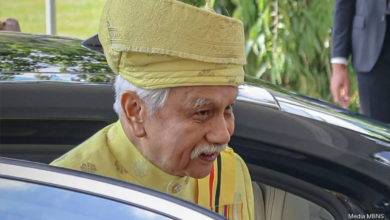
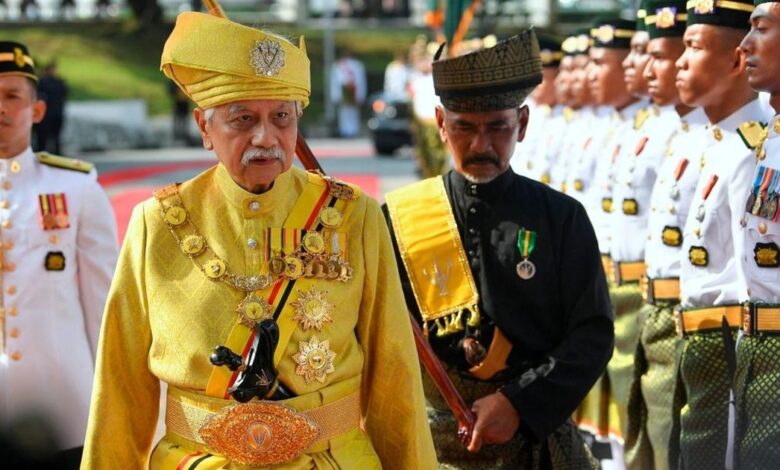
The absence of the Negeri Sembilan ruler has drawn attention to the complex political and constitutional landscape currently unfolding in the state. The Conference of Rulers, chaired by the Sultan of Perak, Sultan Nazrin Shah, serves as the highest decision-making body for matters concerning the Malay rulers. Although the palace noted that no formal letter or royal invitation was extended to Tuanku Muhriz for the pre-council meeting, his decision to stay behind highlights the persistent friction surrounding the royal succession in Negeri Sembilan.
The current dispute stems from events in April, when the four territorial chieftains, known as the Undang, dismissed Tuanku Muhriz from the throne. Despite this action, both the state and federal governments have continued to recognize Tuanku Muhriz as the legitimate Yang di-Pertuan Besar. The rivalry involves Tunku Nadzaruddin Tuanku Ja’afar, who claims the throne and has sought to secure an invitation to the Conference of Rulers through various rulers and the Menteri Besar, Ismail Lasim. However, reports indicate that Tunku Nadzaruddin was not invited to the meeting, a position reinforced by the fact that the conference proceeds with Tuanku Muhriz recognized as the incumbent, even if he is physically absent.
Political Repercussions and Institutional Tension
The throne dispute has had significant political ramifications, most notably the dissolution of the state legislature on June 5. This action, taken by Tuanku Muhriz, paved the way for snap state polls scheduled for August 1. The dissolution followed a sharp political rift in which UMNO withdrew its support for Negeri Sembilan Chief Minister Aminuddin Harun. UMNO alleged that Harun, a member of the Pakatan Harapan (PH) coalition, had interfered in royal affairs by publicly declaring that Tuanku Muhriz remained the state’s ruler.
This political maneuvering places the upcoming state election at the center of a broader national struggle. The results in Negeri Sembilan are viewed as crucial for the Pakatan Harapan coalition, which has faced recent electoral setbacks. PH performed poorly in the November state election in Sabah, winning only one seat, and faces an expected victory for the UMNO-led Barisan Nasional in the Johor polls scheduled for July 11. A failure to secure a strong showing in Negeri Sembilan could jeopardize the leadership of Prime Minister Anwar Ibrahim and potentially accelerate the timeline for national elections, which are currently due by February 2028.
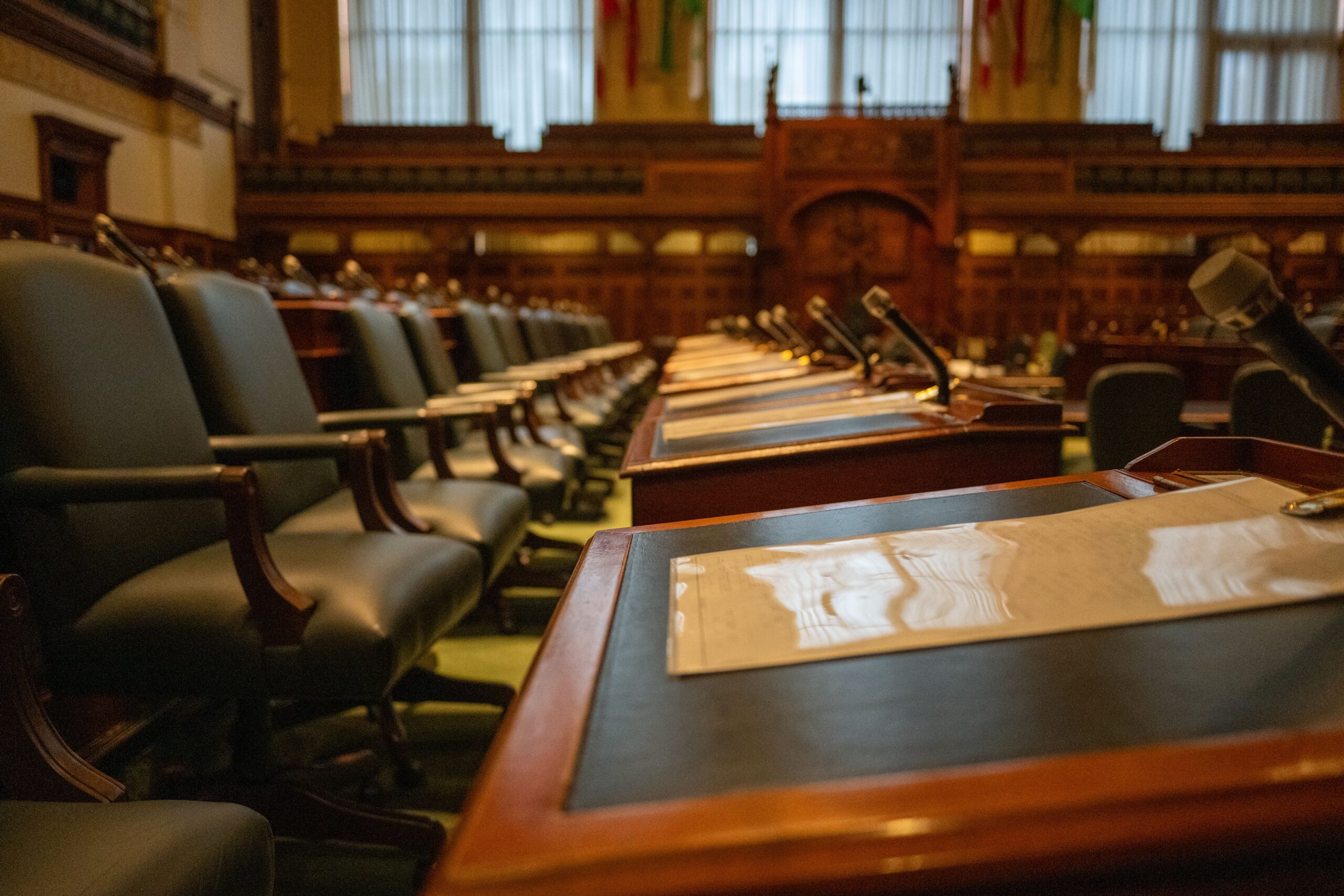
The decision to postpone or alter the agenda of the Conference of Rulers in the past has been rare. The last such postponement occurred during the 2021 lockdowns due to the pandemic. The current situation, where the conference continues but the Negeri Sembilan ruler is absent, signals a high level of concern among the other nine monarchs regarding the stability of the Negeri Sembilan succession. The Conference of Rulers is tasked with resolving disputes between rulers and managing the rotation of the King of Malaysia, making the clarity of who holds the throne in each state a matter of federal constitutional importance.
Datuk Azizi Mohamad Ali, the Comptroller of the Royal Household of Istana Negeri Sembilan, emphasized that the palace had not issued any prior media statements on this matter to any party or organization. He reiterated that Tuanku Muhriz’s decision was a personal choice to prioritize the proclamation ceremony for the Undang of Jelebu. The distinction between the two claimants remains unresolved in the public eye, with the official government stance continuing to support Tuanku Muhriz, while the rival claimant maintains his challenge through political channels.
As the Conference of Rulers convenes in Kuala Lumpur, the focus will remain on other national matters, but the shadow of the Negeri Sembilan dispute looms large. The outcome of the August state election will likely serve as the next major test for both the legitimacy of the current ruler and the political viability of the Pakatan Harapan coalition. Until then, the constitutional ambiguity in the state persists, with the royal family and political leaders navigating a delicate balance between tradition, law, and electoral politics.