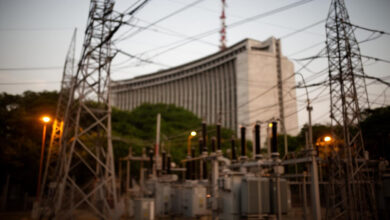
The incident has placed an acute strain on the National Grid Corporation of the Philippines (NGCP), which reported that several transmission lines in southwestern Mindanao were affected by the quake. While NGCP states that transmission has been largely restored, repairs in South Cotabato remain underway. This localized damage occurs against a backdrop of nationwide infrastructure stress. The Department of Energy (DOE) is currently assessing both fuel supplies and power assets to gauge the broader impact on generation capacity, a critical step given the timing of the disaster.
This earthquake-induced outage is not an isolated technical failure but rather the latest in a series of grid alerts that have triggered power interruptions across the archipelago. In mainlands Luzon and the Visayas, the grid has been under significant pressure due to extreme heat, a factor that drives up electricity demand while simultaneously straining cooling systems on the grid. The convergence of these two distinct stressors—seismic physical damage in the south and thermal load in the north and central regions—presents a complex operational challenge for grid operators who must balance supply and demand across geographically disparate islands.
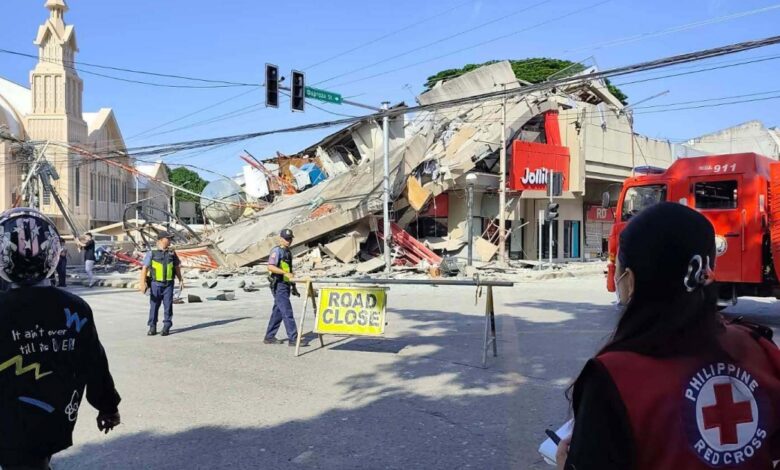
The human element of this energy disruption is starkly visible in the tourism and commercial hubs of Mindanao. Hou, a Taiwanese businessman who has operated in the seafood processing industry in General Santos City for over a decade, described the shaking as extremely strong. Beyond the physical sensation, the immediate aftermath involved building collapses and persistent power outages in certain areas. For businesses reliant on stable electricity for cold storage and processing, such interruptions pose immediate risks to inventory and operational continuity. The loss of power in these commercial centers underscores how infrastructure vulnerabilities translate directly into economic and community impacts.

The technical response has been swift but ongoing. NGCP’s restoration of major transmission lines indicates that the backbone of the grid in the affected area is functional, allowing power to flow to larger population centers. However, the “last mile” distribution in the 24 affected villages remains a priority. The ongoing repairs in South Cotabato suggest that while the high-voltage transmission network is stabilizing, the lower-voltage distribution networks that serve individual households and small businesses require more time and resources to fully recover. This distinction is crucial for understanding the timeline of relief; major cities may see power return quickly, while rural communities face a longer wait.
Meanwhile, the broader national grid continues to navigate the pressures of peak summer demand. In Luzon and the Visayas, grid alerts triggered by heatwaves have led to controlled outages or load shedding to prevent total system collapse. These events are driven by the difference between available generation capacity and the surging demand for air conditioning and cooling. The simultaneous occurrence of seismic damage in Mindanao and heat-related stress in the north means that grid operators cannot rely on transferring power from one region to another to alleviate the load. The inter-island transmission capacity is limited, and the current state of the Mindanao grid precludes it from acting as a reserve for the rest of the country.
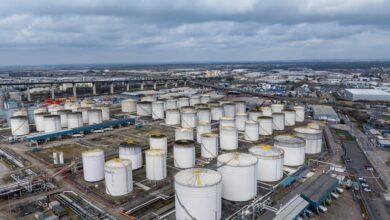
The Department of Energy’s assessment of fuel and power assets is a key indicator of the government’s strategy to maintain reliability. By evaluating fuel stocks, the DOE aims to ensure that power plants have sufficient resources to meet demand as the grid recovers from the earthquake and continues to handle high thermal loads. This dual focus on physical infrastructure repair and fuel security highlights the multi-layered nature of energy security in an archipelago. It is not enough to fix a broken transmission line; the system must also have the fuel to generate the power that line needs to carry.
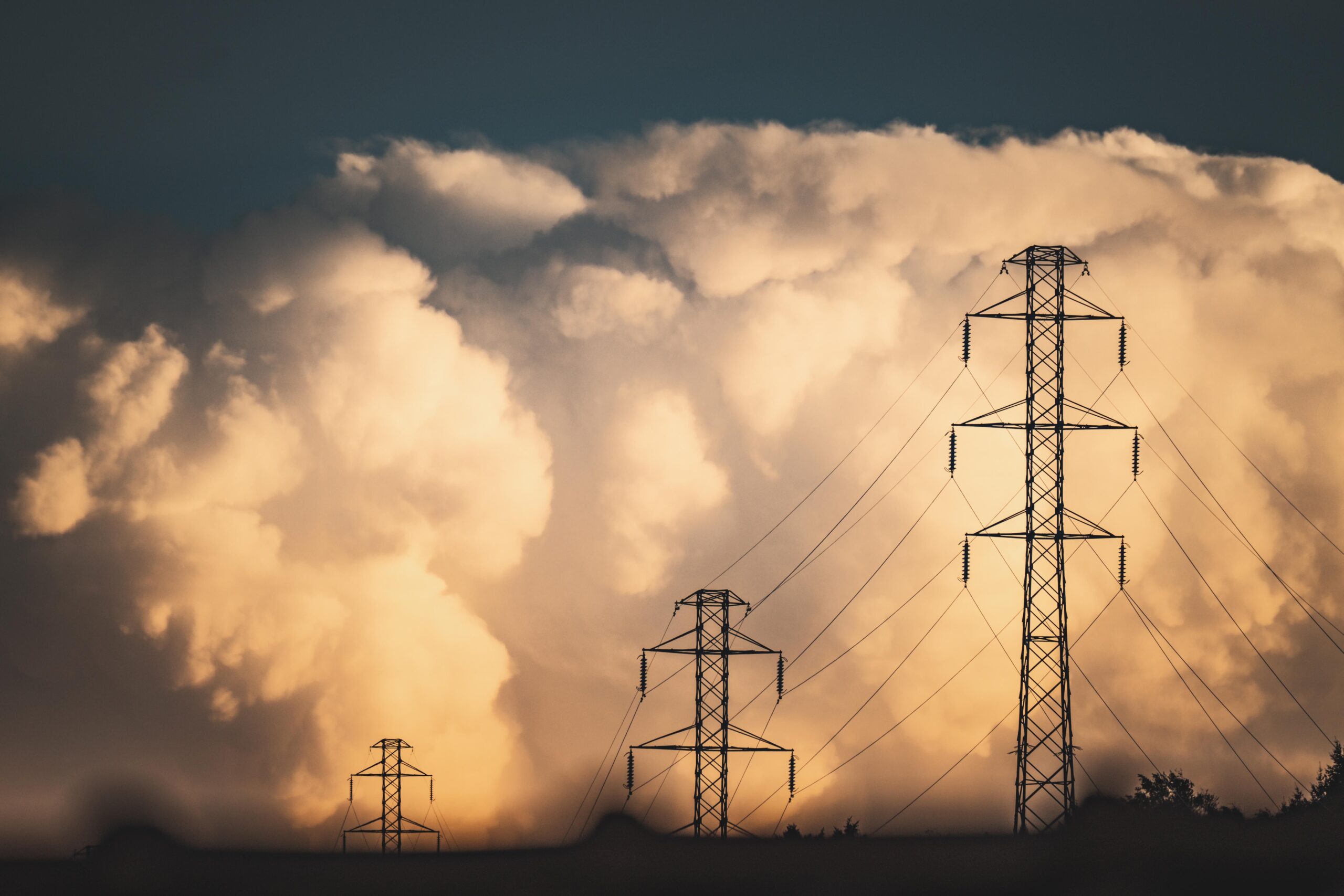
For the residents of the 24 affected villages, the restoration of power is a matter of basic safety and normalcy. The initial chaos of the earthquake, marked by building collapses and the shock of the tremors, has given way to the slower, more grinding reality of grid recovery. As NGCP completes its repairs in South Cotabato, the focus will shift to ensuring that the restored transmission capacity is stable enough to withstand potential aftershocks while also meeting the ongoing demand from the region’s growing population and industries.
The next critical development will be the official report from the DOE on the extent of damage to power generation assets in Mindanao. If generation capacity is reduced due to the earthquake, the grid may face further constraints even after transmission lines are fully repaired. Until that assessment is complete, the energy system remains in a state of temporary equilibrium, balancing the urgent need for restoration in the south with the persistent pressure of heat-driven demand in the north.