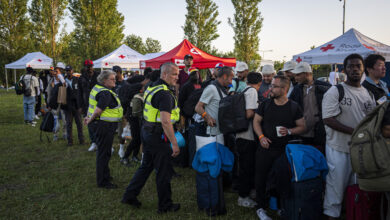
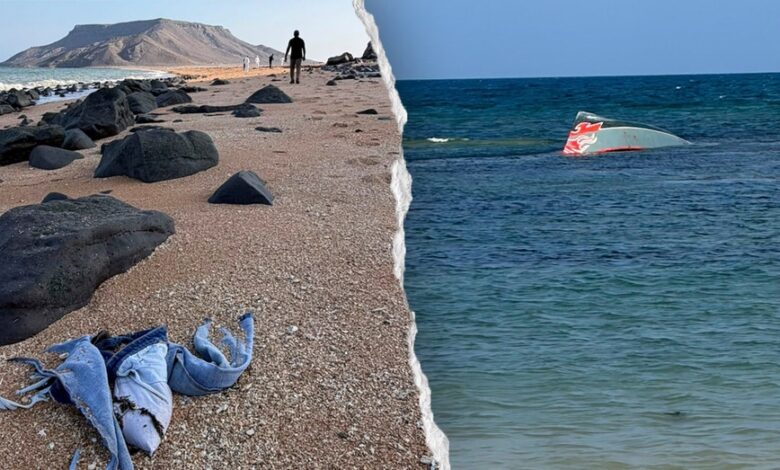
All confirmed survivors were Ethiopian nationals who were transported to an IOM rescue center in Obock. They are currently receiving medical treatment for seawater ingestion and psychological support, with officials describing them as being in a state of shock. The confirmed death toll includes only victims buried by authorities in Djibouti. However, IOM officials indicated the number could rise as additional bodies are verified, as some victims were buried by fellow migrants in common graves and have not yet been officially counted.
Amy Pope, Director General of the IOM, stated that the incident underscores the desperation of migrants seeking work in Gulf countries. “No one gets into a boat like that unless they believe there is no other safe way,” Pope said. She emphasized that safe and legal pathways are necessary to prevent further loss of life, urging governments and donors to act before the next tragedy occurs. Pope added, “We cannot keep treating these deaths as normal.”
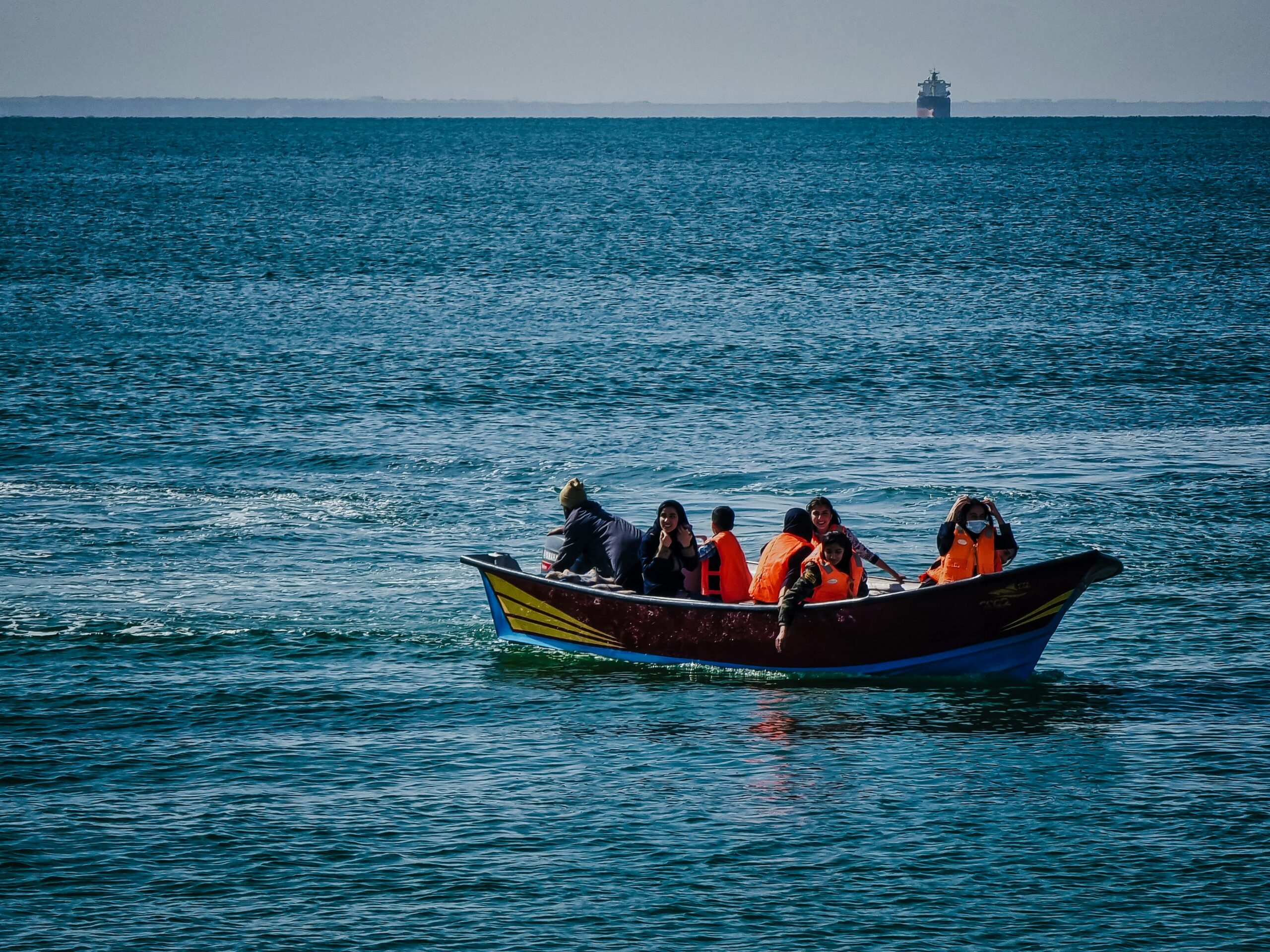
Alexandre Coissac, IOM Chief of Mission in Djibouti, attributed the sinking primarily to overcrowding. He stated that the boat sank shortly after departing on the evening of October 8. Coissac highlighted the humanitarian crisis caused by the lack of formal identification for the deceased, noting that many were buried without names in shared graves, resembling wartime conditions. “They all have a mother, a father, and we may never learn what happened,” Coissac said, stressing the difficulty of verifying the final toll when bodies are interred by other migrants before official authorities can assess the scene.
The crossing from the Horn of Africa to the Arabian Peninsula is a common but hazardous route for migrants. According to IOM data, more than 900 migrants died or went missing along this route last year. The recent capsize adds to a growing list of maritime disasters in the region, where vessels are frequently overloaded and lack necessary safety equipment. Authorities in Djibouti continue to coordinate with IOM and local partners to verify the identities of the deceased and locate the missing persons.
The immediate focus for international organizations remains on the verification of the missing 84 individuals and the provision of psychosocial support to the survivors. Until all bodies are recovered and identified, the official death toll remains subject to revision. The incident serves as a stark reminder of the lethal risks associated with irregular migration routes in the Red Sea and Gulf of Aden.