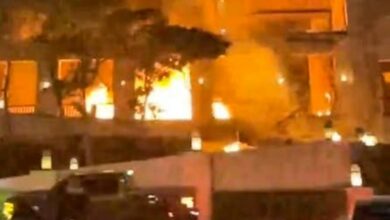
The primary focus of the discussion was the risk of rising conflict with Iran. While specific operational details of the meeting were not disclosed, the inclusion of both the Gaza Strip and Lebanon in the agenda underscores the complex multi-front nature of Israel’s current security environment. The gathering serves as a high-level forum for evaluating intelligence assessments and military readiness in the face of potential regional instability.
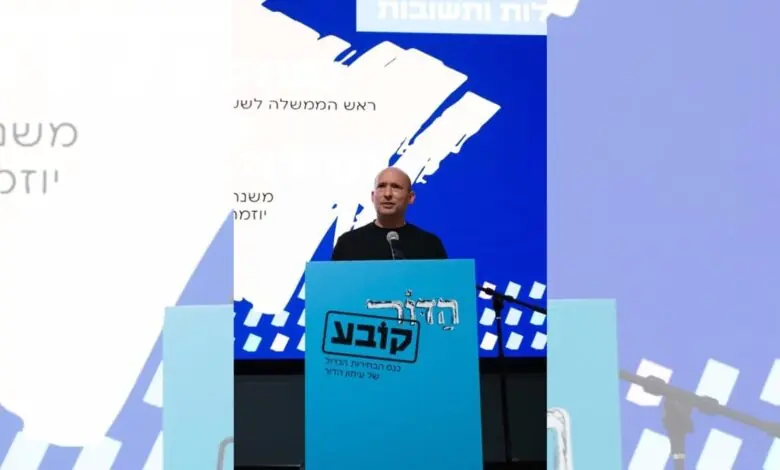
In a separate political development, former Prime Minister Naftali Bennett outlined specific conditions under which he believes Netanyahu could participate in the next government. Bennett stated that the Prime Minister could serve as a minister if he backs a state inquiry, the implementation of universal military enlistment, and the establishment of a constitution for Israel. These proposals represent a significant shift in the political discourse regarding accountability and national governance.

Bennett’s remarks suggest a potential pathway for political reconciliation or coalition-building, contingent upon Netanyahu’s acceptance of these institutional reforms. The proposal for a state inquiry implies a demand for transparency in recent events, while the call for universal military enlistment addresses long-standing debates over the integration of different societal groups into the defense structure. The suggestion of a constitution highlights ongoing efforts to formalize the legal framework of the state, a topic that has historically been contentious in Israeli politics.
The juxtaposition of a security crisis involving Iran, Gaza, and Lebanon with internal political negotiations over government structure illustrates the dual pressures facing Israeli leadership. While the security meeting addresses immediate external threats, Bennett’s conditional offer targets the internal political dynamics that could shape the government’s capacity to respond to those threats. The conditions proposed by Bennett—specifically the state inquiry and constitutional changes—remain unverified as agreed-upon policy positions by the current administration, representing instead a political stance put forward by the former Prime Minister.

No immediate response was detailed from Netanyahu’s office regarding Bennett’s specific conditions for ministerial participation. The security meeting’s outcome regarding the Iran, Gaza, and Lebanon fronts has not been made public, leaving the extent of any immediate policy shifts or military preparations uncertain. The next expected development will likely involve official statements from the Israeli government clarifying the outcomes of the security assessments and the political implications of the proposed conditions for the next government.