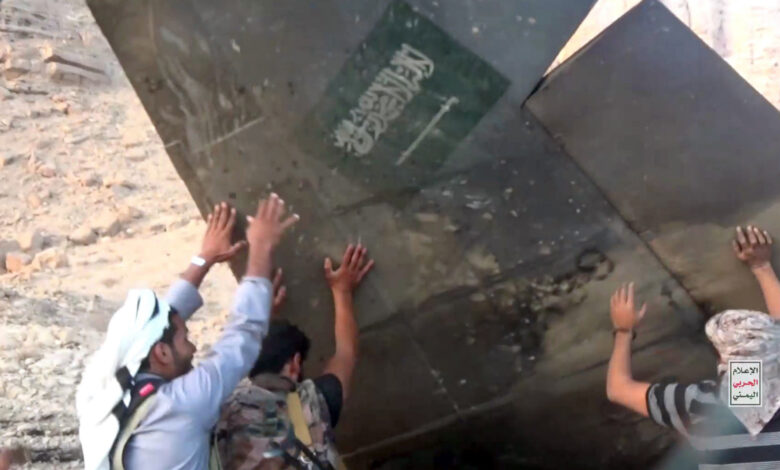
The escalation followed a specific timeline of hostilities. On July 22, the Houthis announced a naval blockade and began targeting oil tankers carrying Saudi crude in the Red Sea. This maritime pressure was followed by ground-level strikes on energy infrastructure, culminating in an attack on an oil refinery in Jazan on August 9. The scope of the threat expanded further on September 10, when an Iranian-backed militia in Iraq, plausibly coordinating with the Houthis, struck the critical East-West Pipeline. This pipeline had been essential for allowing Saudi Arabia to reroute its oil exports from the Strait of Hormuz to the Red Sea. On September 18, a Houthi ballistic missile targeting Riyadh was intercepted by Saudi air defenses.
The timing of these attacks coincides with a period of global energy volatility. Global oil inventories are at historically low levels, a condition exacerbated by continued blockades on the Strait of Hormuz by both the United States and Iran. Consequently, oil prices are edging higher, and gasoline and diesel prices in the United States have reached their highest levels since 2022. Although the Houthis have thus far limited their strikes to Saudi targets, the strategic significance of the region remains high, as between 20 and 30 percent of global container traffic passes through the Bab al-Mandab strait at the mouth of the Red Sea.
U.S. support for Saudi Arabia could take various forms, including intelligence sharing and targeting recommendations. However, credible reports suggest that direct U.S. military engagement is the primary demand from Riyadh, a request that President Donald Trump has reportedly declined to fulfill. This reluctance has stoked the perception that the United States is abandoning a key partner at its moment of greatest need. The situation is complicated by diplomatic maneuvering, as the U.S. president has been engaged in communications with Iran, the principal adversary of Saudi Arabia, largely to deter direct attacks on the United States.
The current standoff recalls the U.S. response to the 2019 Abqaiq and Khurais attacks, which were attributed to Iran or its Iraqi proxies rather than the Houthis, who initially claimed responsibility. At that time, the U.S. imposed additional sanctions on Iran but did not respond militarily, a decision justified in part by the reduced U.S. dependence on Middle Eastern oil. That tepid response left an enduring grievance in Riyadh, where the kingdom felt its principal defense partner had sat by while it was attacked. The current crisis tests whether that dynamic has shifted or if the U.S. will continue to prioritize diplomatic de-escalation over direct military intervention in support of its Saudi ally.