
Forward sale agreements allow NNPC to secure immediate liquidity by selling future crude oil production at a discount. In 2025, the company recorded N5.57 trillion in additional drawdowns under these arrangements, nearly double the N2.81 trillion drawn in 2024. While NNPC made principal repayments of N2.76 trillion during the year—an increase of 192.7% over 2024—the new borrowing far outpaced the repayments. Consequently, the total outstanding liabilities under forward sale contracts increased by N2.13 trillion, or 42.7%, to reach N7.10 trillion in specific contract categories, contributing to the broader N8.2 trillion figure reported across all forward crude sale liabilities.
Project Leopard has emerged as the dominant component of this debt structure. With no outstanding balance at the beginning of 2024, the project ended 2024 with liabilities of N1.26 trillion. In 2025, an additional N4.83 trillion was drawn under the arrangement. After accounting for principal repayments, premiums, interest, and translation differences, Project Leopard closed the year with a liability of N5.38 trillion. This single arrangement now represents approximately 75.7% of the company’s N7.10 trillion in forward-sale contract liabilities. Project Leopard and its counterpart, Project Leopard II, commit 96,250 barrels per day of future production to debt service. Combined with Project Gazelle, which involves 90,000 barrels per day, NNPC has committed a total of 186,000 barrels per day of crude output to repaying these financing obligations.

The financial burden is further exacerbated by premiums attached to the liabilities. The premium recognized on contract liabilities surged to N666.66 billion in 2025, up from N249.38 billion in 2024, a 167.3% increase. This indicates that the effective cost attached to the forward-sale liabilities rose faster than the principal obligations themselves. Project Gazelle, initiated in December 2023, remains a major component, with N2.81 trillion outstanding after N2.09 trillion in principal repayments from a N5.1 trillion facility. The facility, benchmarked to three-month SOFR plus a margin, was used to fund advance payments of future tax and royalty obligations to the Federal Government.
Despite the overall increase in debt, some specific arrangements saw reductions. The NLNG TEPNG liability dropped by 57.6% to N184.82 billion, and Project Yield was fully extinguished after N1.52 trillion in principal repayments. However, these reductions were insufficient to offset the massive inflow into Project Leopard. As of December 31, 2025, NNPC had settled only N2.886 trillion out of an aggregate N12.083 trillion commitment across all crude oil forward-sale, gas supply, and upstream funding obligations, leaving approximately N9.8 trillion in commitments outstanding.
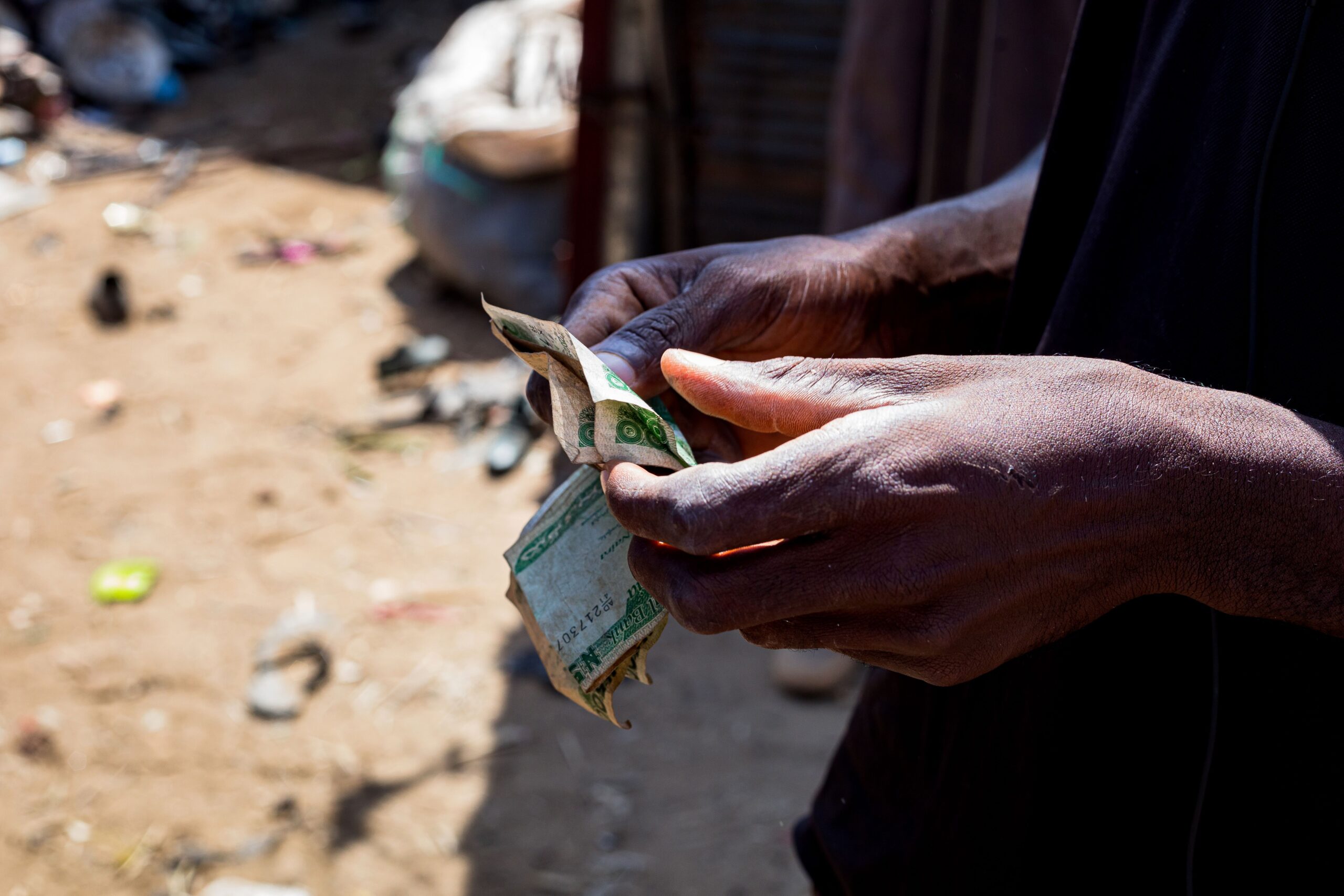
The scale of these obligations raises significant questions regarding the company’s future cash flow flexibility. With a substantial portion of future production already encumbered, NNPC’s ability to generate free cash flow for upstream investments or dividend payments may be constrained. Meanwhile, First Abu Dhabi Bank is reportedly seeking to spread its exposure on a separate $5 billion financing transaction by bringing in other international lenders, a move aimed at managing the broader risk profile associated with Nigeria’s energy sector borrowing.