
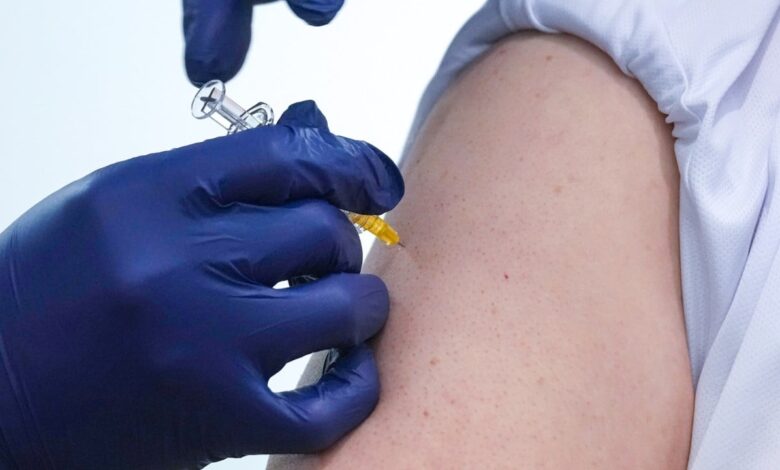
The Centre for Health Protection (CHP) confirmed on Wednesday that a 12-year-old girl died after suffering from influenza A. The child was unvaccinated. This is the second pediatric death attributed to the virus since the current influenza season commenced in late June.
Edwin Tsui Lok-kin, the controller of the Centre for Health Protection, addressed the public regarding the ongoing situation, stating that local influenza activity remains at a high level. He emphasized the need for the public to treat the illness with seriousness, noting that it should not be taken lightly.
“I urge the public not to take influenza lightly, and to take appropriate preventive measures, including receiving [a vaccination] as early as possible in order to build an immunity,” Mr. Tsui said. The official’s statement highlights the primary public health strategy currently in place: rapid immunization to reduce susceptibility among the population, particularly those at higher risk of severe complications.
Influenza A is a common respiratory infection that can range from mild to severe. While many individuals recover without specific medical intervention, the virus can lead to serious complications such as pneumonia, especially in children, the elderly, and those with underlying health conditions. The death of the 12-year-old girl, who had not received the flu vaccine, aligns with broader epidemiological patterns observed globally, where unvaccinated individuals are more likely to experience severe outcomes during high-activity seasons.

Health authorities in Hong Kong have been monitoring the flu situation closely since the season began in late June. The characterization of influenza activity as “high” suggests that the virus is circulating widely within the community. In such conditions, the risk of exposure increases, making preventive measures like vaccination, hand hygiene, and mask-wearing in crowded or poorly ventilated spaces more critical than during periods of low activity.
The emphasis on early vaccination is a standard public health recommendation. Influenza vaccines are updated annually to match the strains expected to circulate in the upcoming season. Building immunity through vaccination is considered the most effective way to prevent infection and reduce the risk of severe disease, hospitalization, and death. For children, who may be less likely to seek care for mild symptoms, ensuring they are vaccinated can be particularly important in preventing the progression of the illness to a dangerous stage.
It is important to note that while vaccination significantly reduces the risk of severe outcomes, it does not guarantee complete protection against infection. However, if a vaccinated individual does contract the flu, the vaccine is generally associated with a milder course of illness and a lower risk of complications. The fact that the deceased child was unvaccinated highlights the potential gap in protection that can exist when preventive measures are not taken.
Public health experts often stress that influenza is a significant contributor to seasonal illness and mortality, particularly during peak activity periods. The call for the public to “take appropriate preventive measures” extends beyond vaccination to include general hygiene practices. These measures are designed to limit the spread of the virus and protect those who are most vulnerable.
The current situation in Hong Kong serves as a reminder of the ongoing threat posed by seasonal influenza. With activity remaining high, the window for individuals to take protective steps is open. Health officials are encouraging residents to consult with their healthcare providers to determine the appropriate timing and type of vaccination for their specific health needs.
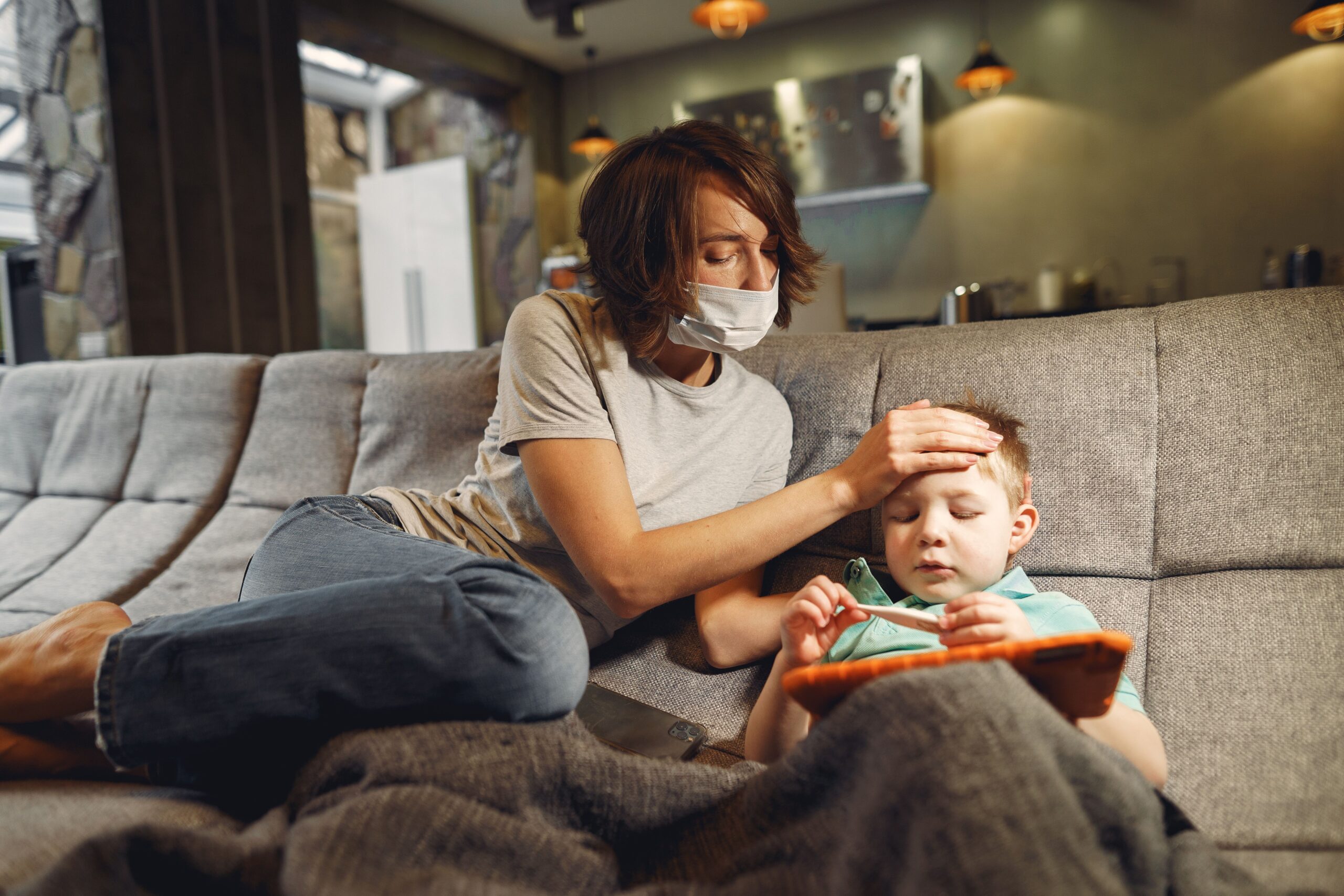
As the season continues, health authorities will likely continue to monitor influenza activity and provide updates on the situation. The public is advised to stay informed through official channels and to take the recommended preventive actions to protect themselves and their communities. The death of the second child this season is a stark indicator of the virus’s potential severity and the importance of adhering to public health guidance.
For individuals experiencing flu-like symptoms, such as fever, cough, sore throat, and body aches, it is recommended to seek medical attention and inform their healthcare provider of any recent exposure to sick individuals. Early diagnosis and treatment can be crucial in managing the illness and preventing the spread to others.
The Centre for Health Protection’s warning to “not take influenza lightly” is a direct response to the rising number of severe cases and fatalities. It reflects a public health stance that prioritizes proactive prevention over reactive treatment, especially in the face of high viral circulation.
As Hong Kong navigates this high-activity phase of the flu season, the focus remains on reducing the burden of disease through widespread vaccination and public adherence to preventive measures. The health of the community depends on collective action and individual responsibility in mitigating the risks associated with influenza A.



One Comment