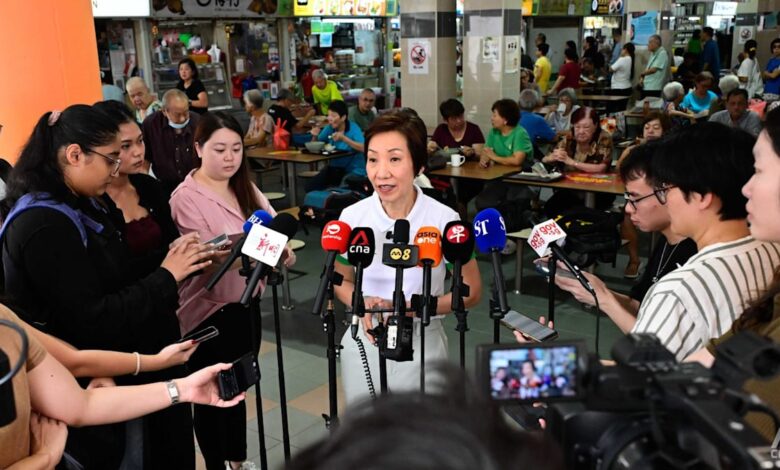
Minister for Sustainability and the Environment Grace Fu announced the expansion on Thursday, stating that the government had responded to feedback from seniors who did not hold specific generation cards but still required protection. “We agree with them. So we are extending this to all Singapore seniors above 60 years of age,” Ms. Fu said during a media briefing at Beo Crescent Market. The second round of distribution aims to ensure that vulnerable populations, including the elderly, have adequate access to respiratory protection as the country navigates more than six weeks of elevated haze conditions.
Expanded Eligibility and Collection Process
The updated eligibility criteria now cover a broader demographic. In addition to the newly included seniors aged 60 to 66, the following groups remain eligible to collect masks at Community Clubs (CCs) or designated vending machines:
- Seniors: All Singaporean citizens aged 60 and above.
- Chronic Condition Holders: Individuals with CHAS Orange and Blue cards, Medical Fee Exemption cards, and recipients of ComCare Assistance.
- Vulnerable Groups: Pregnant women, children aged seven to 16, and individuals with medical conditions such as asthma.
Citizens who collected masks during the first round, which began on October 14, are entitled to an additional pack of two masks in this second tranche. Those who were eligible in the first phase but did not collect their masks may redeem both entitlements simultaneously at any CC, effectively allowing them to collect four masks in total. To facilitate access for those who may have difficulty traveling, eligible individuals may authorize a family member or friend to collect the masks on their behalf using the eligible person’s National Registration Identity Card (NRIC).
Mask Types and Respiratory Protection
The government-issued masks include N95, KN95, FFP2, and KF94 models. While the acronyms differ based on the country of origin and specific certification standards, all four types are effective in reducing exposure to fine particulate matter (PM2.5) associated with haze. Health authorities advise that vulnerable persons, including the elderly, pregnant women, and those with chronic heart or lung disease, should wear these masks when the air quality forecast indicates “very unhealthy” levels, particularly if they must remain outdoors for extended periods.
Ms. Fu emphasized that the government is ensuring a steady supply to prevent shortages. “No need to panic, there are always masks available. And we just need to give the retailers some time to replenish their shelves,” she noted. To support this, the Ministry of Health is working with the Ministry of Sustainability and the Environment to draw on national stockpiles to restock shelves at major supermarket chains, including Sheng Siong, Giant, and Cold Storage. FairPrice Group retailers, affiliated with the National Trades Union Congress, are also ensuring masks remain available on their online platforms.
Current Air Quality and Public Health Impact
The distribution expansion coincides with a slight improvement in local air quality. As of 1:00 p.m. on October 22, hourly PM2.5 readings across all areas of Singapore were within the normal range. However, the situation remains fluid. On October 14, western Singapore recorded a PM2.5 reading of 288, the highest level since 2015, and the 24-hour air pollution index reached 230 on October 18. Despite the recent improvement, Ms. Fu urged residents to remain prepared for potential deterioration, stating, “The haze situation has improved over the last few days. However, the health of our people remains our top priority.”
According to the multi-agency Haze Task Force, approximately 22 per cent of eligible Singaporeans have collected masks so far. Ms. Fu encouraged those who have not yet claimed their entitlements to do so before conditions potentially worsen again. She also highlighted the need for community support, urging residents to look out for vulnerable neighbors, such as elderly individuals who may struggle to collect masks independently, and self-employed workers like hawkers and delivery riders who spend significant time outdoors.
Economic and Diplomatic Context
The prolonged haze has had noticeable economic repercussions. Ms. Fu acknowledged that some food establishments reported a drop in sales of up to 70 per cent due to reduced foot traffic. While feedback from business owners has been mixed, with some reporting minimal impact and others noting a decline in takeaway orders, the government is monitoring the situation and may provide additional support if necessary.
Beyond domestic distribution, the Singapore government has intensified diplomatic efforts regarding the source of the haze. Authorities have issued legal notices to 10 firms in Indonesia, requesting them to cease burning on their land and submit plans to prevent future fires. When asked about responses from these firms, Ms. Fu indicated that updates would be provided at a later time. Benjamin Pakiam, a 72-year-old resident and insurance worker, welcomed the expanded age range but suggested that the measure could be further extended to those aged 50 and above, noting that individuals in their 50s are also vulnerable to haze-related health issues.
The immediate focus remains on maximizing uptake of the available masks among the newly eligible senior population and maintaining retail stock levels to ensure public confidence in the health response.