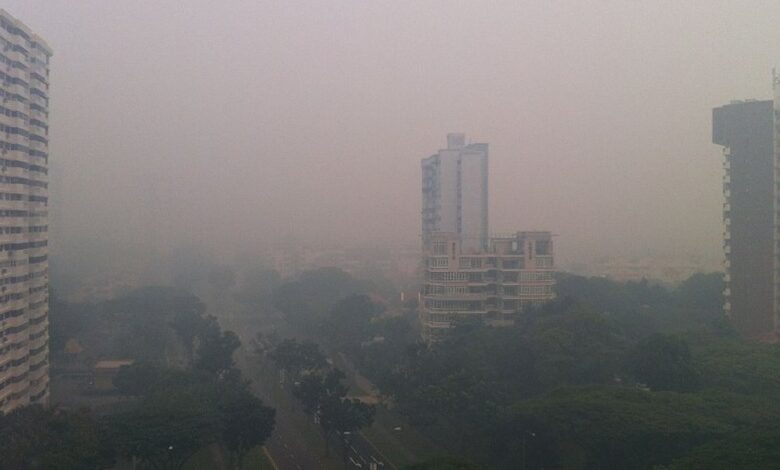
The current episode has triggered Alert Level 3, the highest warning from the ASEAN Specialized Meteorological Centre. According to Reuters, this marks Indonesia’s most intense El Niño-fuelled fire season in over a decade. By 14 October 2026, Indonesia had recorded more than 1.06 million wildfire hotspot detections, surpassing the 885,037 recorded in 2019. However, the scale of the current crisis is debated. The Indonesian forestry ministry reported 202,004 hectares burned between January and July, while the National Disaster Agency (BNPB) counted 72,008 hectares of peatland by early September. These figures are significantly lower than the 2.6 million hectares that burned in 2015, a crisis estimated by the World Bank to have cost $16.1 billion. In the 1997–98 episode, nearly 100,000 square kilometres burned, with losses around US$9 billion.
The disparity between the physical reality of the smoke and the political response highlights a structural flaw in the ASEAN Agreement on Transboundary Haze Pollution, signed in 2002. The treaty’s operational mechanism relies on a single trigger: a national emergency declaration by the government where the fires originate. Only if Indonesia declares a national disaster can the ASEAN Centre formally intervene with significant support. Currently, President Prabowo Subianto has designated Central and West Kalimantan as emergency zones but has stopped short of a national disaster declaration, describing the haze as a “shared environmental crisis” rather than a national catastrophe. This distinction is critical because, under Article 5 of the agreement, the ASEAN Centre cannot independently determine when an emergency exists; it must wait for the affected nation to ask for help. This design places the political cost of seeking regional aid entirely on the burning nation, creating a disincentive to escalate the response.
This political hesitation is rooted in ASEAN’s foundational principle of non-interference. While Article 3(1) of the haze agreement commits member states to prevent activities under their jurisdiction from causing environmental damage to other states, the agreement lacks enforcement power. There is no dedicated court to penalize violations or sanction members. As noted by researchers at Indonesia at Melbourne, the treaty starts the regional response with the government that must bear the diplomatic weight of admitting it cannot cope alone. Consequently, the agreement often functions as a symbolic commitment rather than a tool for accountability. A 2025 advisory opinion by the International Court of Justice affirmed that states have a duty under international law to prevent significant environmental harm, yet ASEAN’s consensus-driven culture continues to prioritize government-to-government harmony over rigorous public health enforcement.
The human cost of this diplomatic impasse is measurable. In West Kalimantan alone, 62,278 cases of acute respiratory infection were recorded between 28 June and 8 September. By 12 October, cases across seven provinces had more than doubled to 277,075. These health impacts, combined with the disruption to daily life in neighboring countries, demonstrate that the “convenience” of the haze treaty’s current structure comes at a severe public health price.
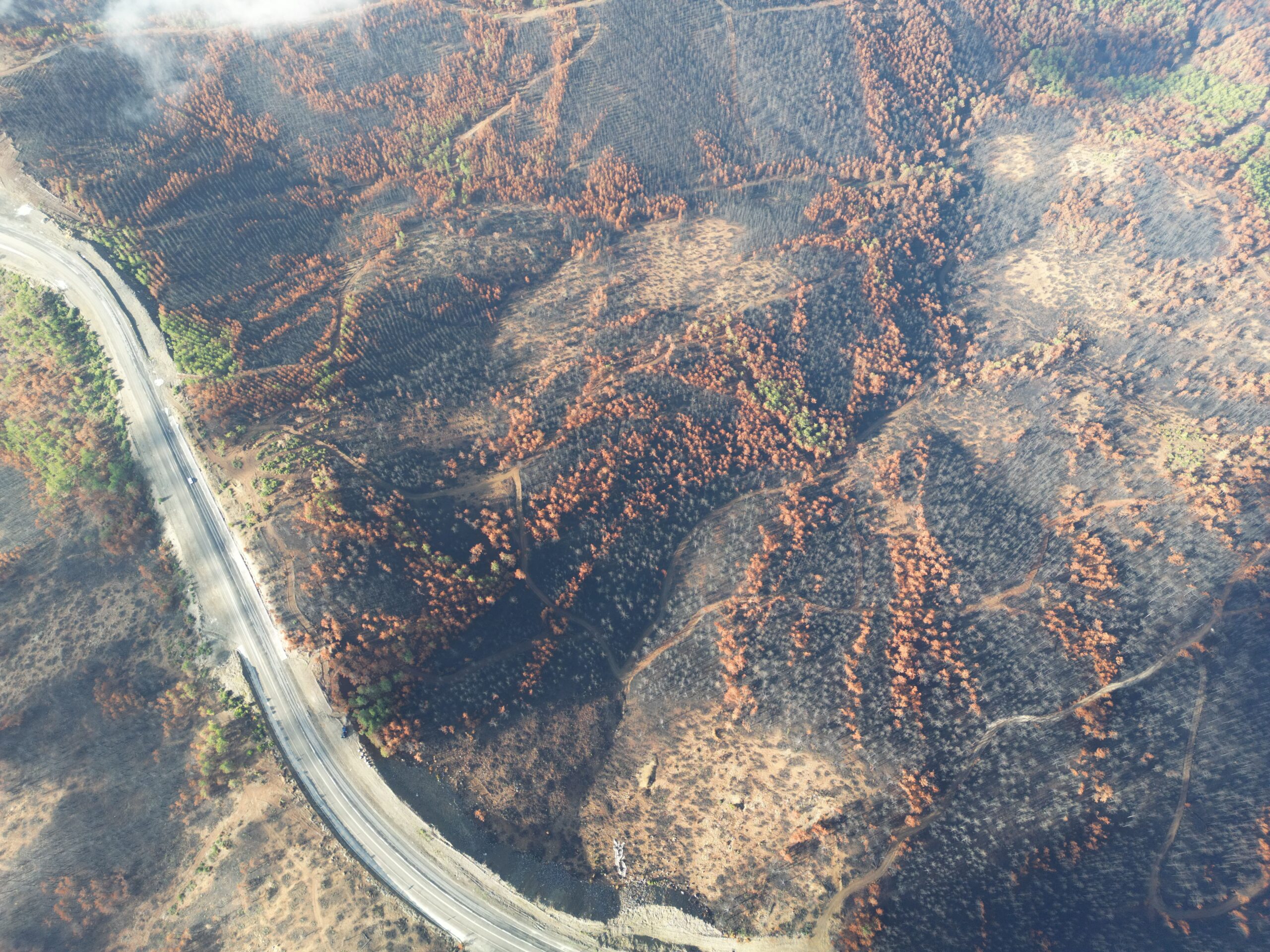
Analysts point to three structural weaknesses perpetuating this cycle. First, the root causes—land clearing by burning, poor peatland management, and the economic interests of plantations—remain deeply embedded in local economies. Second, there is a significant gap in enforcement capacity between central governments and local administrations. Third, ASEAN itself lacks the legal machinery to enforce compliance. While the regional Haze Fund exists, it remains dependent on voluntary contributions, and the coordinating centre is not yet fully legally in force. The 2016–2020 “haze-free” roadmap was missed, and the current 2023–2030 plan faces similar skepticism.
Experts argue that the solution lies not in a new treaty, but in the rigorous application of existing legal instruments. A policy brief from Sunway University’s Centre for Planetary Health suggests that ASEAN already has the necessary legal framework; what is missing is the political will to use it. The principle of non-interference cannot reasonably shield a state from accountability when pollution crosses borders and harms neighbors. Effective pressure requires a combination of preventive ground-level actions, firmer bilateral diplomacy, and transparent data sharing that holds both state and corporate actors accountable for foreseeable harm.
As the dry season continues, the question remains whether ASEAN can move beyond a “feel-good” diplomatic platform to address the systemic and economic drivers of the fires. Until the mechanism for declaring emergencies is decoupled from political convenience and stricter enforcement of existing laws is implemented, the smoke is likely to return with the next dry season.