The controversy centers on a report by The Telegraph, which cited government sources claiming that Netanyahu instructed diplomats to support direct negotiations between Britain and Argentina over the islands’ future. According to the newspaper, this alleged directive was linked to deteriorating ties with London, specifically following Britain’s decision last month to impose sanctions on Israeli products manufactured in the West Bank settlements. The report suggested that the move was part of a broader strategy by Netanyahu’s coalition to seek closer ties with right-leaning governments in South and Central America, particularly Argentina, while facing growing criticism from traditional European allies over the Gaza war and settler violence.
Despite the official denial, the report pointed to public remarks made by Israel’s UN Ambassador, Danny Danon, during a session last week. Danon called for direct, constructive, and practical dialogue between Britain and Argentina. He acknowledged the importance Argentines attach to the issue and stated that any progress should account for relevant historical, legal, and human considerations. Sources cited by The Telegraph described these remarks as a significant departure from Israel’s previous stance, particularly because they explicitly acknowledged Argentina’s historical connection to the islands. However, the reported intervention stopped short of formally endorsing Argentine sovereignty over the British-controlled territory.
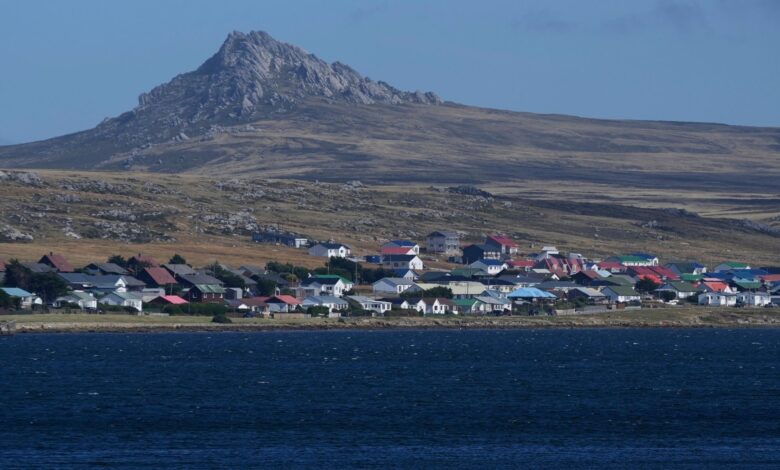
The Falkland Islands, known in Argentina as the Malvinas, are located roughly 480 kilometers, or about 300 miles, east of Argentina’s coast. The dispute has historical roots dating back centuries and culminated in a war in 1982, which Argentina lost. Despite the military outcome, Argentina continues to claim sovereignty over the islands. Britain maintains that sovereignty cannot be discussed without the consent of the islanders. In a 2013 referendum, 99.8% of those voting chose to remain a British overseas territory, a figure that underscores the strong local preference for maintaining the status quo.
The timing of these diplomatic exchanges is driven by immediate retaliatory measures. Following the British announcement of sanctions on West Bank settlements last month, Israel took measures against the British consulate in Jerusalem, including the expulsion of most of its staff. National Security Minister Itamar Ben-Gvir had publicly urged Netanyahu last month to recognize Argentine sovereignty over the Falklands and impose sanctions on Britain, a demand that followed the initial British sanctioning announcement. The Telegraph reported that the alleged diplomatic shift reflects the growing tension between Jerusalem and London, with the Israeli government seeking to leverage its relationship with Argentine President Javier Milei.
However, the Israeli government’s current official line remains one of denial. The embassy’s statement in London serves as a firm counter-narrative to the claims of a policy pivot, emphasizing that no such directive has been issued. This distinction is crucial for understanding the current state of bilateral relations. While the Israeli UN ambassador’s comments have been interpreted by some as a softening of the traditional Israeli position—typically aligned with the British view that the islanders’ wishes are paramount—the Foreign Ministry insists that the official posture has not changed. The denial suggests that any diplomatic moves are limited to rhetorical support for dialogue rather than a formal geopolitical realignment.
The broader context involves Israel’s strategic interests in the region. As traditional European allies express increasing criticism regarding human rights and settlement issues, the Israeli coalition appears to be exploring partnerships with other political blocs. The reported attempt to engage with Argentina on the Falklands issue fits within this pattern of seeking alternative diplomatic channels. Yet, the immediate reaction from the Israeli Embassy indicates a desire to contain the narrative, preventing the situation from escalating into a formal diplomatic rupture with the United Kingdom over a third-party territorial dispute.
For now, the dispute remains a matter of conflicting reports and official denials. While the Israeli government denies issuing any orders to back Argentina’s sovereignty claim, the public statements by its UN ambassador have introduced a nuance that differs from previous rigid positions. The next phase of this diplomatic friction will likely depend on whether London imposes further sanctions on settlements and how Jerusalem responds to such measures. Until then, the official Israeli position remains that there is no change in policy, even as the underlying tensions with London continue to shape diplomatic strategies in the South Atlantic and beyond.