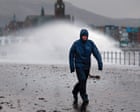
The Met Office issued amber weather warnings that came into force at 9pm on Saturday, covering mainland Scotland, parts of Northern Ireland, and the far north of England. Within this zone, wind speeds widely reached 60-70mph, with gusts exceeding 80mph in exposed coastal locations. Specific measurements recorded by the forecaster include 82mph winds on the island of Tiree in the Inner Hebrides and 83mph in Snowdonia. These figures align with the broader pattern of severe weather affecting the region, where the Met Office chief forecaster, Jason Kelly, noted that the strongest winds and greatest potential for disruption were concentrated in the north. Kelly warned that heavy rain accompanying the winds posed an additional hazard, bringing the potential for further impacts on travel and power supplies.
The restoration of electrical services has been complicated by the continuing severe weather, which limits network engineers’ opportunities to safely begin work. The ENA stated that access to certain areas remains difficult, with engineers working around the clock to identify and fix faults. Of the properties still without power, more than 30,000 homes are located across Scotland. Simultaneously, transportation networks have suffered significant disruption. Network Rail Scotland reported flooding from the tracks to the platform in one Glasgow station and fallen trees above the lines near another. Speed restrictions are in place across Scotland, and several sections of the railway have been closed. In Lancashire, the railway line between Preston and Blackpool North was blocked after heavy rain led to flooding, while in Dumfries, trees came down on the tracks. Network Rail has also highlighted hazards such as a trampoline found beneath a train and a shed by the tracks, reminding residents living near rail lines to firmly secure objects in their gardens.
Air travel has been similarly affected, with hundreds of flights delayed or cancelled at several UK and Ireland airports, including Dublin, Heathrow, Manchester, Edinburgh, and Glasgow. The adverse conditions have also led to the cancellation of several public events. Visit Liverpool announced that the River of Light event, featuring illuminated artworks, was cancelled in the interests of safety. Similarly, London’s annual Diwali on the Square celebrations on Sunday were cancelled on the advice of independent health and safety experts. Edinburgh Castle closed on Sunday due to high winds and adverse weather, while the Fountains Abbey estate in North Yorkshire also closed for the day after its Fountains by Floodlight event on Saturday evening was cancelled.
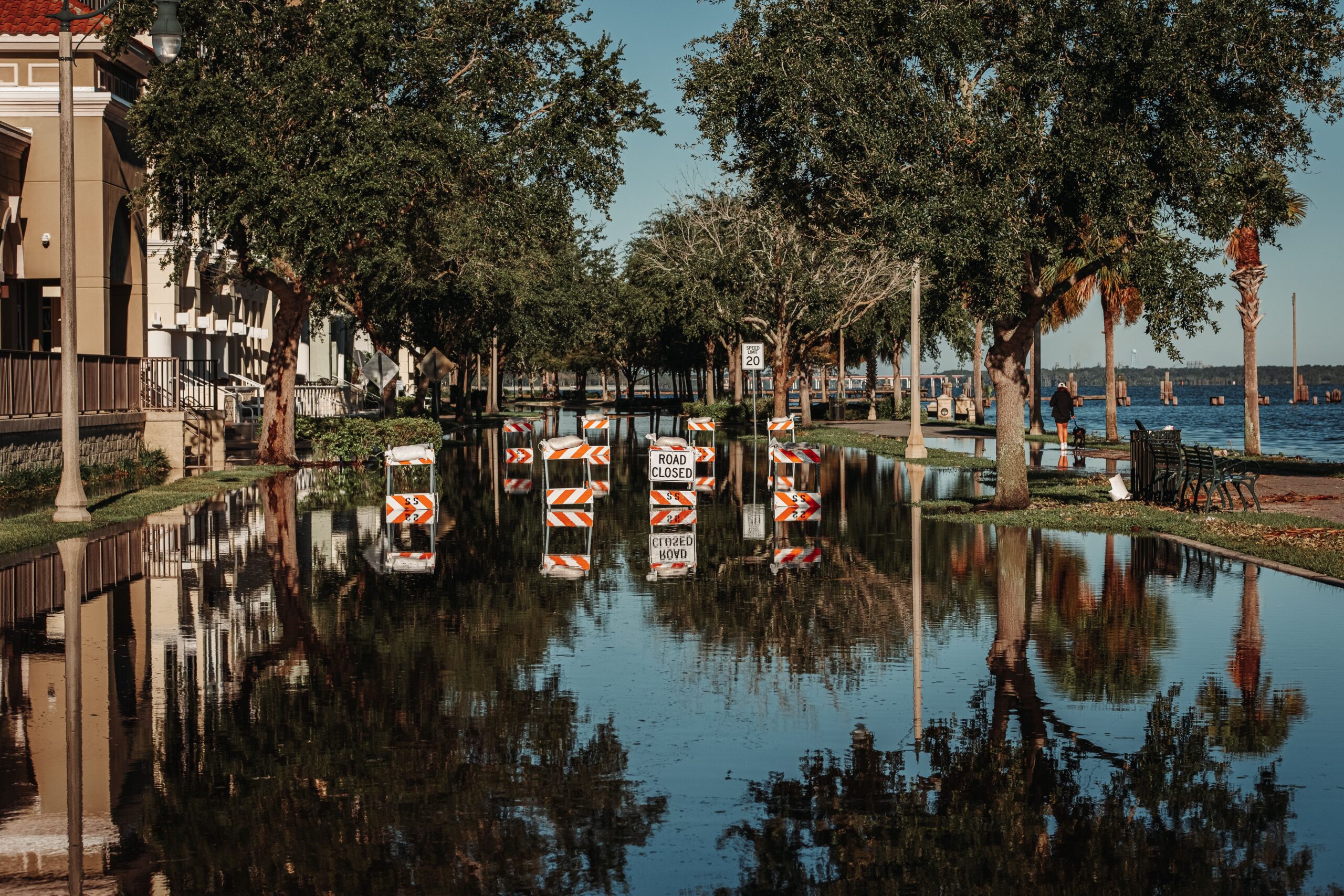
The current storm follows Storm Austen, which impacted south-west England on Friday. That earlier storm brought 76mph winds to St Mary’s airport in the Isles of Scilly, with 74mph recorded at Aberporth in south Wales and 71mph at Culdrose in Cornwall. Hundreds of homes in the south-west remained without power following that event, indicating a persistent vulnerability in the region’s infrastructure. The Environment Agency had issued 66 alerts for areas across England where flooding was possible by 7am on Sunday, along with 10 warnings stating that flooding was expected. Cumbria police reported receiving numerous calls overnight regarding localised flooding and fallen trees blocking roads, urging motorists to drive with care while emergency services worked to clear obstructions.
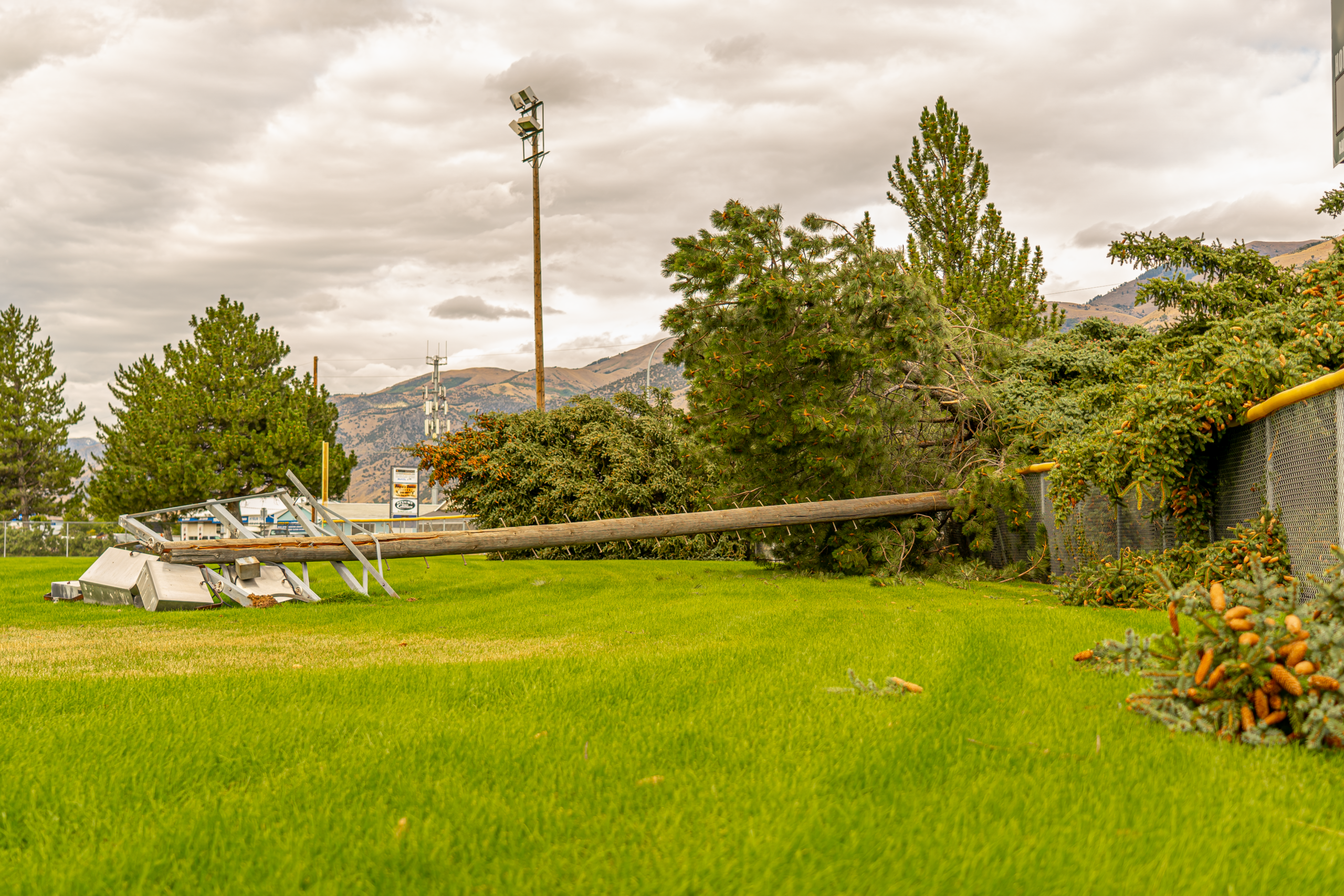
The Met Office continues to advise people in affected areas to secure loose items in gardens and to stay indoors, as the storm poses a danger to life from flying debris and crashing waves. The amber warning sits within wider yellow wind warnings, which cover parts of England farther south, as well as north Wales and the whole of Northern Ireland. The convergence of high winds and heavy rain creates a complex operational environment for emergency responders and utility providers, who must balance the urgency of restoring services with the safety of their personnel. As the storm system moves through, the focus remains on the gradual reconnection of power and the clearing of debris from key transport routes, with the full extent of the damage to be assessed as weather conditions improve.