The decision to hike prices, despite recent downward trends, is directly linked to what the Petroleum Division described as “persistent turbulence in global energy markets.” The division cited changes in Platts rates, premiums, and incidentals—international fuel-price benchmarks and additional procurement costs—as the primary drivers. By using a seven-day rolling average of international prices, the government’s pricing mechanism allows fluctuations in import costs to feed through to domestic consumers with minimal lag. Consequently, the domestic price structure remains tightly coupled to the volatility of the global oil market, particularly the disruption of the Strait of Hormuz, the narrow passage through which approximately one-fifth of global oil supplies previously passed.
The impact of this disruption on Pakistan’s fuel economy has been profound. Data reveals that high-speed diesel prices surged from PKR 281 per litre following the escalation of regional hostilities in late February, climbing to a record peak of PKR 520.35 on April 3. Similarly, petrol prices, which stood at PKR 266 in the first week of March, reached a historic high of PKR 458.41. Although the government has implemented corrective measures, including daily reviews and recent price cuts, the baseline remains drastically elevated. As of a recent adjustment, petrol was priced at PKR 387.54 and diesel at PKR 402.24. These figures represent an increase of approximately 45.6 percent for petrol and 43.2 percent for diesel compared to the pre-war levels of PKR 266.17 and PKR 280.86, respectively. For motorists and businesses transporting goods, this translates to substantial additional operational costs that have not been fully recouped despite the most recent minor reductions of PKR 1.49 and PKR 2.73 per litre on Wednesday.
In response to the sustained high costs and the need to rein in public spending, the Pakistani administration has reintroduced a series of stringent austerity measures. Under these revived conservation directives, commercial markets across the country are now mandated to cease operations by 9:00 PM. Additionally, the government has slashed fuel allocations for official government vehicles by 50 percent for an initial period of three months. These measures aim to reduce overall energy consumption and mitigate the fiscal burden of subsidizing or managing the high cost of imported energy. The heavy tax burden remains a constant factor in the final price, with the administration levying duties of PKR 114 per litre on petrol and PKR 100 per litre on diesel, components that are embedded in the final retail price.
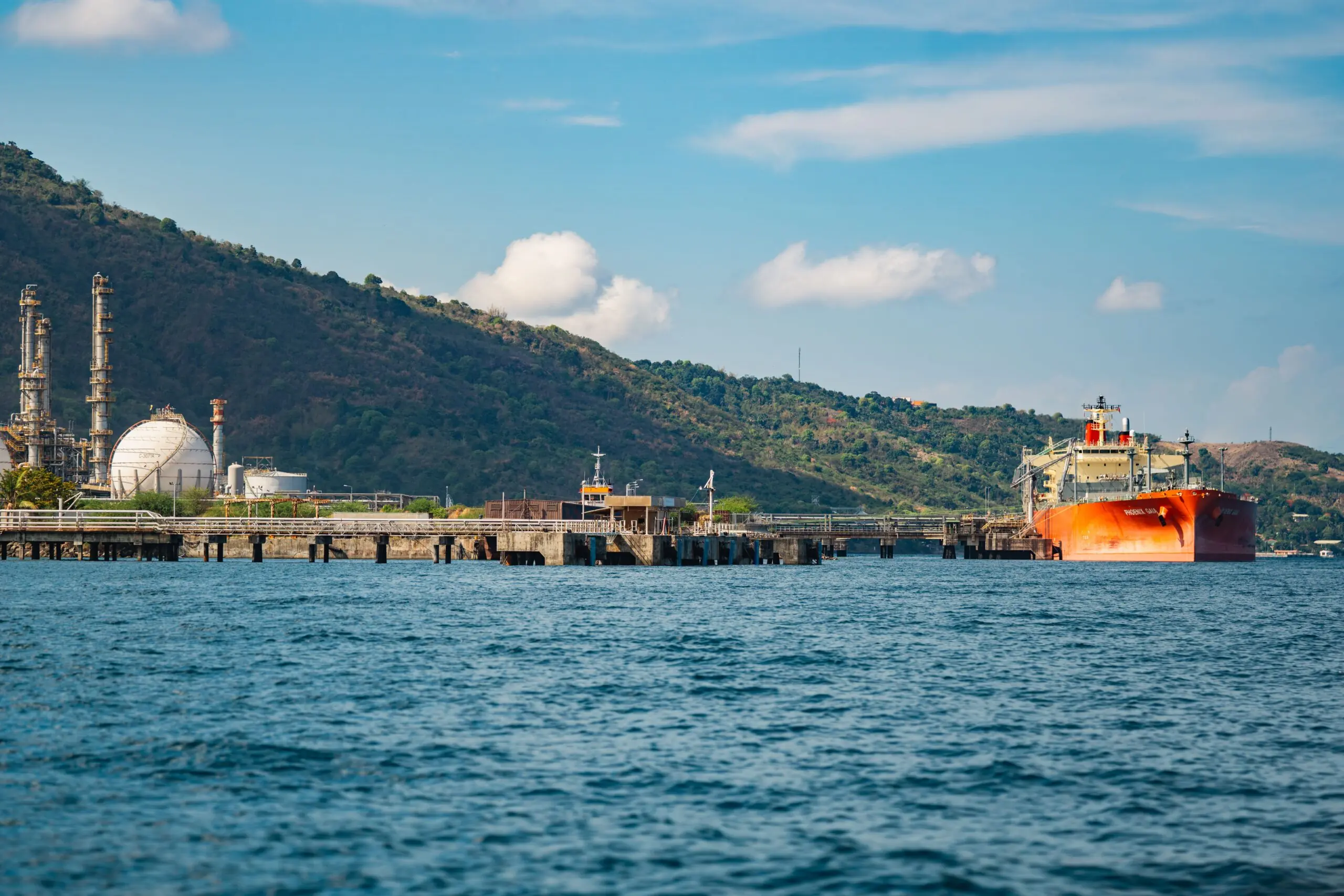
The global context for these domestic pressures is stark. The International Energy Agency’s latest available figures indicate that oil flows through the Strait of Hormuz averaged 7.6 million barrels a day in August, a deficit of approximately 13.1 million barrels per day compared to pre-war levels. While Saudi Arabia and the United Arab Emirates have attempted to divert some exports through pipelines and ports outside the strait, and other producers have increased output, these efforts have been constrained by renewed attacks. Emergency stock releases and weaker global demand have helped offset some losses, but the structural disruption remains a defining feature of the current energy landscape. For Pakistan, this means that even as global prices fluctuate, the premium for securing supply remains high, necessitating the daily price adjustments observed in the domestic market.

Recognizing the disparate impact of these price hikes, the government is separately offering targeted petrol subsidies to lower-income motorists. Eligible motorcycle and rickshaw users can receive PKR 500 in weekly relief, while owners of cars with engines of up to 800cc qualify for PKR 1,000 every 10 days. This scheme, which utilizes registration and digital tokens redeemed at participating filling stations, provides a buffer for vulnerable consumers. However, these discounts reduce individual bills without altering the national fuel prices used to calculate the broader increases since the war began. The subsidies serve as a targeted intervention rather than a systemic solution to the inflationary pressure exerted by global supply constraints.
As the government balances the need to maintain fiscal discipline with the imperative of energy security, the focus remains on the daily fluctuations in international benchmarks. The next verified development will likely hinge on the stability of shipping lanes in the Gulf and the effectiveness of alternative supply routes. Until the geopolitical tensions that initiated the US-Iran conflict are resolved, Pakistan’s fuel prices will remain sensitive to every shift in global premiums, leaving consumers and businesses to navigate a market where the cost of energy is inextricably linked to distant geopolitical conflicts.