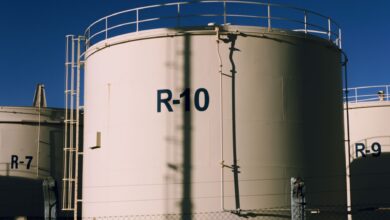
The rise in crude oil benchmarks following the strike highlights the market’s sensitivity to disruptions in Saudi Arabia’s refining and production capabilities. As the world’s largest exporter of crude oil, Saudi Arabia plays a pivotal role in balancing global supply. Any perceived threat to its infrastructure, whether through direct damage to assets or the broader security implications, tends to trigger an immediate risk premium in oil contracts. This price adjustment reflects not just the potential loss of physical barrels, but the heightened uncertainty surrounding the reliability of supply from the Gulf.
It is important to distinguish between the immediate physical impact of such an incident and its broader market consequences. While the specific output loss from a single refinery attack may be quantifiable in terms of daily capacity, the market’s reaction often amplifies this figure due to fears of escalation or further instability. The distinction between a temporary operational disruption and a structural change in supply is critical; investors and analysts must assess whether the attack represents an isolated event or the beginning of a sustained period of heightened risk for regional energy assets.
For oil markets, the primary concern is the availability of spare capacity to offset any lost production or refined product exports. Saudi Arabia, along with its OPEC+ partners, has historically maintained strategic reserves and spare capacity to manage global supply shocks. However, the effectiveness of these buffers depends on the scale of the disruption and the speed at which alternative supply can be mobilized. If the attack compromises key refining infrastructure, it could affect not just crude exports but also the supply of refined products, potentially leading to price spreads between crude and refined fuels.
Geopolitical risks of this nature also influence investment decisions in energy infrastructure. Companies and governments may reassess the risk profiles of projects in the region, potentially leading to changes in insurance costs, security expenditures, or even delays in new capital projects. This risk premium can have long-term implications for the cost of energy and the pace of infrastructure development in the Middle East.
Furthermore, the incident underscores the importance of diversified supply sources and robust strategic reserves for importing nations. Countries that rely heavily on Middle Eastern oil may accelerate efforts to secure alternative supply routes or increase their own strategic stockpiles to mitigate future shocks. This could influence trade flows and logistics, with potential knock-on effects for shipping rates and delivery times.
As markets digest the news of the attack, the focus will turn to the extent of the physical damage and the timeline for repairs. Industry officials and government statements will be closely monitored for cues on the operational status of the refinery and the broader security environment. Until a clear assessment of the supply impact is available, oil prices are likely to remain volatile, reflecting the ongoing uncertainty.
The episode serves as a reminder that energy security is not merely a matter of production volumes but also of infrastructure resilience and geopolitical stability. For policymakers and industry leaders, the challenge is to balance the need for efficient energy systems with the imperative to safeguard critical assets against potential threats.