
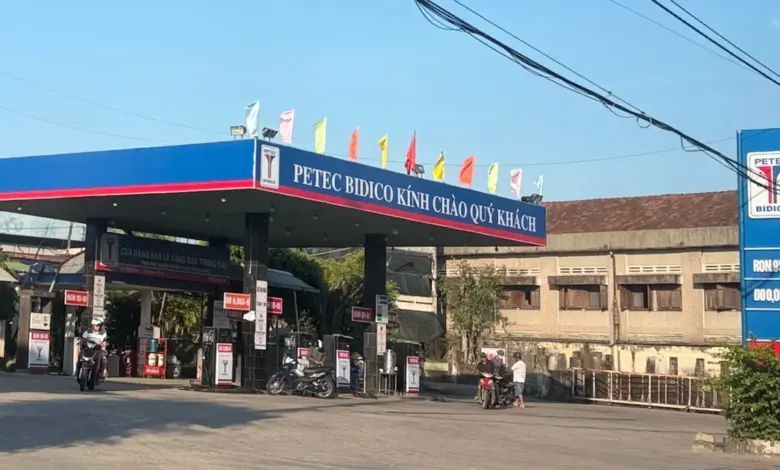
From 3 PM on October 22, the maximum selling price for E10 RON 95-III gasoline was adjusted down to 25,213 VND/liter, a decrease of 1,816 VND/liter. E5 RON 92 gasoline also saw a reduction, with its maximum price set at 25,361 VND/liter, down 1,610 VND/liter from the previous adjustment. This marks the second consecutive period of price decreases for domestic gasoline, following a previous series of six increases. The reduction is intended to alleviate fuel cost pressures for households and businesses, though actual prices at retail stations may vary based on individual sales policies.
In contrast, the price of 0.05S diesel increased by 444 VND/liter, bringing the maximum selling price to 29,550 VND/liter. The maximum selling price for 180CST 3.5S fuel oil was set at 23,373 VND/kg. Regarding the Fuel Price Stabilization Fund, regulators allocated 300 VND/liter for bio-gasoline. No funds from the stabilization fund were used for diesel or mazut during this period.
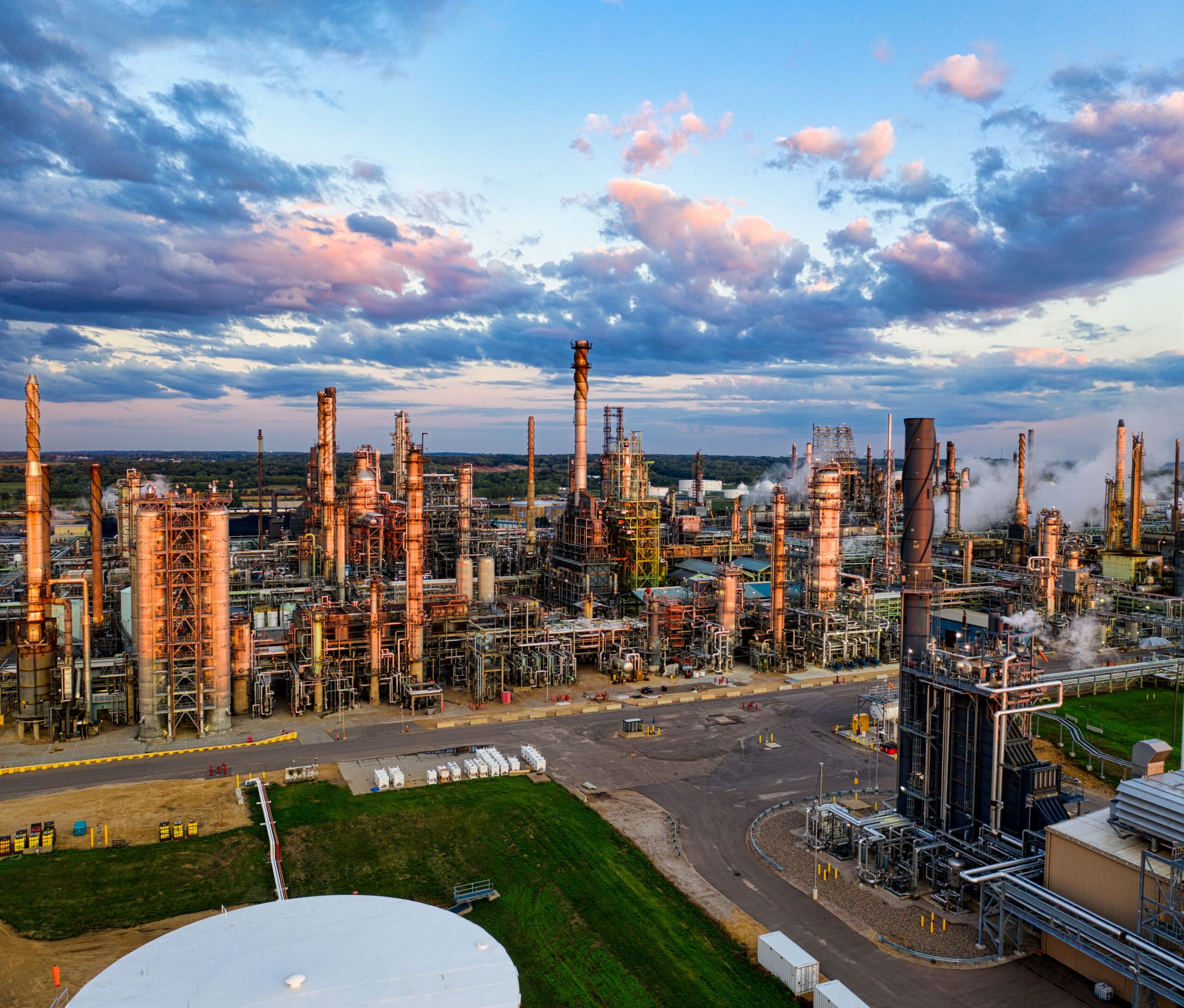
The domestic price adjustments occur against a backdrop of rising international oil costs. On October 22, Brent crude rose $2.82 per barrel to reach $111.64 per barrel, while US WTI crude increased by $2.24 per barrel to $99.39 per barrel. These gains were driven by tensions in the Middle East, which have raised concerns about potential disruptions to energy supplies. Geopolitical developments, shipping risks, and inventory fluctuations remain key factors influencing the global energy market.
The recent downward trend in Vietnamese gasoline prices stands in contrast to the upward trajectory of global benchmarks. While the domestic market has seen relief for gasoline consumers, the rise in diesel costs and global crude prices underscores the volatility currently affecting energy markets. The distinction between the falling gasoline prices and rising diesel prices highlights the complex dynamics of fuel pricing in Vietnam, where different petroleum products are adjusted based on varying market conditions and stabilization fund mechanisms.
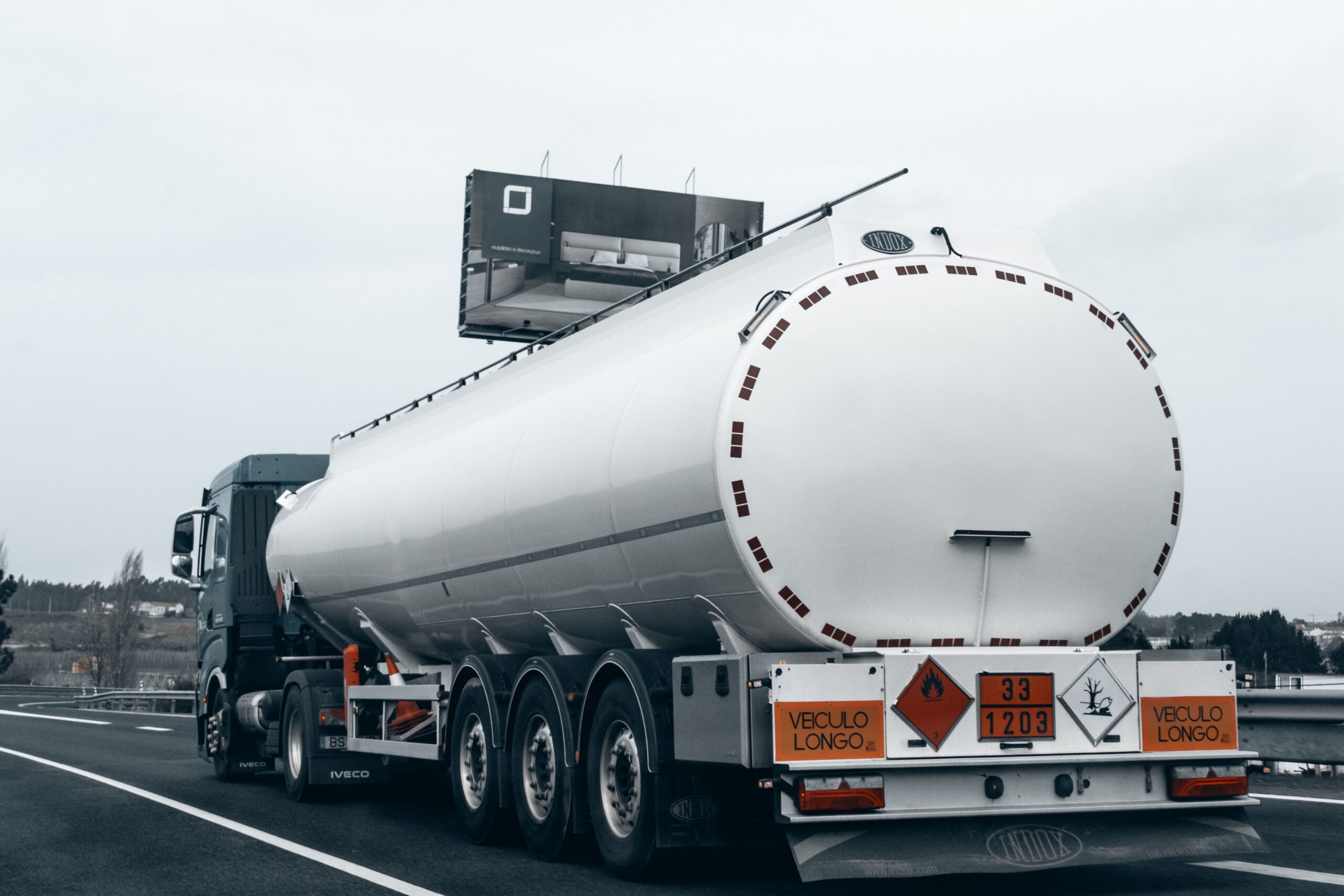
Market participants are watching closely to see if the current trend in gasoline prices continues or if the rising cost of diesel and global crude will force further adjustments in upcoming periods. The interplay between domestic policy decisions and international supply risks remains a critical factor for energy security in the region.