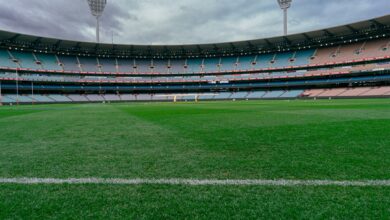

The stakes of this upcoming fixture extend beyond the pitch. To host a match of this caliber, the DFB has imposed specific infrastructure mandates that the club must meet before the first leg takes place. These requirements include the installation of a dedicated TV tower with a commentary booth, the preparation of proper camera positions, and the establishment of interview areas. While these technical upgrades are substantial, the most visible transformation is occurring in the historic main stand, where a complete seating replacement is underway.
Work on the stadium began immediately following the final league match against 1. FC Magdeburg II reserves. The process involved the removal of old plastic seats, which were subsequently offered to the fan base. Each seat was priced at €30, and the demand was immediate and strong. Approximately 650 of these historic seats have already been sold to fans, with several hundred more stored for sale through the club shop. This initiative not only cleared the space for new infrastructure but also provided a tangible connection for supporters to the club’s history, even as the physical structure of the ground evolves.
The replacement infrastructure is being installed at an express pace to comply with the DFB’s timeline. On May 19, approximately 1,200 new blue-and-white seats were delivered to the Probstheida district of Leipzig. These modern seats, which replace the older plastic models, are currently being installed onto a newly laid fire-resistant base layer in the main stand. The sheer volume of work required in such a short window has necessitated a mobilization of resources beyond the club’s professional staff.
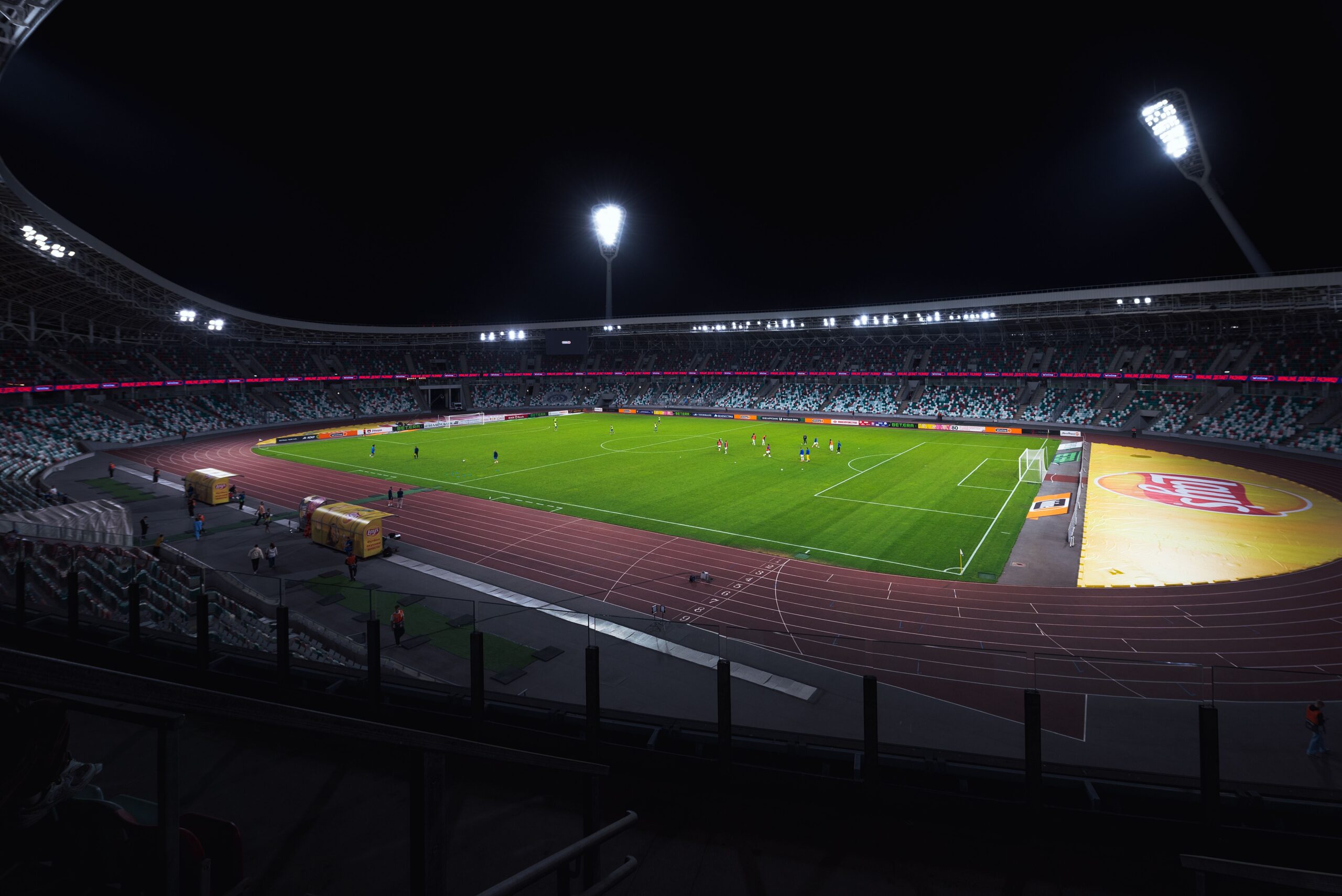
From the outset, club officials acknowledged that completing this project within a few days would be nearly impossible without significant external support. Members of the construction committee and Lok Leipzig supporters have actively joined the labor, assisting with the transporting and installation of the new seats. The effort has included participation from older fans and retirees, who have chosen to contribute to the preparations. One participant noted that this active involvement offers a sense of achievement and keeps them engaged, a sentiment that underscores the community-driven nature of the club’s operations.
Spokesperson Carsten Muschalle addressed the technical demands of the DFB, reassuring stakeholders that the club was prepared. “This is generally not a problem; we planned for it in advance and knew what to expect,” Muschalle stated. This pre-planning is evident in the coordinated effort to handle both the cosmetic and technical upgrades simultaneously. The modernization is not limited to the seating and media infrastructure; the club is also preparing for a partial replacement of the floodlights and has already begun installing a pitch heating system to meet higher professional standards.
These upgrades come at a significant financial cost. Lok Leipzig is investing approximately €250,000 in the stadium renovations. To help finance this project, the club launched the “Leipzig is coming!” campaign, which has raised over €22,000 in donations. This funding model reflects the club’s strategy of leveraging fan support to bridge the gap between regional football and the professional tiers. The investments are intended to lay the groundwork for a potential step up to professional football, ensuring that the Bruno-Plache-Stadion is compliant with the regulatory and technical demands of the 3. Liga.
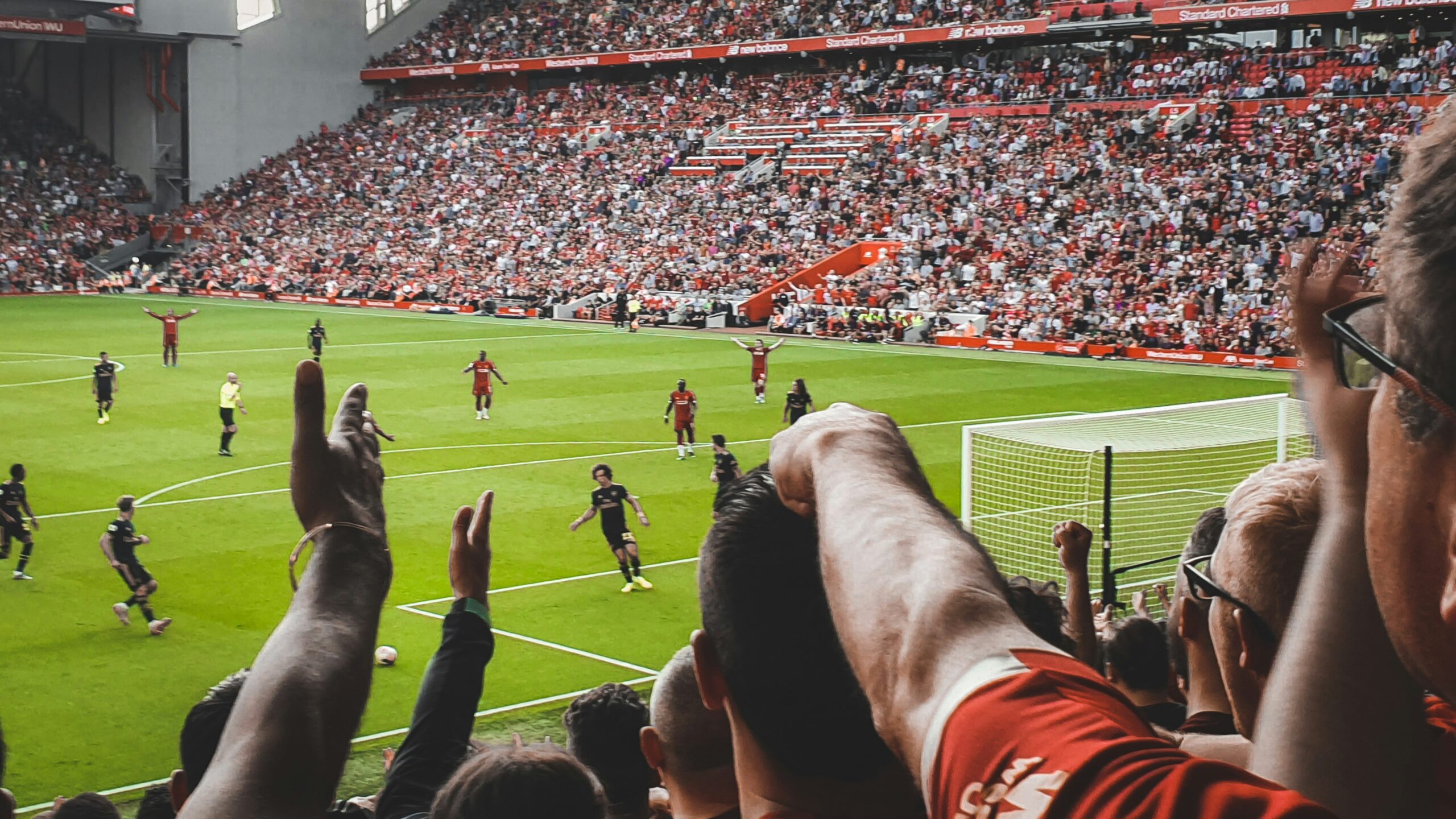
The competitive context for the upcoming play-off is clear. Lok Leipzig has won the Regionalliga Nordost, but promotion is not automatic. They must defeat Würzburger Kickers in a two-legged tie to secure their place in the third tier of German football. The first leg on May 28 will be the first test of the newly upgraded venue. The successful installation of the 1,200 seats and the TV infrastructure by this date is a prerequisite for the match to proceed under DFB regulations. The convergence of these logistical milestones with the competitive challenge creates a high-pressure environment for the club, where the success of the stadium upgrade is as critical to the season’s outcome as the performance on the pitch.
As the installation teams work to secure the final seats and finalize the media setups, the focus remains on the upcoming clash. The ability to host the play-off in a fully compliant facility is a testament to the club’s organizational resilience. With the physical preparations reaching their final stages, all attention turns to the footballing contest itself, where the result of the first leg will set the tone for the remainder of the promotion campaign.