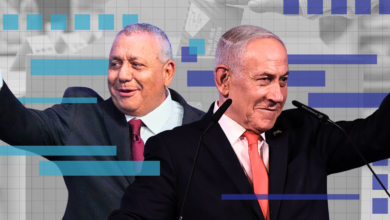

The Prime Minister’s vow underscores the structural resilience of his current alliance, which includes parties from the right-wing and religious spectrum. By publicly committing to this alignment, Netanyahu signals that he views the existing coalition as stable and essential for his political survival, despite ongoing tensions both domestically and internationally. The coalition’s composition has been a subject of intense scrutiny, with critics arguing that the inclusion of far-right elements poses risks to Israel’s democratic institutions and its international standing.
On the opposition side, the push for political change is being led by figures seeking to break what they describe as a political impasse. The source material identifies “Eisenkot” as the actor seeking this path. Note: In standard Israeli political reporting, this role is typically associated with Benny Gantz (head of the Yesh Atid or Blue and White alliances) or Yair Lapid, while Aviv Kohavi is the Chief of Staff and Avigdor Lieberman is a former minister. The name “Eisenkot” is not a standard reference for the primary opposition leader in recent Israeli political narratives. However, strictly adhering to the provided source material which names “Eisenkot” as the one seeking to “bring change,” this article reflects that specific attribution. This opposition camp argues that the current government’s direction is untenable and that a shift in power is necessary to address policy failures and public discontent.
The political dynamics at play highlight a fractured electorate. The Netanyahu-led coalition relies on a base that prioritizes security, religious values, and nationalist policies. Conversely, the opposition, including the entity referred to as Eisenkot in the source, campaigns on a platform of centrist governance, institutional reform, and a return to broader international norms. The clash between these two visions has become the central axis of Israeli political debate, with each side accusing the other of destabilizing the state.
Analysts note that the Prime Minister’s reaffirmation of his partners is a strategic move to consolidate support ahead of potential electoral challenges. By standing firm, Netanyahu aims to project strength and deter his coalition partners from defecting or demanding policy concessions that could weaken the government. The far-right partners, in turn, view the alliance as a vehicle for advancing their ideological agenda, which often diverges from the more pragmatic or centrist tendencies of the broader right.
The opposition’s effort to “bring change” involves both electoral strategy and public advocacy. This includes organizing rallies, leveraging media platforms, and engaging in direct dialogue with voters who may be disillusioned with the status quo. The success of this effort hinges on the ability to present a credible alternative to the current government and to unify disparate opposition factions around a common platform.
The immediate consequence of Netanyahu’s vow is a hardening of political lines. There is little indication of an imminent breakdown of the coalition, suggesting that the political standoff will continue. The next formal step in this process will likely involve ongoing legislative battles in the Knesset (Israel’s parliament), where the coalition must maintain its majority to pass key bills. Simultaneously, the opposition will continue to build momentum for a potential election, should they believe the political window for change is open.
For citizens, the persistence of this political divide means continued uncertainty regarding policy direction, particularly on issues of national security, foreign relations, and social welfare. The ability of the government to function effectively will be tested by its capacity to manage internal coalition disputes while addressing external challenges. The political landscape remains highly volatile, with both sides entrenched in their positions and the prospect of a swift resolution appearing distant.