The pension reform bill, approved by Congress late on Monday, December 18, represents a fundamental shift in how Argentina manages its social security system. The legislation introduces a new formula for adjusting pensions to inflation, a change that critics argue will substantially reduce the final income of beneficiaries. The reform is projected to affect approximately 17 million retirees and a welfare program designed to support poor families. By altering the bi-annual increase mechanism established in 2017, the government aims to curb public spending during a period of severe economic crisis. Proponents of the bill frame it as a necessary fiscal correction to stabilize the economy, while opponents contend it forces the working class to bear the burden of the crisis through drastic cuts to essential social benefits.
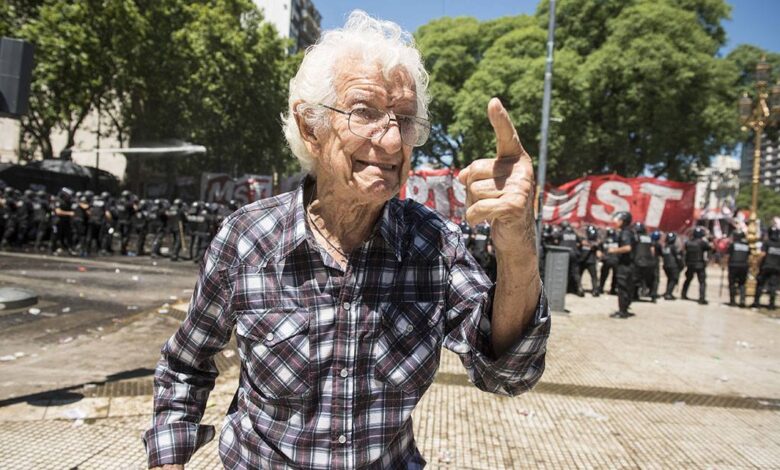
The path to the bill’s passage was marked by sustained civil unrest and confrontations with law enforcement. The legislative debate culminated in a late-night session on Monday, but the political friction had been building for days. On Thursday, December 14, a massive march against the reform forced Congress to take a recess, indicating the scale of public opposition. Images from that day and subsequent protests showed youth assisting elderly citizens through clouds of tear gas, a visual testament to the solidarity within the protest movements.
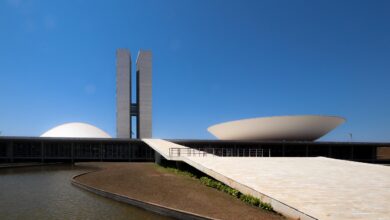
On Monday, December 18, the tensions escalated into widespread disorder. Hundreds of participants engaged in road blocks across Buenos Aires, while multiple sectors of the workforce joined strikes. Teachers, public-sector workers, and transportation employees halted operations, and airport workers declared a work stoppage that resulted in the suspension of all flights entering and leaving the country, causing significant disruption for international travelers. As the day progressed, thousands gathered outside the National Congress to protest the bill. Police forces responded with water cannons, tear gas, and rubber bullets to disperse the crowds, establishing a perimeter that prevented protesters from approaching the legislative building. In return, demonstrators threw rocks at the police lines.
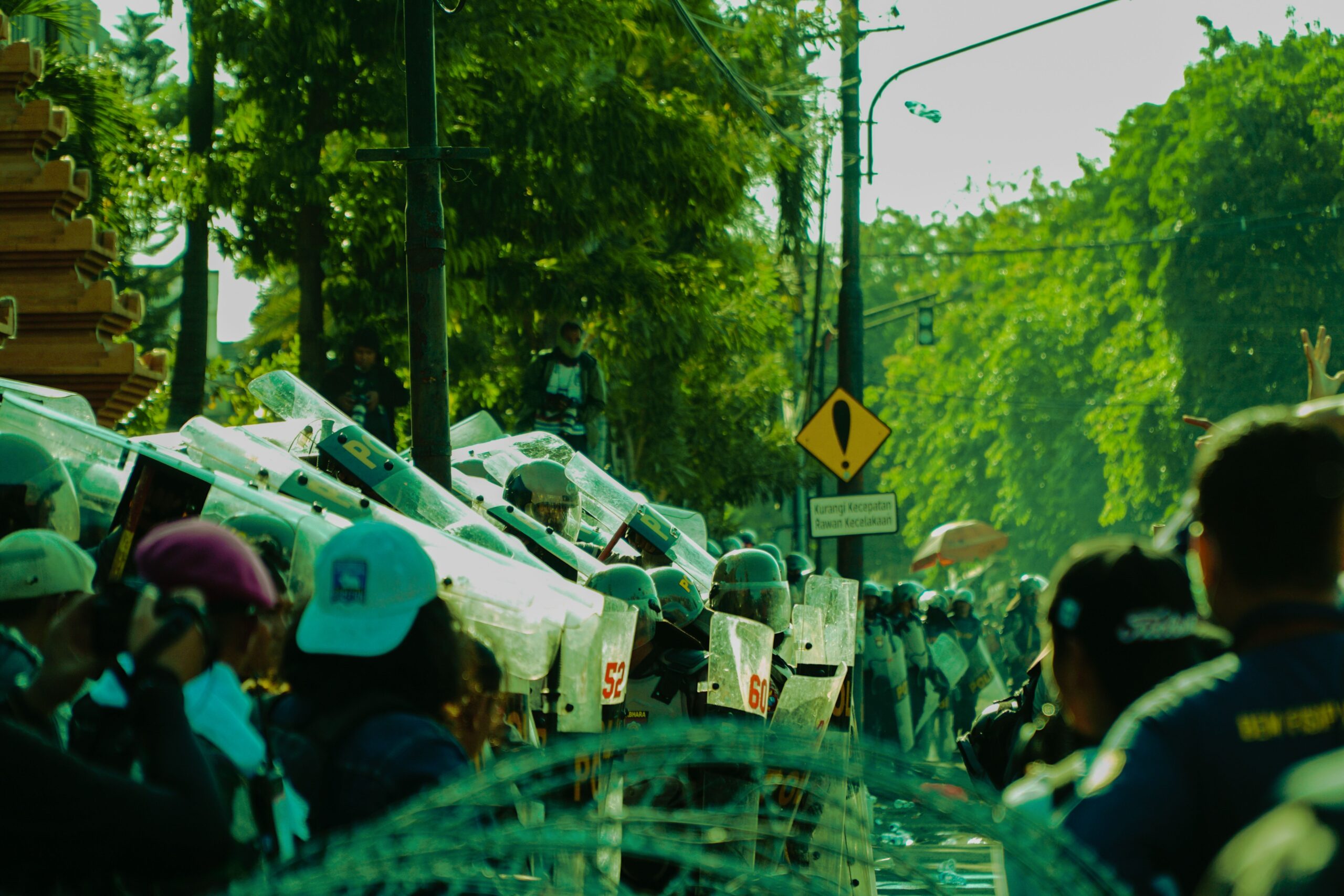
The protests extended deep into the night, with residents in various neighborhoods banging pots and pans—a traditional form of protest in Argentina—to signal their opposition. Text messages circulated urging citizens to join the demonstration outside Congress, where the debate continued until the early hours. By 9 p.m., the sounds of these “cacerolazos” were audible across the city, marking the beginning of another round of mobilization.
Political leaders from the left and the Workers’ Front voiced strong opposition to the legislation during these events. Nathalia González Seligra, a representative of the Party of Socialist Workers, warned of further unrest, stating, “If there is no bread for retirees, you will have no peace.” Nicolás del Caño, also of the Party of Socialist Workers, criticized the economic logic underpinning the reforms, drawing parallels to global right-wing policies. “They feed us the story that if we cut taxes for the wealthy, jobs will be created. That’s the same story that Donald Trump, Macri’s friend in the US, is telling. But it’s a formula that only benefits large corporations, the millionaires and especially the ultra millionaires,” Del Caño said.
The impending veto by President Milei underscores the deep institutional rift in Argentina. While the Congress, dominated by a coalition that included support for the reform, managed to push the bill through despite the public backlash, the executive branch is now preparing to block the measure. This procedural step is a formal response to the legislation and highlights the limits of the government’s ability to implement its economic agenda without facing significant legislative and public resistance. The veto sets the stage for further political maneuvering, as the Congress may attempt to override the presidential decision, a process that requires a supermajority. For now, the immediate consequence is a deepened polarization in Argentine politics, with the government facing both domestic unrest and the challenge of maintaining its fiscal reform program. The next formal step will be the official notification of the veto and any subsequent legislative attempts to sustain the pension changes.