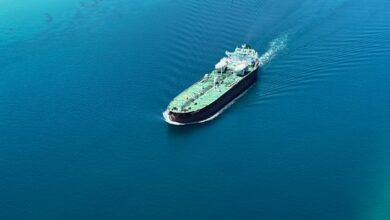
The IRGC justified the engagement by claiming the vessels were in violation of maritime regulations. The spokesperson stated that the tankers had disabled their navigation and identification systems, allegedly to “pass covertly through an unauthorized route in the Strait of Hormuz with the support of the terrorist US military.” Following the incident, the tankers were brought to a halt. In a statement, the IRGC declared that the owners of the oil tankers would bear full responsibility for all consequences resulting from this “unauthorized transit and the disregard for safety and maritime warnings.”
Independent maritime monitoring corroborated the occurrence of an attack, though initial details differed slightly in scope. The United Kingdom Maritime and Trade Operations (UKMTO) Center announced that an oil tanker passing through the strait was hit by an unknown projectile earlier on Sunday. This report was based on information from the master of a nearby tanker, who reported that the other vessel had been struck. While the UKMTO confirmed a single vessel was hit by a projectile in its initial report, the IRGC’s subsequent statement identified two tankers affected by mines, highlighting a discrepancy in the immediate accounting of the incident that remains under verification.
This attack is part of a broader pattern of escalating tensions in the region. Since the outbreak of the conflict between the United States and Iran in February, there have been repeated attacks on commercial shipping in and around the Strait of Hormuz. Iran has systematically targeted vessels it deems to be violating its restrictions on passage through the strategic waterway. These actions appear designed to assert Iranian control over the strait and exert pressure on Washington, disrupting global energy flows and challenging US naval dominance in the area.
The military significance of these incidents lies in the potential for a complete blockade or severe disruption of the strait, which handles a substantial fraction of global oil trade. By laying mines and engaging ships in what it designates as “prohibited and unsafe waters,” Iran is leveraging geographic leverage to influence the geopolitical standoff with the United States. The IRGC has explicitly warned that “any movement, infiltration, or provocative action within areas under the surveillance of the Armed Forces of the Islamic Republic of Iran will be met with a decisive and proportionate response.”
Contextualizing this Sunday’s incident, the IRGC Navy spokesperson had previously announced on Friday that two enemy oil tankers, which had disabled their tracking systems, were involved in an incident in waters south of the strait after ignoring radio warnings. On the same day, Iran claimed to have destroyed a US unmanned vessel in the eastern Strait of Hormuz. The IRGC stated that an “enemy vessel operating within the operational zone east of the Strait of Hormuz was struck and destroyed by the brave personnel of the Army Navy.” However, there was no immediate confirmation of this claim from the US military, leaving the status of that specific engagement unverified by Washington.
The political backdrop to these military actions is tense. US President Donald Trump has warned Iran to make a deal, stating that the conflict is set to end soon. This diplomatic pressure accompanies the continued military friction in the Gulf. The US military’s presence in the region is described by the IRGC as supporting the “covert” passage of commercial vessels, a characterization that underscores the deep distrust and attribution of blame that characterizes the current US-Iran confrontation.
The capabilities and limitations of both sides are evident in these incidents. Iran utilizes naval mines and asymmetric tactics to threaten high-value commercial targets and US naval assets without engaging in direct, large-scale conventional warfare. This approach allows Tehran to inflict economic and strategic costs on the US and its allies while managing the risk of a full-scale regional war. Conversely, the US maintains a significant naval presence to ensure freedom of navigation, though the IRGC’s claims of destroying US unmanned vessels suggest an ongoing contest for control of the maritime domain.
What remains disputed is the precise legality and scope of Iran’s restrictions. Iran asserts that certain routes are “unauthorized” and unsafe, while international maritime law generally guarantees freedom of navigation through such straits. The US and its allies likely view Iran’s mine-laying and attacks as acts of piracy or aggression against international shipping. The exact number of casualties, if any, among the crews of the two tankers has not been detailed in the provided sources, nor has the extent of the environmental damage from the oil fire been quantified.
As the flames continue to burn on the supertanker and the second vessel remains damaged, the incident serves as a stark reminder of the volatility in the region. The next confirmed development will likely involve the US military’s official response to the IRGC’s claims regarding the destroyed unmanned vessel and the specific circumstances of the tankers’ navigation. Until then, the Strait of Hormuz remains a flashpoint where diplomatic negotiations and military brinkmanship intersect, with global energy markets and regional security hanging in the balance.