
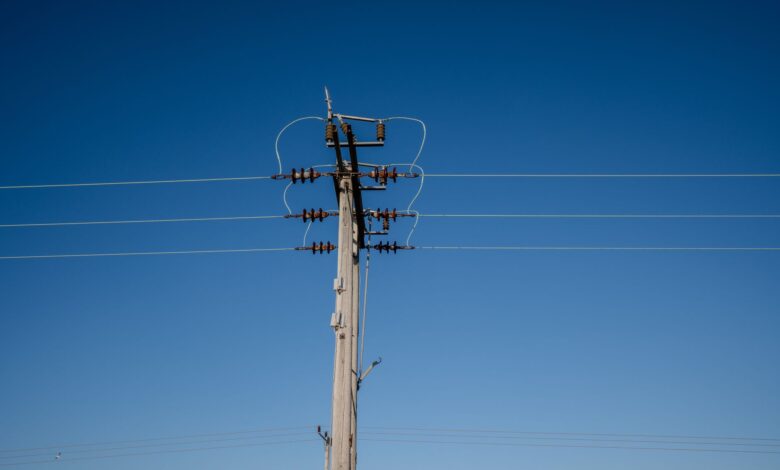
The scale of the recent offensive is substantial. According to Ukrainian President Volodymyr Zelenskyy, Russia launched 289 attack drones, 17 ballistic missiles, and 59 cruise missiles across nine regions of Ukraine. The strike package specifically targeted power generation facilities and substations in the Odesa, Cherkasy, Zhytomyr, Vinnytsia, Kharkiv, Dnipro, Chernivtsi, Chernihiv, and Rivne regions. The Russian Ministry of Defence stated that these sites supplied power to the Ukrainian military and industrial facilities, while Zelenskyy characterized the action as a “complex, massive attack” aimed at degrading Ukraine’s resilience.
The operational impact has been immediate and severe. In the Zhytomyr region, more than 180,000 people were left without electricity on Tuesday morning, according to local Governor Vitalii Bunechko. Odesa has implemented scheduled power outages in response to the damage. The attacks also struck a city clinical hospital in Kharkiv, injuring at least 73 people and causing heavy structural damage, including the shattering of more than 1,000 windows, confirmed by Kharkiv Mayor Ihor Terekhov. In the Dnipro area, a separate attack damaged a hospital and an outpatient clinic, resulting in one death and 17 injuries, with rescuers retrieving a survivor from the rubble on Tuesday morning.
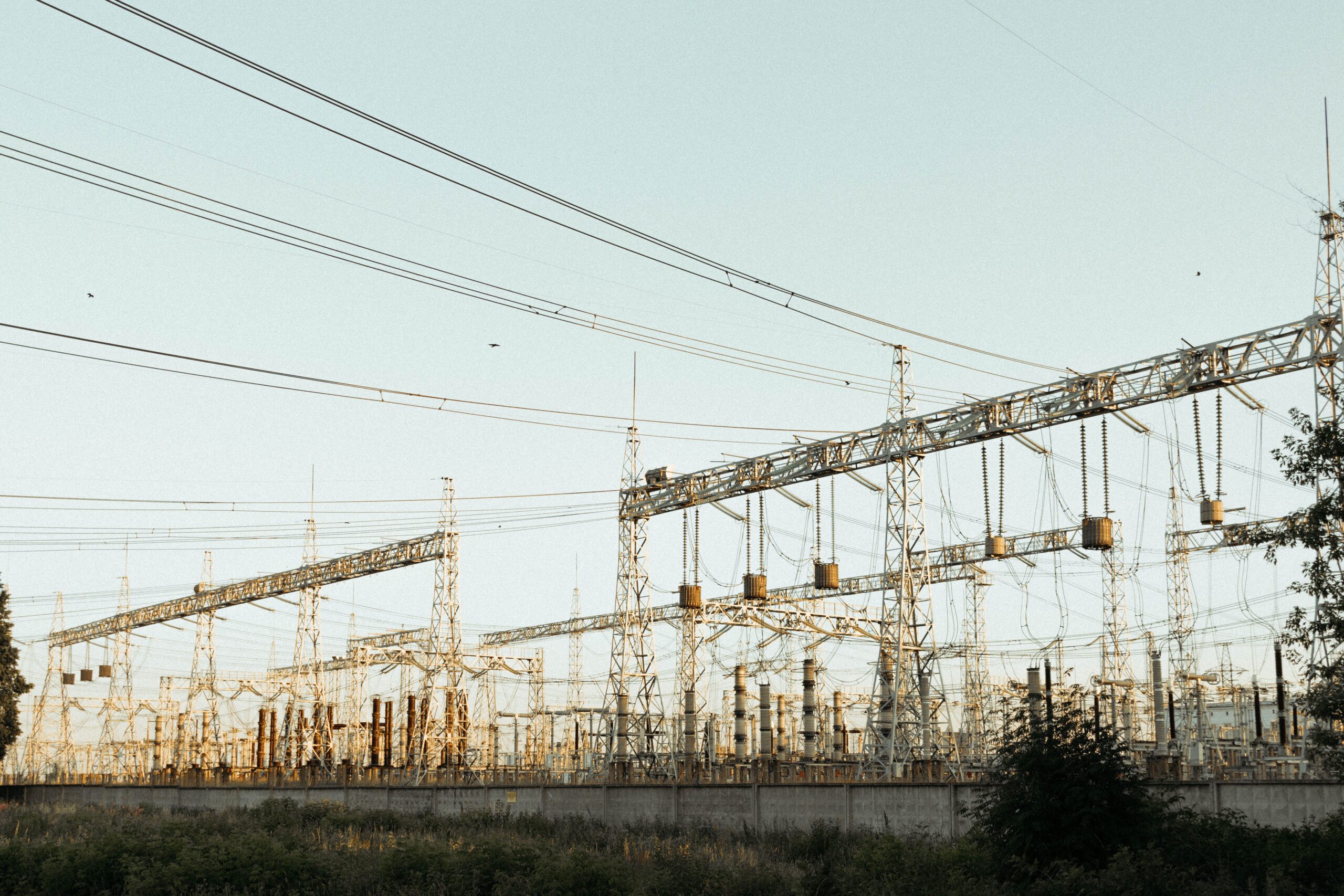
Compounding the strategic pressure are the consequences of a guided-bomb attack on Komyushuvakha, a village in the southern Zaporizhzhia region. The death toll from this incident, which targeted a school building used to distribute humanitarian aid and a nearby shelter, rose to 29 on Tuesday, with 48 people still missing. Mykhailo Semikin, the acting head of the regional military administration, confirmed that the victims included four police officers and two rescue workers. This attack occurred despite a limited humanitarian ceasefire recently agreed upon by both sides for the nearby city of Oleshky in the Kherson region.
The timing of these strikes coincides with significant diplomatic and political developments. The barrage aligns with the U.S. midterm elections, a fact Zelenskyy highlighted, stating, “The Russians think America won’t notice this signal of theirs.” He emphasized the need for continued Western support for Ukraine’s air defense capabilities. Meanwhile, three-way peace talks between the United States, Russia, and Ukraine are scheduled for November 10–11 in Abu Dhabi. Kremlin spokesperson Dmitry Peskov confirmed that Vladimir Medinsky, an aide to Russian President Vladimir Putin, will lead the Russian delegation. U.S. Special Envoy Steve Witkoff stated that discussions will focus on post-war security arrangements, de-escalation, and humanitarian efforts, with additional meetings planned in Brussels involving European and NATO partners.
Western support for Ukraine has shifted since Donald Trump’s return to office, with the U.S. withdrawing direct financial support and allowing other nations to procure weapons on Kyiv’s behalf. Germany has emerged as a key supporter, with Chancellor Friedrich Merz meeting with Zelenskyy in Berlin to reaffirm commitments ahead of the peace talks. However, questions regarding U.S. loyalty have arisen following a diesel deal struck with Russia and antagonistic statements directed at the Ukrainian leadership. Al Jazeera correspondent Audrey MacAlpine noted that since the change in U.S. administration, significant military aid packages have stalled, a gap largely filled by European contributions.
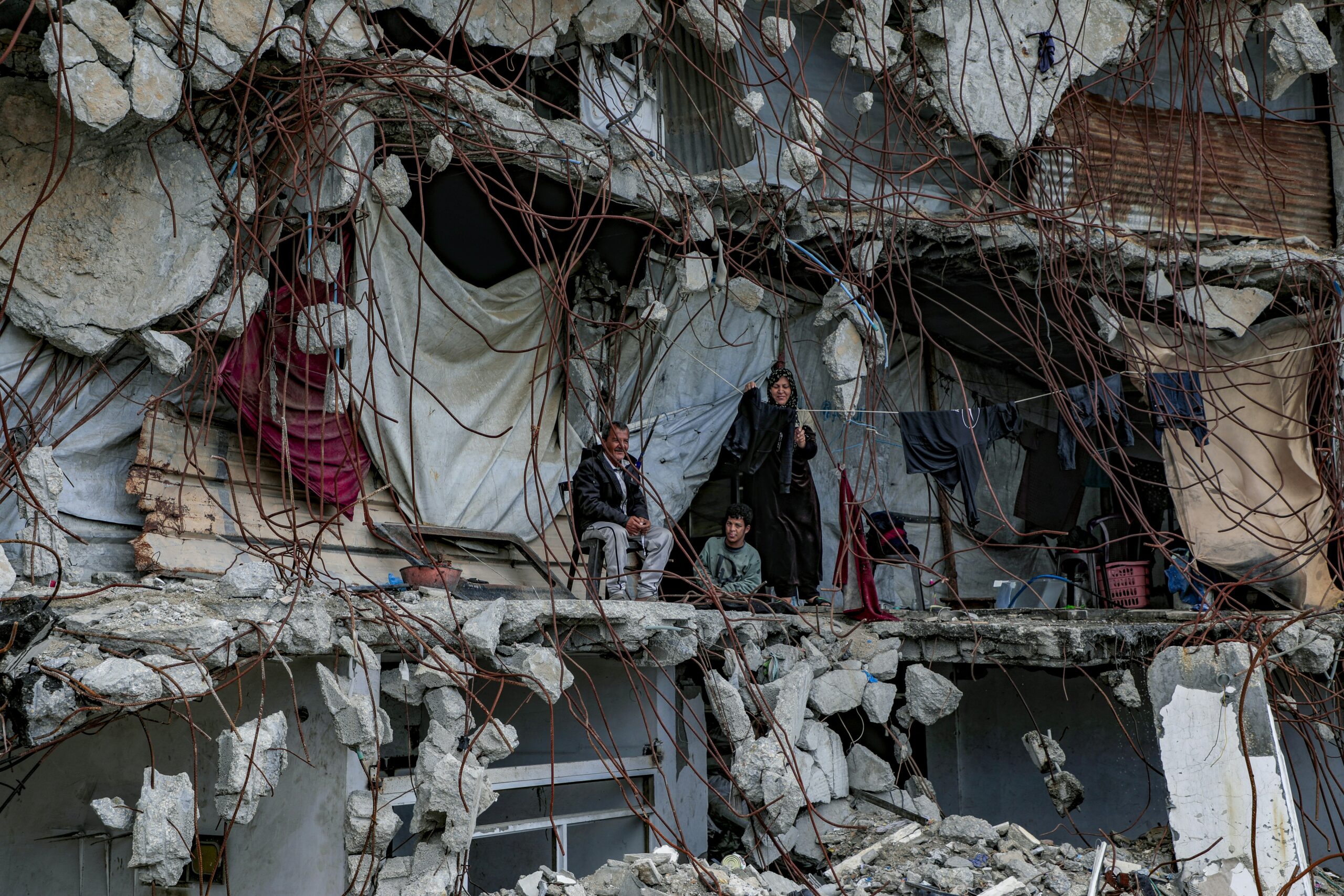
On the defensive front, Ukrainian authorities reported that they intercepted the majority of incoming threats, though the damage to energy infrastructure indicates that a portion of the 365 reported projectiles successfully impacted their targets. Russia’s Defence Ministry claimed to have shot down 856 Ukrainian drones overnight, a figure that reflects the intensity of the persistent drone warfare on both sides of the front. The continued targeting of civilian infrastructure and humanitarian sites raises serious concerns regarding international humanitarian law and the humanitarian consequences for the Ukrainian population, who face a winter season with compromised energy security.
The upcoming negotiations in Abu Dhabi will be critical in determining whether a sustainable de-escalation can be achieved amidst these ongoing military operations. The effectiveness of Ukraine’s air defenses in mitigating future strikes will be a key factor in both the humanitarian crisis and the broader strategic balance.




One Comment