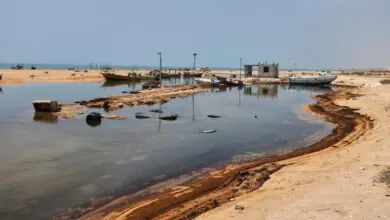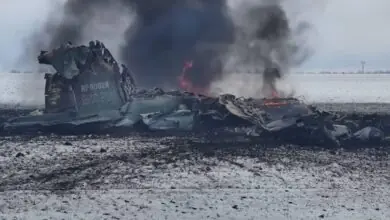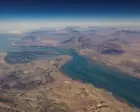
According to Iran’s official news agency IRNA, multiple explosions occurred at short intervals on Qeshm Island, a strategically vital landmass situated at the mouth of the Strait of Hormuz. Local residents reported seeing two aircraft in the sky, and the intensity of the blasts suggested impacts within the island’s interior. While Iranian authorities have not yet issued a formal statement confirming the cause of the explosions or the nature of the US attack, the timing and location align with US media reports identifying the targets as SAM launch ramps.
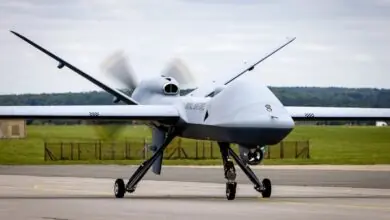
An unnamed US official confirmed to media outlets that the strikes were “limited in scale” and explicitly “defensive in nature.” The official stated that Iranian forces attempted to target a US military aircraft with a surface-to-air missile, prompting the US to neutralize the specific launch pad in question. This tactical action distinguishes the incident from broader offensive campaigns, framing it as a counter-battery measure to protect air assets rather than an escalation toward full-scale hostilities. US Central Command did not immediately respond to requests for comment, but The Wall Street Journal noted that these strikes are part of a series of operations in recent weeks that the Trump administration has deliberately kept secret to avoid signaling a resumption of the military campaign.
The strikes coincide with a period of heightened diplomatic activity. Hours before the explosions were reported, US Vice President JD Vance told reporters that he and President Donald Trump were “optimistic” about securing a negotiated settlement with Iran. “The president and I both feel pretty good about the prospects for potentially coming to a negotiated settlement,” Vance said, noting that indirect negotiations between Tehran and Washington had made progress. This diplomatic optimism stands in contrast to the physical reality of the strikes, creating a complex strategic signal: the US is maintaining military pressure to protect its forces while simultaneously asserting that diplomacy remains the preferred path to de-escalation.
Politically, the timing of the attacks is significant. They occurred on the eve of crucial US midterm elections, where the Republican party faces potential voter backlash due to the economic impact of the conflict, particularly rising fuel prices. President Trump, speaking to Fox News before polls opened on Tuesday, downplayed the severity of the conflict, stating, “There’s no war raging. It could happen if they don’t make a deal, but they want to make a deal very badly and there’s a very good chance we make a deal.” When asked if he considered resuming strikes after the elections, Trump replied “no.” In his closing campaign message, Trump highlighted a recent drop in oil prices, framing it as evidence of the administration’s successful diplomatic efforts.
Qeshm Island has been a recurring target throughout the conflict due to its strategic position in the Strait of Hormuz, a chokepoint for global oil trade. Iran has continued to enforce a closure of the strait by targeting oil tankers and commercial vessels, despite a cessation of broader attacks in recent weeks. The US strikes on SAM systems aim to degrade Iran’s ability to threaten US air superiority and protect shipping lanes. However, the distinction between tactical defensive strikes and strategic intent remains blurred for observers. While the US portrays the action as limited and necessary for force protection, Iran may view it as a violation of sovereignty that undermines the fragile diplomatic momentum.
The operational constraints of the strike suggest a calibrated approach. By targeting specific launch ramps rather than broader military infrastructure or leadership, the US appears to be managing escalation risks. The secrecy surrounding previous strikes, as noted by The Wall Street Journal, indicates a desire to control the narrative and prevent the military conflict from dominating the domestic electoral discourse. Nevertheless, the use of force, even in a limited defensive context, introduces new variables into the negotiation process. Iran’s reaction to the strikes will be a key indicator of whether diplomatic channels remain open or if the conflict risks reigniting.
As the US awaits the results of the midterm elections and monitors Iranian responses in the Strait of Hormuz, the situation remains volatile. The convergence of military action, diplomatic negotiations, and domestic political pressure creates a high-stakes environment where miscalculation could have significant consequences. The next 24 to 48 hours will be critical in determining whether the strikes are perceived as a temporary defensive necessity or a shift in strategy that complicates the path to a negotiated settlement.