
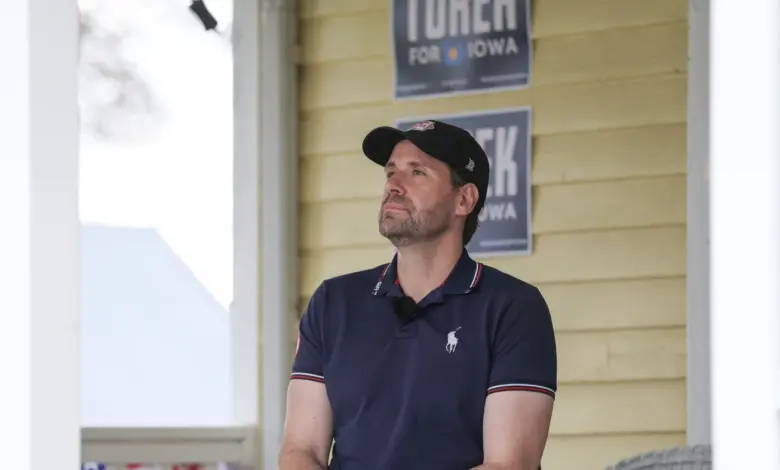
The outcome of this race, widely regarded as one of the most competitive U.S. Senate contests in the country, reflects a broader recalibration in Iowa politics. Turek, who describes himself as a “prairie populist,” campaigned heavily on healthcare reform. He specifically targeted Hinson’s support for the “One Big Beautiful Bill Act,” a legislative package that reduces Medicaid spending nationwide by nearly $1 trillion. Turek also contested Hinson’s political trajectory, claiming that her personal wealth had increased significantly during her tenure in Washington, although Hinson emphasized her record as a bipartisan lawmaker in an effort to sway the state’s large bloc of uncommitted voters.
The political dynamics of the race were heavily influenced by the national environment, particularly the declining approval ratings of President Donald Trump. As the election cycle progressed, Iowa’s race became increasingly competitive. The state’s agricultural sector, a cornerstone of its economy and political identity, faced significant headwinds from Trump’s tariffs and increased diesel prices attributed to the war in Iran. These economic pressures created a volatile environment for Hinson, who initially held a strong position as a front-runner. She had received President Trump’s endorsement shortly after announcing her candidacy, in a state that voted for Trump by a 13-point margin in 2024. However, by the summer months, the race was considered a toss-up, with some Republican candidates elsewhere beginning to distance themselves from the President.
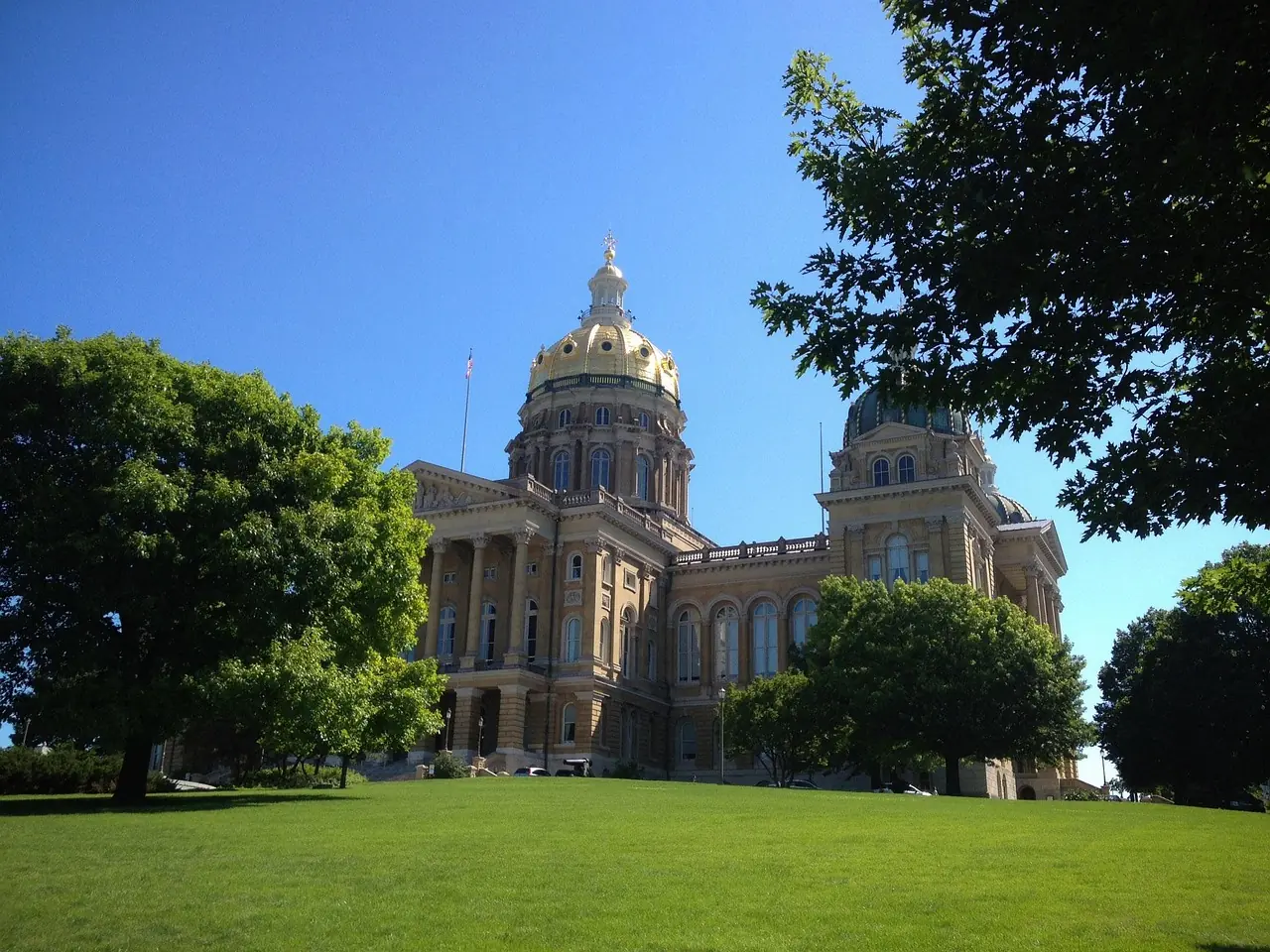
Turek’s path to the general election was not without its own challenges. A relatively unknown state lawmaker prior to the primary, he defeated Zach Wahls, the former state Senate minority leader, to secure the Democratic nomination in June. Turek brings a distinct personal history to the campaign, having been a two-time gold medalist in Paralympic basketball. He uses a wheelchair due to spina bifida, a condition he attributes to his father’s exposure to Agent Orange during the Vietnam War. This background provided a human dimension to his campaign, contrasting with Hinson’s profile as a former TV journalist who was viewed as a rising star in Iowa politics.
The financial scale of the contest was unprecedented, with federal spending data indicating that the two candidates together raised more than $30 million. However, the influence of outside money was even more substantial. According to OpenSecrets, outside groups contributed more than $100 million to the race. In the final quarter of the election, Turek significantly outraised his opponent, a factor that analysts suggest helped consolidate his support among undecided voters who were weighing the impacts of national policy on local livelihoods.

The implications of Turek’s victory extend beyond the statehouse in Des Moines. By flipping a seat that had been held by Republicans for over ten years, Democrats have gained a strategic advantage in the Senate, potentially altering the balance of power in national legislative debates. For Iowa voters, the result signals a willingness to hold incumbents accountable for national policies that affect rural economies and healthcare access. The race also highlights the growing role of external funding in determining the outcomes of competitive midterms, where the sheer volume of outside spending can reshape the narrative of local political contests.
As the dust settles on this pivotal election, the focus shifts to the composition of the new Senate delegation and the potential for bipartisan cooperation or continued gridlock in Washington. While Turek’s win cements a short-term Democratic gain, the underlying economic and political tensions that drove the campaign remain unresolved. The state’s agricultural community will continue to monitor federal trade and energy policies, while voters will look to their new senator to advocate for healthcare stability in a changing political climate. The next major political development will likely center on how the new Senate majority—or minority, depending on other results—approaches the legislative agenda for the coming year.


One Comment