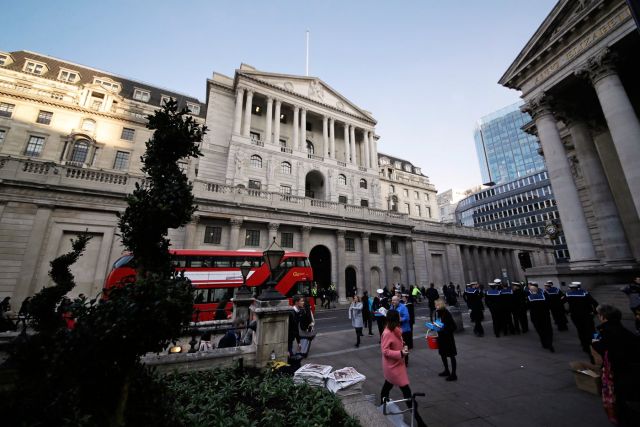
The rate hike to 4% represents a notable shift in direction for monetary policy, which had remained on hold for over three years. This period of stability had allowed borrowers and businesses to adjust to higher costs following earlier increases, but the sudden energy and supply shocks from the Iran conflict have altered the economic landscape. The bank’s decision underscores the difficulty of managing an economy facing simultaneous pressures: the need to support growth and employment versus the necessity of preventing inflation from becoming entrenched. By acting now, policymakers are attempting to stay ahead of price expectations, which can become self-fulfilling if workers and firms begin to anticipate higher costs permanently.
Crucially, the Bank of England did not signal that this was a one-off adjustment. Officials held out the option of further increases if the conflict escalates once again. This forward guidance introduces a new layer of uncertainty for financial markets and the broader economy. Businesses planning investments or long-term contracts must now factor in the potential for rising borrowing costs, while households with variable-rate mortgages may face increased monthly payments. The threat of further hikes serves as a deterrent against inflationary expectations, but it also carries the risk of slowing economic activity if the monetary tightening is perceived as excessive relative to the underlying economic fundamentals.
The primary driver of this policy move is the inflation shock stoked by the Iran war. While the specific mechanisms—whether through direct energy price spikes, shipping disruptions, or broader supply chain bottlenecks—are not detailed in the immediate announcement, the causal link between the geopolitical conflict and rising prices is clear to the central bank. This distinction is critical: this is not a demand-pull inflation driven by excessive consumer spending, but a supply-side shock. In such scenarios, raising interest rates is a more complex tool than in typical demand-driven inflation, as it can potentially contract the economy while the supply constraints remain. However, failing to act risks losing control over price stability, which would have more severe long-term consequences for wages and living standards.
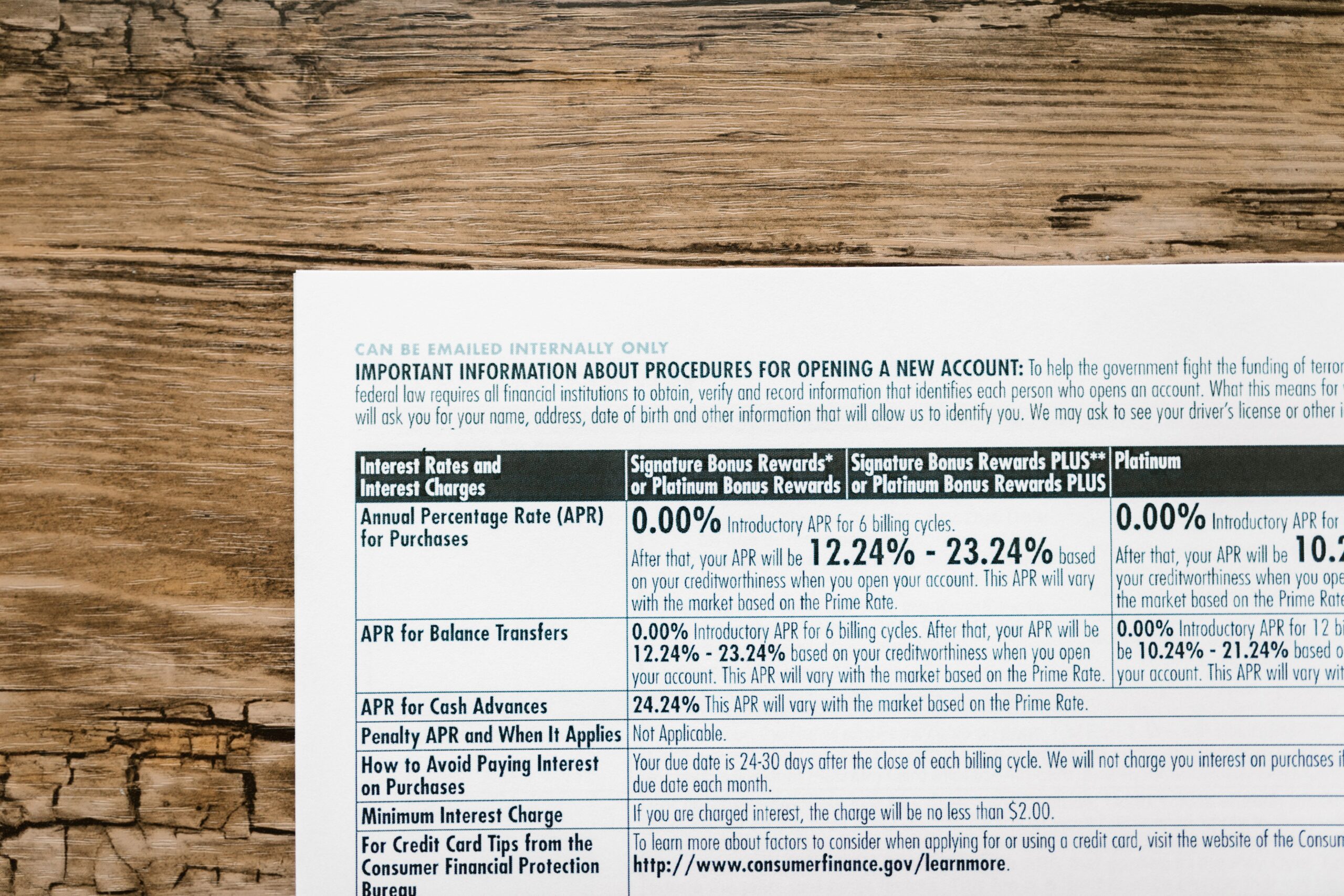
The impact of this decision will be felt across various sectors. Higher interest rates typically lead to higher borrowing costs for businesses, which can curb capital investment and expansion. For consumers, the increase in the Bank Rate will likely be passed on to variable-rate loans and credit cards, reducing disposable income and potentially dampening consumer demand. This reduction in demand is the intended mechanism to cool inflation, but it also poses a risk to employment if economic activity slows significantly. The balance between these effects is delicate, and the Bank of England will need to monitor economic indicators closely in the coming months to assess whether the initial hike has been sufficient or if further action is required.

Market reactions to the decision will be closely watched as a bellwether for global sentiment. As a major global lender, the Bank of England’s moves influence exchange rates and capital flows. A hawkish stance, signaled by the rate hike and the threat of further increases, could strengthen the British pound, making imports more expensive but potentially helping to curb imported inflation. Conversely, if the market perceives the risk of economic contraction as too high, it may interpret the move as a sign of policy distress rather than control. The distinction between a proactive measure to maintain price stability and a reactive scramble to manage a crisis will shape investor confidence in the UK’s economic resilience.
In the coming weeks, the focus will turn to the next inflation data release and any updates on the geopolitical situation. The Bank of England has set a clear path: if the Iran conflict escalates and fuel prices or supply disruptions worsen, further rate increases are on the table. This conditional approach allows the central bank to maintain credibility while avoiding premature tightening that could unnecessarily harm the economy. For now, the 4% rate stands as a firm commitment to tackling the inflation shock, marking a significant turning point in the UK’s monetary policy trajectory after more than three years of stability. The next steps will depend heavily on the trajectory of the war and the subsequent impact on global trade and energy markets.