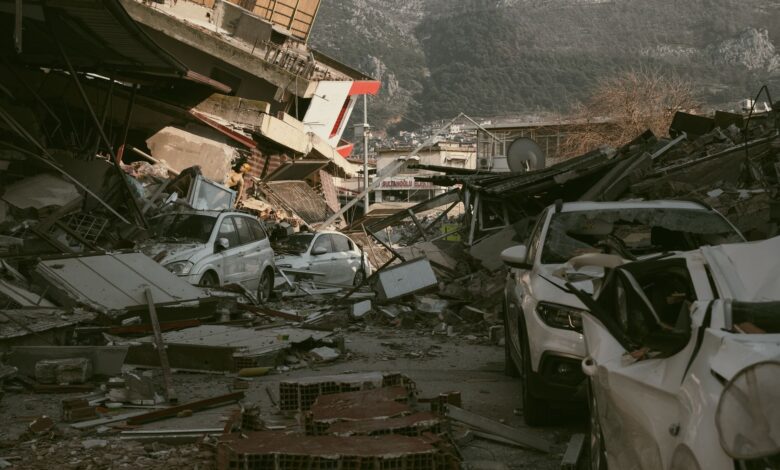
The incident occurred on Monday when Russian aircraft targeted a former school building that had been repurposed for weekly civilian aid handouts. President Volodymyr Zelenskyy described the sequence of events as a “double-tap” strike, a tactical term referring to a secondary attack aimed at first responders or civilians seeking shelter after an initial impact. According to Zelenskyy, after the first aerial bomb strike, a second wave consisting of nine additional bombs specifically targeted the underground shelter where residents had taken cover. This secondary impact caused the majority of the structural destruction. Among the confirmed fatalities are four police officers and two rescue workers, highlighting the risk faced by first responders during active hostilities.
Rescue operations are currently in their fifth day, but progress is limited by both the scale of the debris and the continued military threat. Local police reported on Wednesday that 59 people were listed as missing, a number that may overlap with the bodies already recovered. Crucially, officials stated that as many as 39 individuals may still be trapped under the rubble. To manage the identification process, specialists are collecting DNA samples from the recovered remains to assist in the identification of victims, a process that is both time-consuming and logistically complex in a war zone.
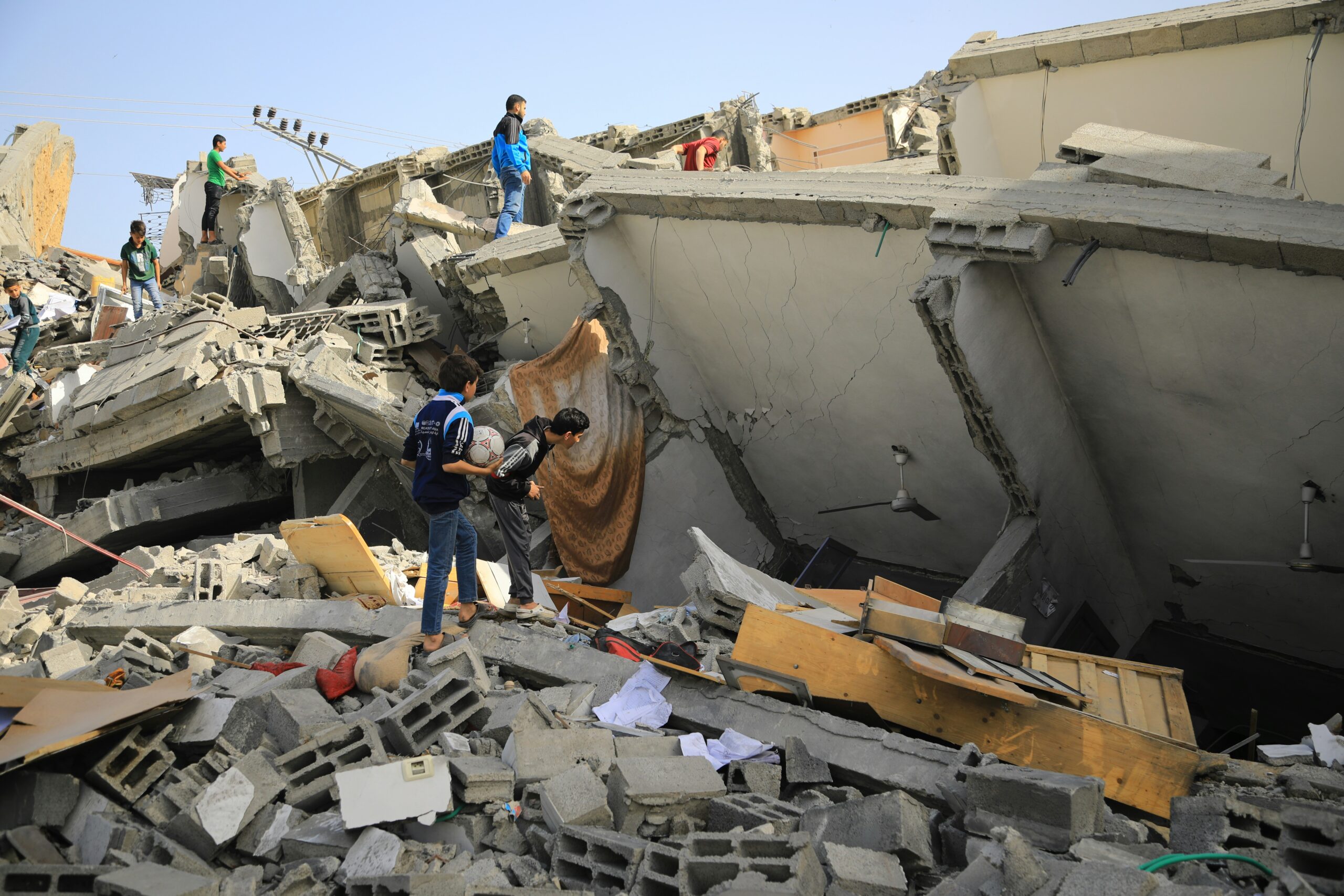
The operational environment for these rescue efforts is increasingly dangerous. Ukrainian authorities note that continuing Russian attacks remain a constant threat to the safety of rescue teams on the ground. The strike on Komyshuvakha occurred just one day after the expiration of a six-day ceasefire in the Russian-occupied city of Oleshky, suggesting a pattern of intense violence in the region. Furthermore, the broader theater of war remains active; on Thursday, both Russia and Ukraine engaged in mutual drone attacks that resulted in injuries on both sides, including a child. In the eastern Donetsk region, Russian strikes on Wednesday killed four civilians and injured five others, underscoring the widespread nature of the kinetic campaign.
From a legal and strategic perspective, the United Nations human rights mission in Ukraine has assessed that the strike was likely a breach of international law. The use of heavy aerial ordnance against a site designated for civilian aid, followed by a targeted strike on a shelter, raises significant questions regarding the distinction between military objectives and civilian infrastructure. Zelenskyy characterized the event as a “vile terrorist strike,” arguing it signals Moscow’s refusal to cease hostilities. While such statements reflect the political and diplomatic stance of Kyiv, they also highlight the strategic impasse where military pressure continues despite diplomatic overtures.
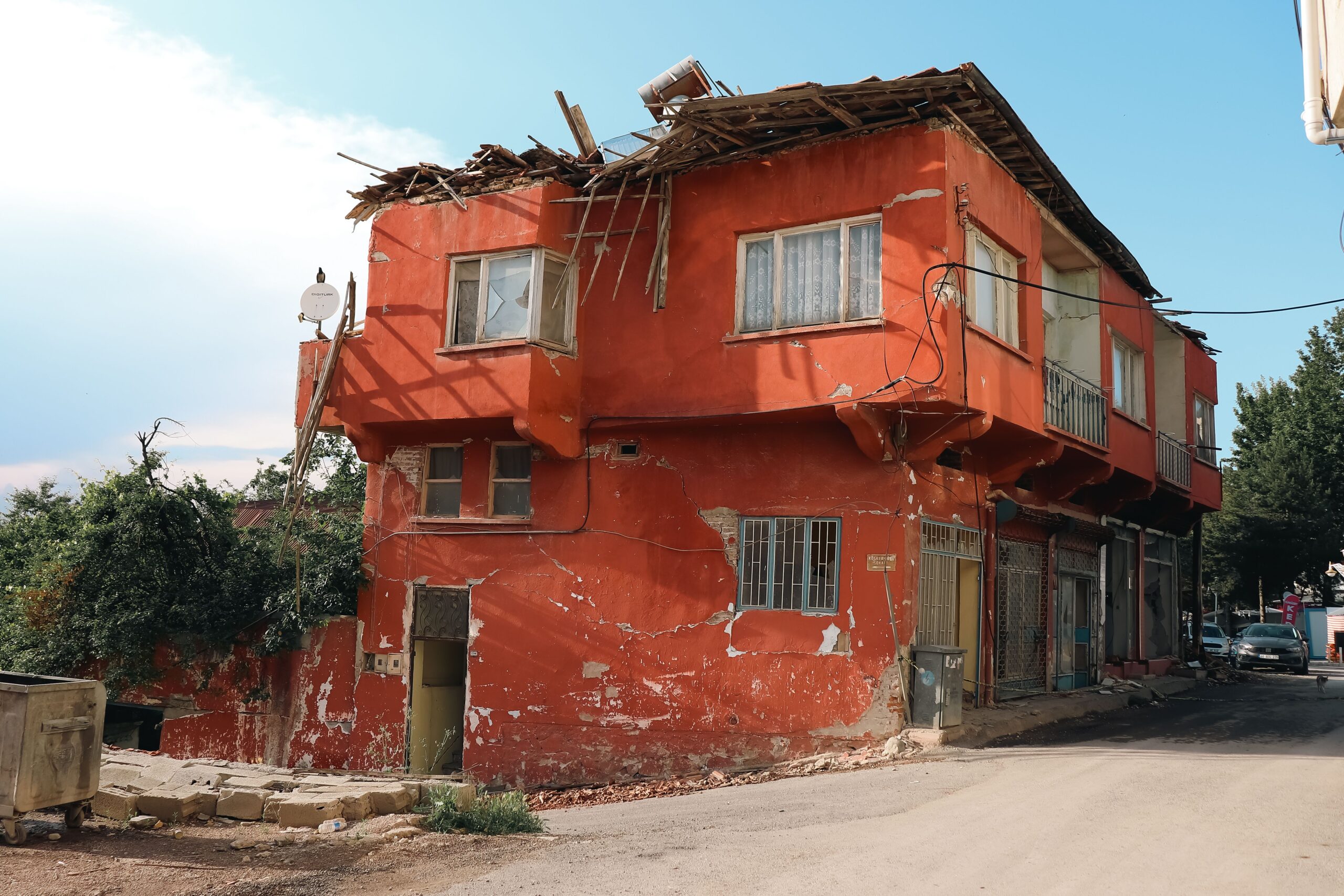
The humanitarian consequences extend beyond immediate casualties. The destruction of aid infrastructure in Zaporizhia disrupts food and supply chains for displaced populations, potentially exacerbating the humanitarian crisis. The presence of verified civilian casualties, including emergency personnel, serves as a focal point for international condemnation and legal scrutiny. However, on the battlefield, the strike does not appear to represent a change in Russian military capability or doctrine, but rather a continuation of air campaign tactics aimed at disrupting civilian logistics and morale.
As the search for the missing continues, the military situation remains fluid. Delegations from Ukraine and Russia are scheduled to meet in Abu Dhabi on November 10–11 for US-brokered talks. Previous rounds of negotiation have yielded limited progress, and the Komyshuvakha strike casts a shadow over the potential for de-escalation. The immediate military question remains whether the intensity of air strikes will abate in the lead-up to the diplomatic meeting, or if the kinetic campaign will continue at its current pace. Until independent verification of the final casualty count and the recovery of all trapped individuals is complete, the full human and tactical cost of the strike remains a developing situation.