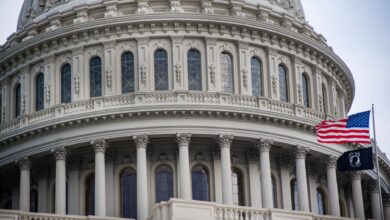
The decision to convene this meeting is the latest development in a complex and often contradictory American diplomatic strategy. While the Trump administration pushes for progress in broader peace negotiations, with the United States set to lead renewed trilateral talks in Abu Dhabi next week, the domestic political landscape has shifted dramatically. The recent midterm elections resulted in a decisive victory for Democrats, who captured full control of Congress. This outcome dealt a significant setback to President Donald Trump and his foreign policy agenda, injecting a new layer of uncertainty into how Washington will manage its relationship with both Kyiv and Moscow. The Kremlin stated it “sincerely hoped” that President Trump would continue his “peace-building efforts” despite the electoral results, while Ukraine offered no official response to the shift in power, though some within the country expressed cautious optimism that the Democratic surge might ease pressure from Washington.
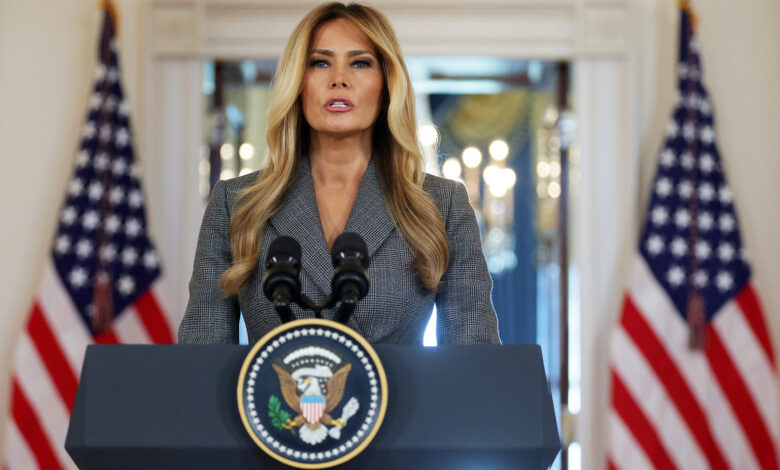
The immediate catalyst for this diplomatic engagement was a six-day humanitarian truce that began on October 27, allowing for the evacuation of hundreds of residents from Oleshky, a town in Ukraine’s southern Kherson region. With approximately 2,000 residents remaining in Oleshky on the brink of starvation, the cessation of hostilities represented the largest de-escalation effort since the war began. Pope Leo XIV and various European officials lobbied heavily for this specific ceasefire. In recognition of her role, Ukraine bestowed the Order of Princess Olga, 1st class, on Melania Trump on Wednesday, citing her “significant personal contribution to humanitarian support for Ukraine.” The White House characterized the achievement as an “unprecedented diplomatic initiative by an American First Lady.”

However, the optimism generated by the Oleshky truce exists in tension with broader strategic fractures. According to the Kremlin, Russia will be represented by Kirill Dmitriev, President Vladimir Putin’s special envoy, and Yana Lantratova, the human rights commissioner who coordinated the ceasefire on the Russian side. Ukraine has not officially confirmed its full delegation, but the presence of David Arakhamia, head of President Volodymyr Zelenskyy’s ruling faction in parliament, signals that high-level Ukrainian officials will participate. It remains unclear whether President Trump or his senior envoys, including special envoy Steve Witkoff and son-in-law Jared Kushner, will attend the Thursday gathering. The White House did not immediately respond to requests for comment regarding the specific objectives of the meeting or the presidential attendance.
The backdrop for these talks is one of strained relations. Ukraine has reported the worst collapse in its relationship with Washington since the war began. Last month, the Trump administration signed a deal to purchase Russian diesel and waived new sanctions on Moscow, moves that Kyiv viewed with alarm. Compounding these economic and political frictions were complaints from Ukrainian officials regarding gaps in U.S. intelligence sharing and a slowdown in the service of Elon Musk’s Starlink network, a system crucial for Ukraine’s military communications and air defense. While Ukraine has since stated that intelligence sharing and Starlink service have been restored, the underlying trust deficit persists.

President Zelenskyy framed the upcoming steps as part of a larger trajectory, stating on Tuesday that the current team-level formats are intended to “open the way to a trilateral format at the leaders’ level.” He emphasized that only a leaders’ level dialogue can resolve the “key issues” necessary for lasting peace and guaranteed security. Yet, the path to such a summit is obstructed by the fundamental impasse over the Donbas. Negotiations led by Witkoff and Kushner have stalled because Putin seeks to seize the entire Donbas industrial region, whereas Ukraine still controls key stronghold cities in the area and refuses to cede the land. Kyiv argues that ceding the Donbas would provide Putin not just a public relations victory, but a powerful launchpad for future military operations.
As the delegates prepare to enter the White House on Thursday, the significance of the event lies as much in its symbolism as its substance. It is the first time both sides will meet face-to-face in the U.S. executive branch, a physical manifestation of the administration’s attempt to break a monthslong deadlock. Yet, with Congress now under Democratic control and critical negotiations stalled over territorial sovereignty, the meeting serves as a fragile bridge between a humanitarian pause and the far more difficult task of ending the war. The outcome of Thursday’s session will determine whether this rare convergence of adversaries translates into tangible progress in Abu Dhabi next week, or if it remains an isolated diplomatic gesture amid a deepening strategic rift.