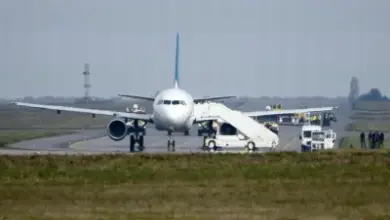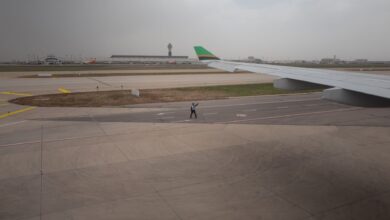
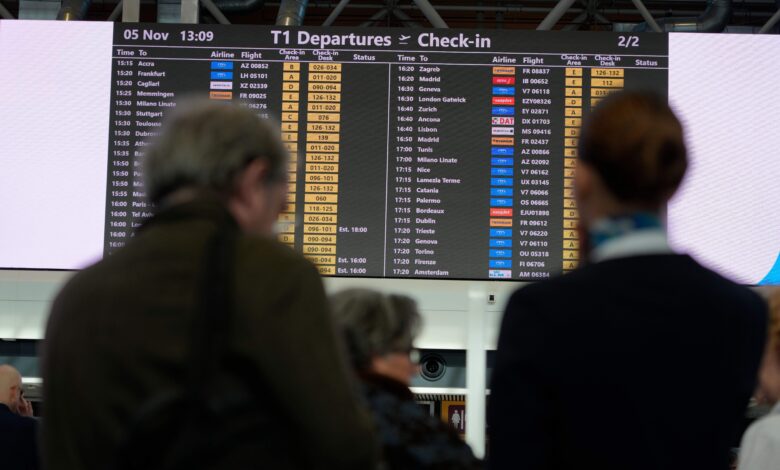
The most significant operational response involved an Aer Lingus flight traveling from Dublin to Rome. According to the office of French Prime Minister Sébastien Lecornu, the aircraft was diverted to Evreux, a military air base in Normandy, after Italian authorities alerted the French government to a bomb threat. A French warplane escorted the airliner to the base, where it landed safely. All 151 passengers and six crew members were reported safe. Military bomb disposal teams subsequently examined the aircraft, with passengers processed in groups of ten. Italian authorities initiated an investigation, while French aviation security authorities opened a parallel inquiry into the incident.
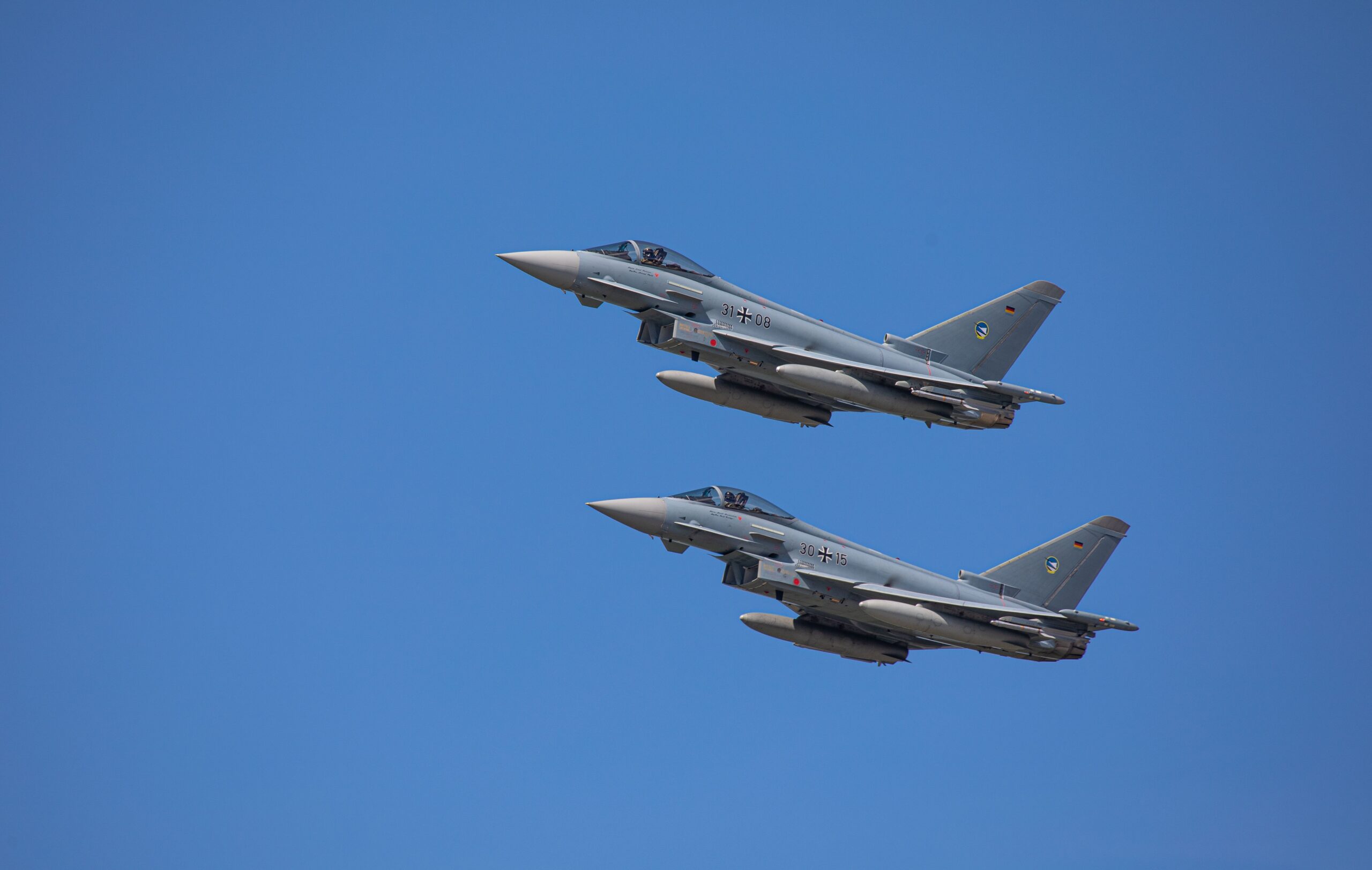
In Italy, a Finnair flight from Helsinki to Rome (AY1761) was escorted by Italian Air Force fighter jets after receiving an email threat. The aircraft landed at Rome’s Leonardo da Vinci airport around 9:30 a.m. Police bomb disposal experts inspected the plane and found no explosive materials. Finnair characterized the threat as an “unfounded hoax.” The airline reported that a second flight, operated by Jettime from Helsinki to Vienna, also faced a similar scare but landed safely at its destination and was expected to return to service after inspection.
Other confirmed incidents included a LOT Polish Airlines flight from Warsaw to Brussels, which landed at its destination where inspections found no suspicious items. A Wizz Air flight from Milan to Bucharest also completed its journey safely after a threat was reported; airport spokesman Teo Postelnicu confirmed that checks turned up no threat and that air traffic continued on schedule. In Austria, police in Lower Austria province stated that a flight bound for Warsaw landed in Vienna following a mail threat containing an “abstract threat.” No items were found, and the plane continued to its destination. Additionally, a vague threat concerning four other flights at Vienna Airport was reported, though operations were not disrupted.
Czech police confirmed that four planes landing in Prague were searched after being targeted by bomb threats, though they did not specify the origin of the flights. Authorities noted that precautions were taken despite the threats not being deemed credible. In Poland, a LOT flight scheduled to depart Warsaw for Paris was checked after a threat was reported at Warsaw’s Chopin Airport. Airport spokesman Piotr Rudzki stated that no threat was ultimately identified, though one runway at the airport was temporarily closed during the security sweep.
These incidents follow a string of disruptions earlier in the week, including hoax bomb threats, attacks on supermarket refrigeration systems, drone incursions, and mysterious triggers to alert apps. Authorities have warned that the frequency and nature of these events reflect a rising tide of hybrid threats. While the immediate tactical outcome of Thursday’s events was limited to operational delays and resource allocation for security forces, the strategic implication lies in the resilience of European civilian infrastructure and the increasing burden placed on military and police resources to manage non-state security challenges.
At the time of reporting, no hazardous or suspicious materials had been found aboard any of the affected aircraft. The use of military escorts for commercial airliners, while a standard procedure for high-severity threats, underscores the blurring lines between national security and civilian safety in the current geopolitical climate. Investigations into the origin and motivation behind the coordinated threats are ongoing.