
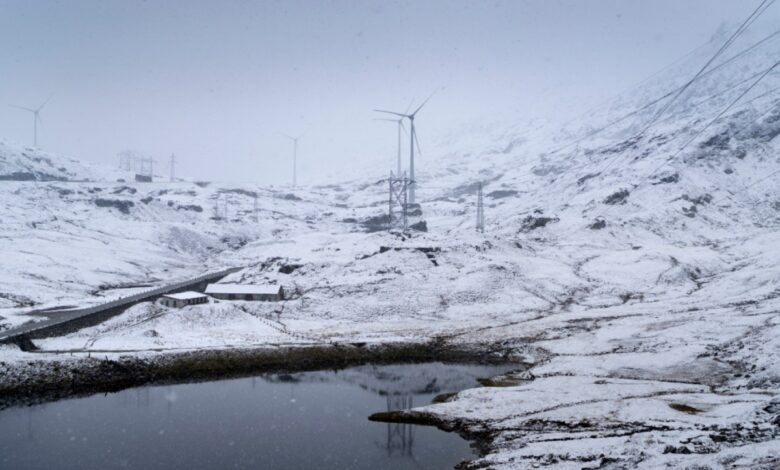
The early closures affect key transit routes connecting different Swiss cantons and neighboring countries. The Gotthard Pass, linking Hospental in Uri to Airolo in Ticino, and the San Bernardino Pass, connecting Hinterrhein in Graubünden to the San Bernardino valley, are among the most significant routes affected. According to the TCS, the usual winter closure for these passes normally occurs between November and May. However, recent weather events have necessitated an earlier shutdown to ensure road safety.
Other passes have faced varying degrees of restriction. The Furka Pass was reported as impassable until Monday in one update, while other reports indicate it is in “hibernation” with car transport services available between Oberwald and Realp for vehicles. The Grimsel Pass, connecting the Bernese Oberland and Valais, was closed from the Handeck power station onwards. In contrast, several other major routes remain open, including the Albula, Flüela, Bernina, Julier, and Forno passes, which serve as important links to the Engadine region and Italy.
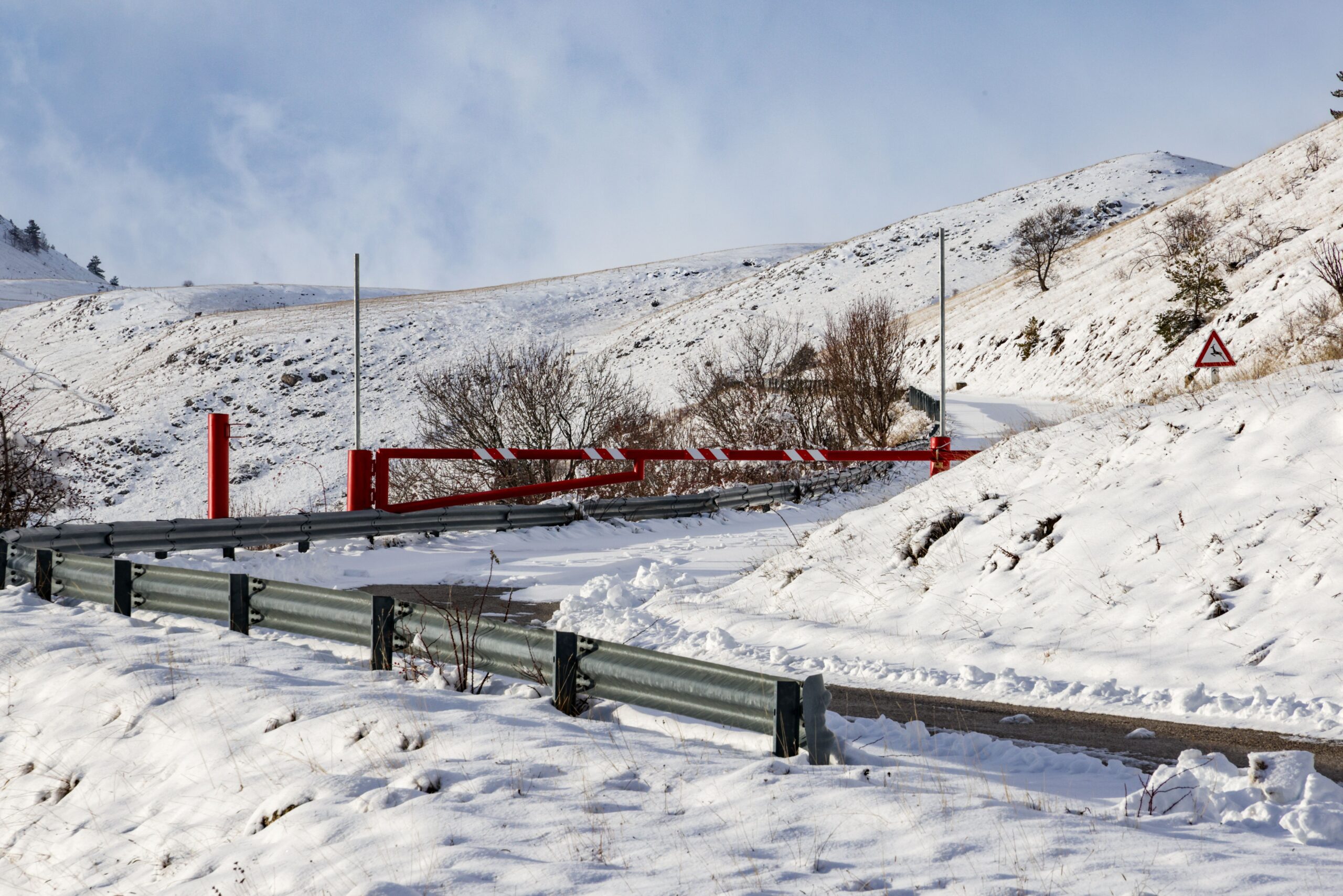
The closure follows a pattern of early snowfall in the region. Previous reports noted that around 20 centimeters of fresh snow fell above 2,000 meters at the end of September, leading to early closures for several passes. The Uri construction department and Bernese cantonal police have issued warnings that short-term closures due to rapid weather changes are possible at any time for remaining open routes, such as the Oberalp and Gotthard passes, which may require winter equipment or face night closures.
Authorities emphasize that the situation can change rapidly as weather conditions evolve. The TCS advises motorists traveling through Alpine regions to consult the latest traffic updates before setting out. While some passes like the Forcola di Livigno are scheduled for later seasonal closure, the current early closures underscore the variability of winter weather in the high-altitude regions of Switzerland.