The heat wave is the third of the year for the continent, with forecasters warning that temperatures could reach 43°C in the Mediterranean. France recorded its hottest day on a national scale on Tuesday, with the mercury hitting 44.3°C in Pissos in southwestern France. More than half of France’s 96 departments are under a “danger-to-life” red alert. Across the channel, the UK’s Met Office has warned that daytime highs in southern England could reach 38°C, accompanied by “dangerous” tropical nights where temperatures remain above 20°C. In response, the UK has closed more than 1,000 schools in England and Wales, while train services in Paris and Brussels have been reduced to mitigate the risk of breakdowns.
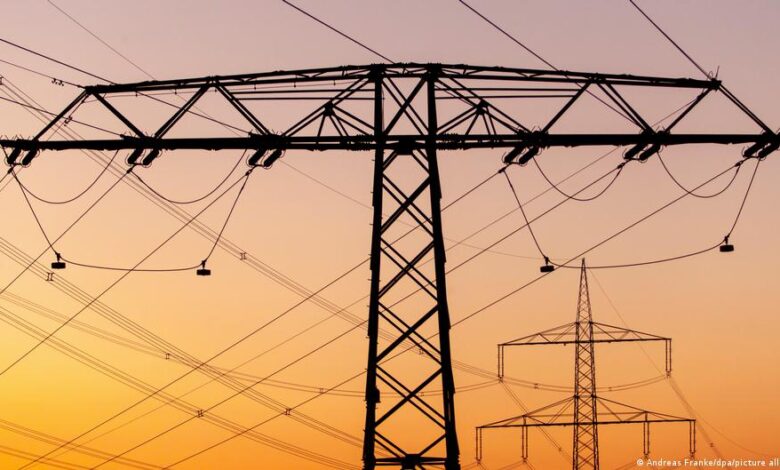
Extreme heat poses a dual threat to energy security: it spikes electricity demand for air conditioning and cooling, particularly in the late afternoon as solar generation fades, while simultaneously degrading the performance of grid infrastructure. Transformers and power plants are vulnerable to heat stress, leading to increased fault rates. Iain Staffell, an associate professor of sustainable energy at Imperial College London, noted that as temperatures rise, “things stop working quite so well,” and faults are expected to become more common. This strain is evident in recent data from the United States, where heat-season power outages rose by approximately 60% over the past decade compared with the 2000s, according to the nonprofit Climate Central.
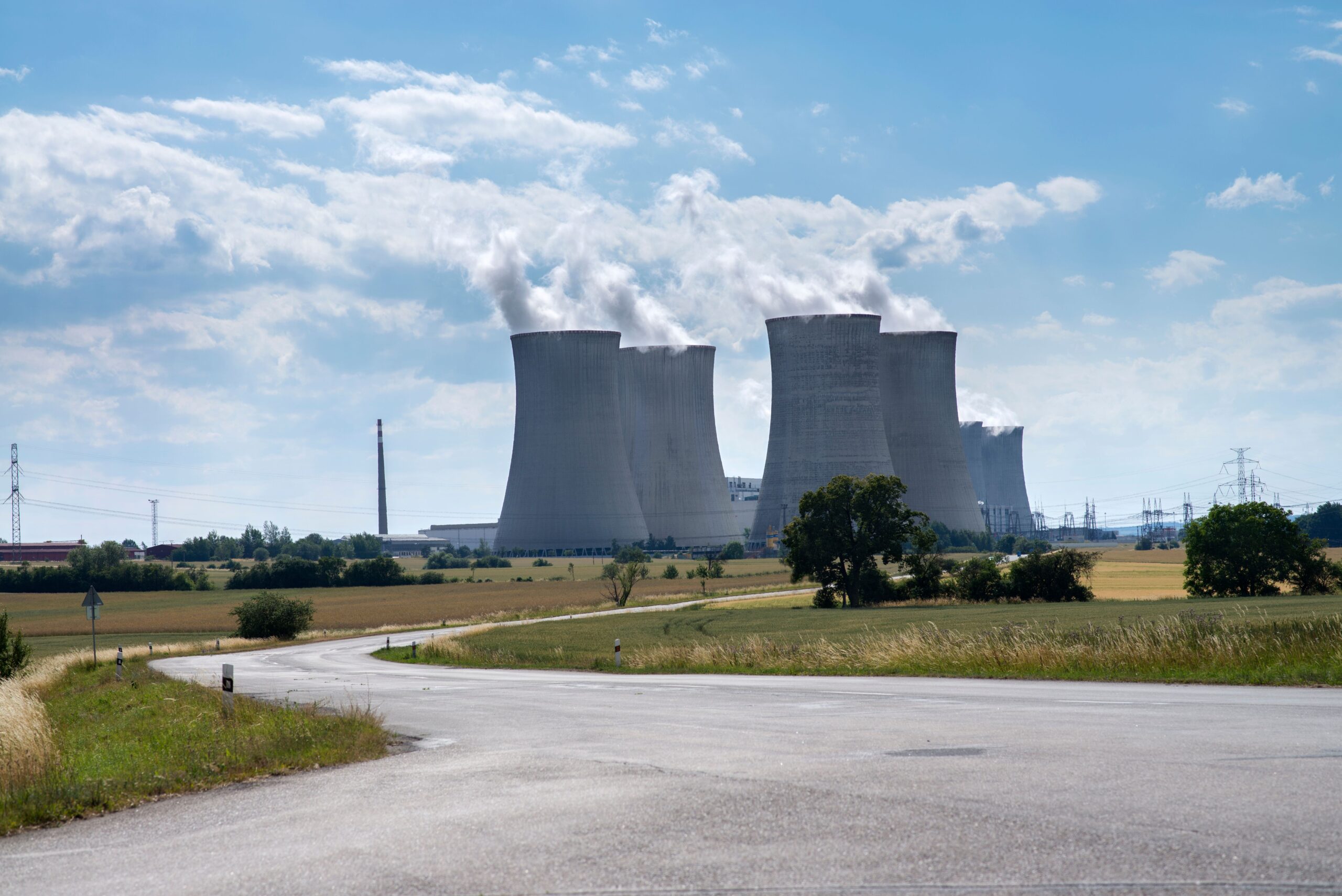
The recent disruptions follow a major multi-hour outage that affected Spain and Portugal late last month. During that incident, Spain lost around 60% of its power generation, grounding planes, halting public transport, and forcing hospitals to suspend operations. It took 23 hours for Spain’s grid to return to normal capacity, though the root cause remains unknown. These events have prompted calls for governments to invest in more resilient electricity systems, particularly as the energy transition progresses and power generation becomes more decentralized and variable. Electricity demand is also growing due to economic development and the rollout of new technologies, such as artificial intelligence, further intensifying the load on existing infrastructure.
The immediate priority for grid operators in affected regions is the restoration of power to critical sites, including healthcare facilities and nursing homes, many of which have been provided with backup generators. In France, authorities are urging citizens to avoid direct sunlight and exercise “absolute vigilance.” The situation underscores the growing link between climate change and energy reliability, with longer, more frequent, and intense heat waves expected to challenge power networks worldwide. Policy makers and energy experts are increasingly focused on adapting power systems to cope with these changing weather patterns to ensure energy security for vulnerable populations, including the elderly and those with chronic illnesses.