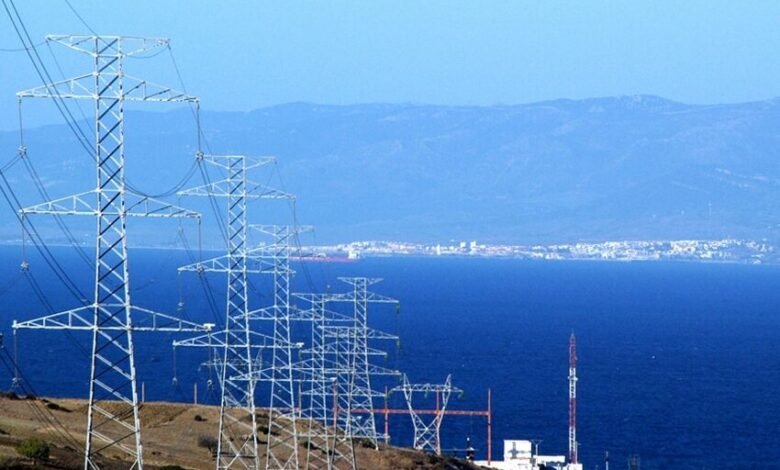
In the aftermath, both Spain and Portugal are moving to expand their electrical ties with the Kingdom. Portugal, which inaugurated a new interconnection with Spain on July 2, 2026, still characterizes the Iberian Peninsula as an “energy island.” On July 6, Portuguese authorities announced they are studying the feasibility of a direct electricity connection with Morocco. Simultaneously, Spain is revisiting a third interconnection with Morocco, originally planned for 2026. However, economic realities are complicating this timeline. Spain’s regulatory authority, the CNMC, noted that project costs have nearly doubled to €434.6 million. The regulator has requested a rigorous cost-benefit analysis, cautioning that final commissioning could slip to the 2033–2034 period. These developments are framed within the EU’s new T-MED initiative, launched in June 2026 to promote green electricity interconnection with the southern Mediterranean.
While looking north toward Europe, Morocco is simultaneously developing a southward energy corridor to integrate with West Africa. A topographic study has just been launched for a 400-kilovolt interconnection line of approximately 370 kilometers linking Dakhla in Morocco to Boulenouar in Mauritania. This link would connect Morocco to the West Africa Power Pool (WAPP). To support this expansion and manage the massive renewable capacity under development in its southern provinces, ONEE is preparing a 1,400-kilometer ultra-high voltage “green electric highway.” This transmission line would link Dakhla to Mediouna, near Casablanca, with a capacity of 3,000 megawatts. Geotechnical studies for this domestic transmission backbone are about to begin.
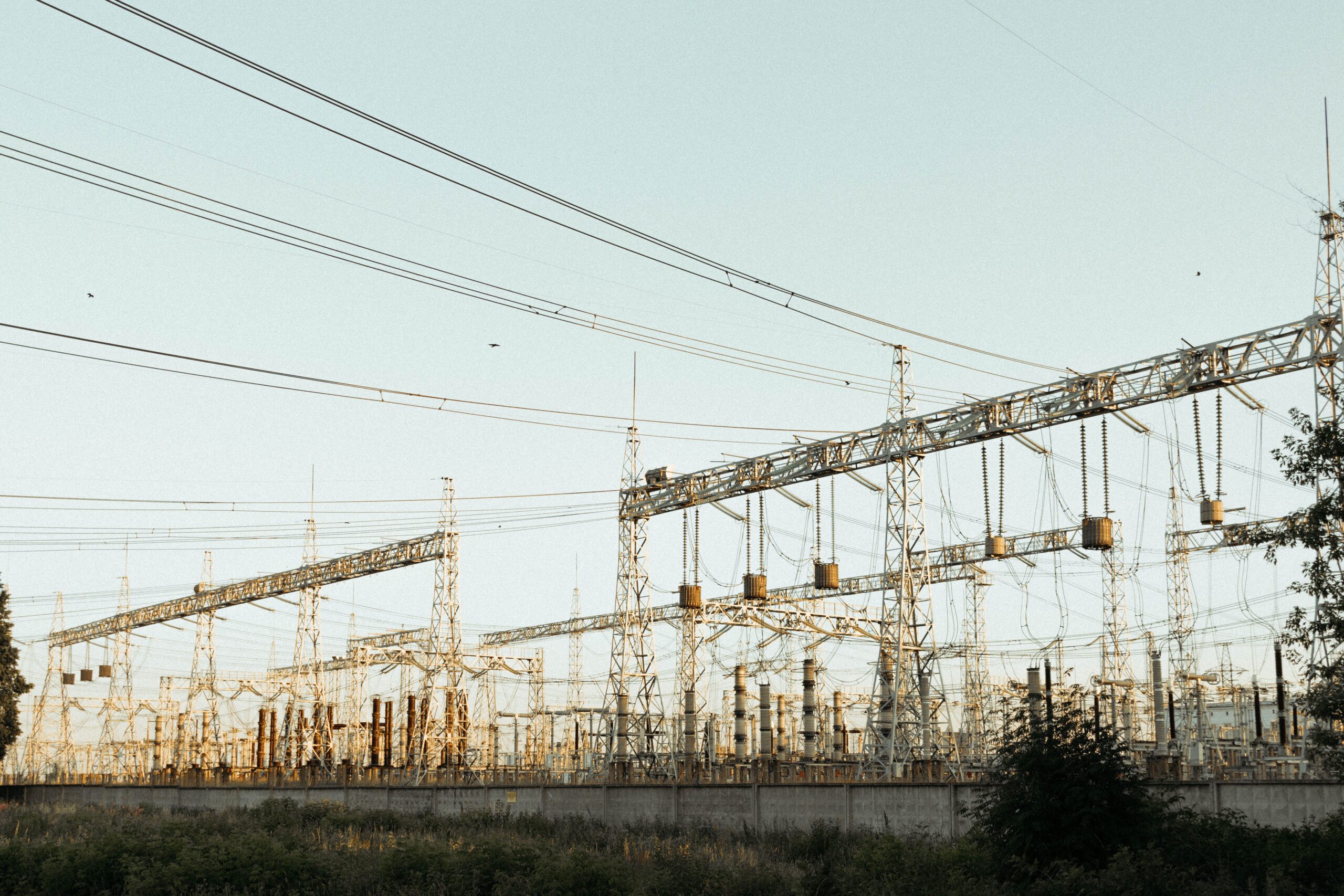
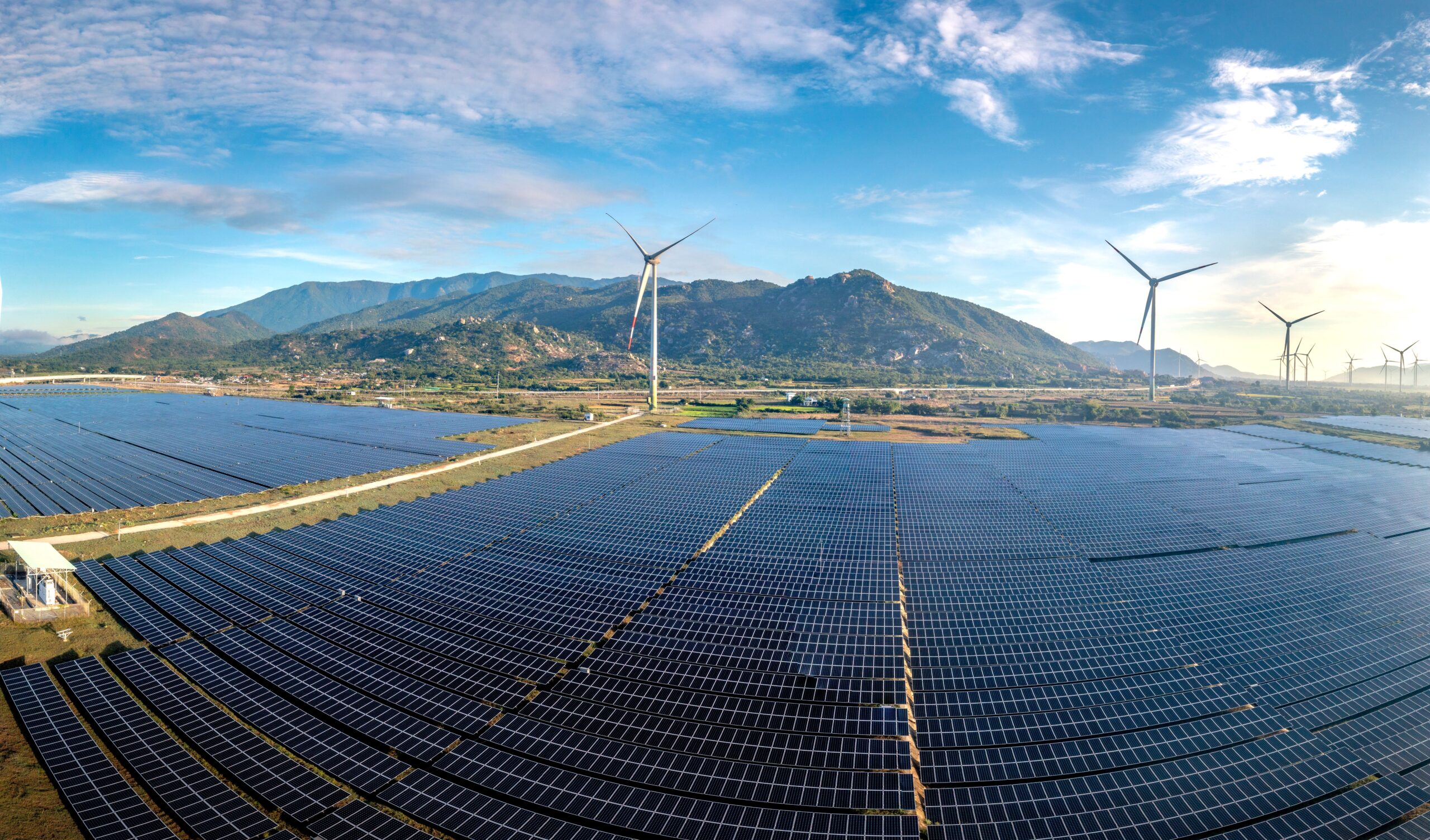
Looking further ahead, two flagship export projects aim to carry Moroccan renewable energy directly to northern Europe. The Sila Atlantik cable targets Germany, while the Qantara Med cable targets France. Together with the Iberian links and the southern corridor, these projects frame Morocco’s emerging identity as a regional energy hub, situated at the intersection of European decarbonization ambitions and Africa’s expanding power markets.
These energy infrastructure developments occur against a backdrop of broader economic stabilization. Morocco reported a 124% rise in tourism receipts to 14.62 billion dirhams ($1.5 billion) up to April this year, according to the exchange office. This figure brings the sector closer to pre-pandemic levels of 2019, though analysts note that receipts could have been higher had not Ramadan coincided with April, affecting travel patterns. Financial institutions are also expanding their reach, with Banque Centrale Populaire (BCP) reinforcing its African footprint through the acquisition of Banque des Mascareigne in Madagascar and opening a subsidiary in Mauritius.
The strategic positioning of Morocco is further complicated by geopolitical dynamics in the region. During the November 10 United Nations General Assembly session, Morocco’s Permanent Representative, Ambassador Omar Hilale, highlighted ongoing tensions with Algeria, which he described as blocking efforts to reach a political solution on the basis of Morocco’s autonomy plan for the Sahara. While these political tensions persist, the technical and economic drivers for energy integration between Morocco and its neighbors continue to advance, driven by the urgent need for grid stability and diversified supply routes in the Mediterranean.
The next critical milestone for the region is the completion of the cost-benefit analysis for Spain’s third interconnection, which will determine if the project remains on track for the early 2030s or faces further delays. Simultaneously, the geotechnical studies for the Dakhla-Mediouna ultra-high voltage line will provide the first concrete data on the feasibility of Morocco’s domestic renewable export infrastructure.