Record-Setting Pollution Levels
According to Swiss air quality monitoring group IQAir, Lahore’s pollution levels surged to critical heights in early November 2025. On Monday, November 9, the city was ranked the most polluted major city globally, with an AQI reaching 590. A separate historical reading on the same platform recorded an hourly index of 647, placing the air in the “hazardous” category. By Tuesday, November 10, while the aggregate AQI dipped to 263, the city remained at the top of the global rankings, with levels more than three times higher than the second-ranked city, Ulaanbaatar. The concentration of PM2.5—fine particulate matter that penetrates deep into the lungs—was reported to be 37.2 times higher than the World Health Organization’s annual guideline.
The impact is not confined to the city center. IQAir’s local station data reveals that specific neighborhoods, such as Allama Iqbal Town, recorded AQI figures as high as 1,033. Other major cities in the region are also struggling, with Faisalabad recording an AQI of 283 in some reports and up to 600 in real-time hazardous readings, while Multan and Raiwind also entered the hazardous category. These figures underscore a regional health crisis; globally, outdoor particulate matter alone accounts for an estimated 4.7 million deaths annually.
The Cross-Border Blame Game
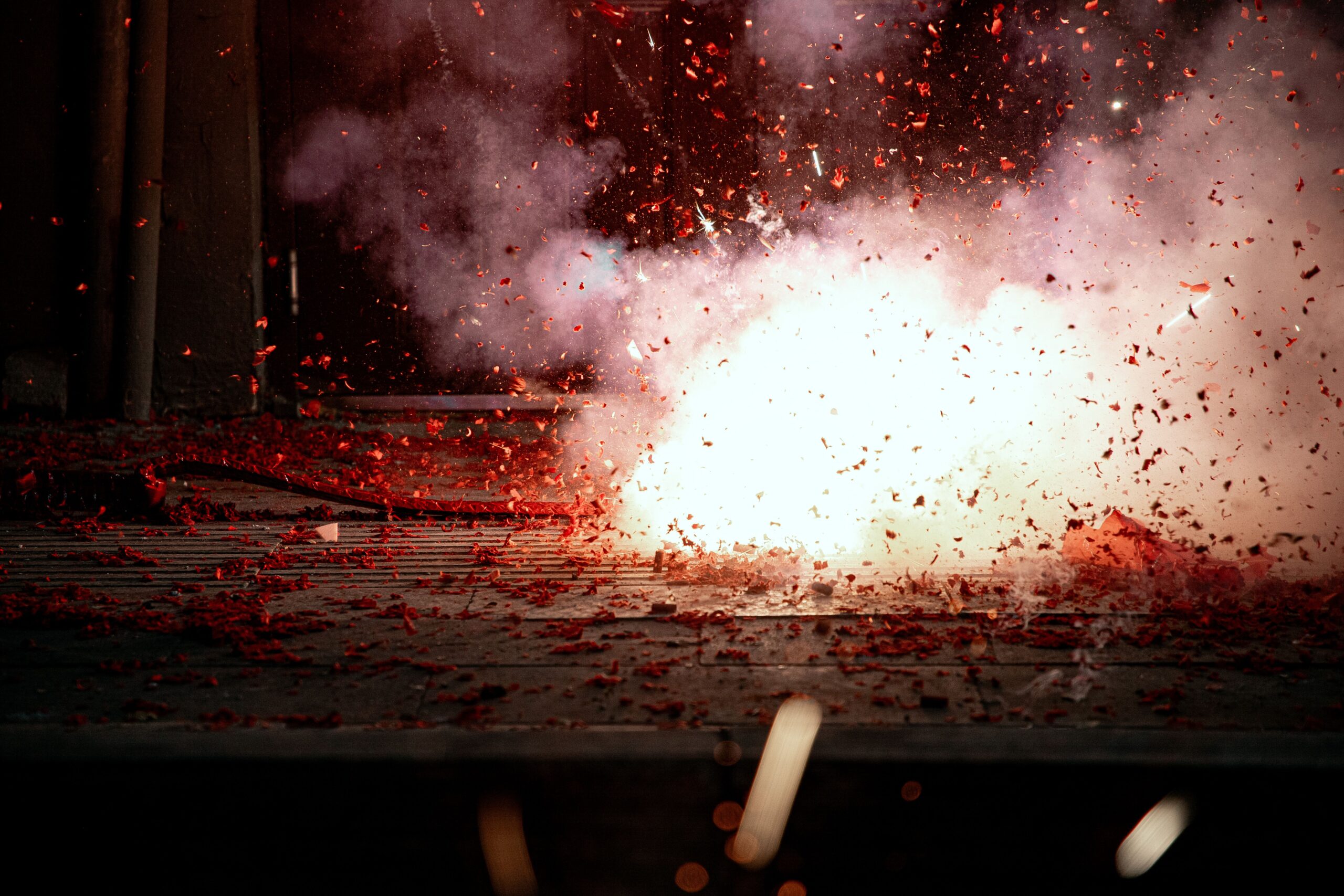
Amidst the smog, Punjab Environment Protection Minister Marriyum Aurangzeb attributed the worsening conditions to pollutants traveling from India following Diwali celebrations. She stated that light winds and air currents carried firecracker emissions into the region, predicting that air quality would improve as winds shifted in the afternoon. This allegation revives a recurring dispute between the two nations. In 2024, Pakistan similarly blamed crop-waste burning in Indian Punjab for its toxic air, a claim then rejected by India’s weather department, which indicated that wind patterns were actually blowing air from Pakistan into India.
India’s Ministry of External Affairs did not immediately respond to requests for comment on the latest accusations. However, Indian government data provides context to the regional picture: in New Delhi, which ranked as the second-most polluted city with an AQI of 188, firecrackers accounted for nearly 55% of PM2.5 pollution a day prior to Diwali. While this confirms the significant impact of fireworks in India, it does not isolate them as the sole cause of Lahore’s crisis.
Year-Round Baseline Challenges the Narrative
While firecrackers add a temporary spike to pollution, they do not explain the sustained, hazardous levels observed in Lahore. An assessment published on November 2 by the environmental monitoring project Hamari Hawa, titled “Lahore’s smog: The year-round baseline, and what changes in October,” offers a crucial counter-narrative. The study indicates that Lahore’s monthly average PM2.5 concentration remained above 35 micrograms per cubic meter in every month between October 2025 and October 2026. Even during the relatively cleaner months of April through September 2026, averages hovered between 40 and 59 micrograms per cubic meter.
This data suggests that Lahore’s air is rarely, if ever, “clean” by international standards. The winter deterioration is driven by a combination of factors including vehicle emissions, construction dust, and smoke from crop-residue burning, all exacerbated by winter weather patterns that trap pollutants near the ground. Attributing the crisis primarily to Diwali fireworks risks obscuring these deeper, structural issues.
A Shared Regional Problem
The episode highlights the complex nature of air pollution in South Asia, where both India and Pakistan face similar challenges. In India, the Bharatiya Janata Party has blamed crop-waste burning in Indian Punjab for Delhi’s poor air quality, despite state government claims that such incidents are limited. Local media in India reported a sevenfold increase in farm fires on the day of Diwali, suggesting that agricultural practices and festive activities both contribute to the regional haze.
For Lahore, the focus on Diwali may serve as a political deflection from local enforcement failures. While cross-border pollution is a real phenomenon that depends on wind direction, the evidence points to a much deeper problem: a year-round baseline of high pollution that turns hazardous during winter months due to local emissions and meteorological conditions. Addressing Lahore’s air quality requires moving beyond the blame game to tackle the persistent sources of PM2.5 that affect the city’s residents every single day.