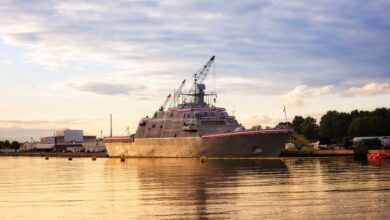
The scene on the water reflects a broader, high-stakes confrontation unfolding between Moscow and the North Atlantic Treaty Organization. On September 30, Russia sent a diplomatic note to NATO warning that it would be ready to resort to nuclear weapons if the Western alliance attempted to cut off Kaliningrad, a Russian exclave wedged between Poland and Lithuania. In the document, seen by Reuters, Moscow accused the alliance of a “dangerous and reckless course” that entailed “high risks of the outbreak of a direct armed conflict.” The note explicitly stated that Russia would be prepared to use its “entire arsenal of forces and capabilities,” including nuclear weapons, to defend its territory should NATO undertake any attempt to isolate the region.
Kaliningrad, a territory slightly larger than the US state of Connecticut, is heavily militarized and strategically vital to Moscow. It serves as a linchpin for Russia’s energy independence in the region, particularly through assets like the Marshal Vasilevskiy. Originally built as a floating re-gasification vessel, the ship supplies LNG to the exclave, providing an alternative to pipeline gas delivered through Lithuania. As relations have deteriorated, the strategic importance of this alternative supply route has grown, especially as sanctions have curtailed other parts of Russia’s energy exports and forced a pivot toward LNG projects such as Yamal.
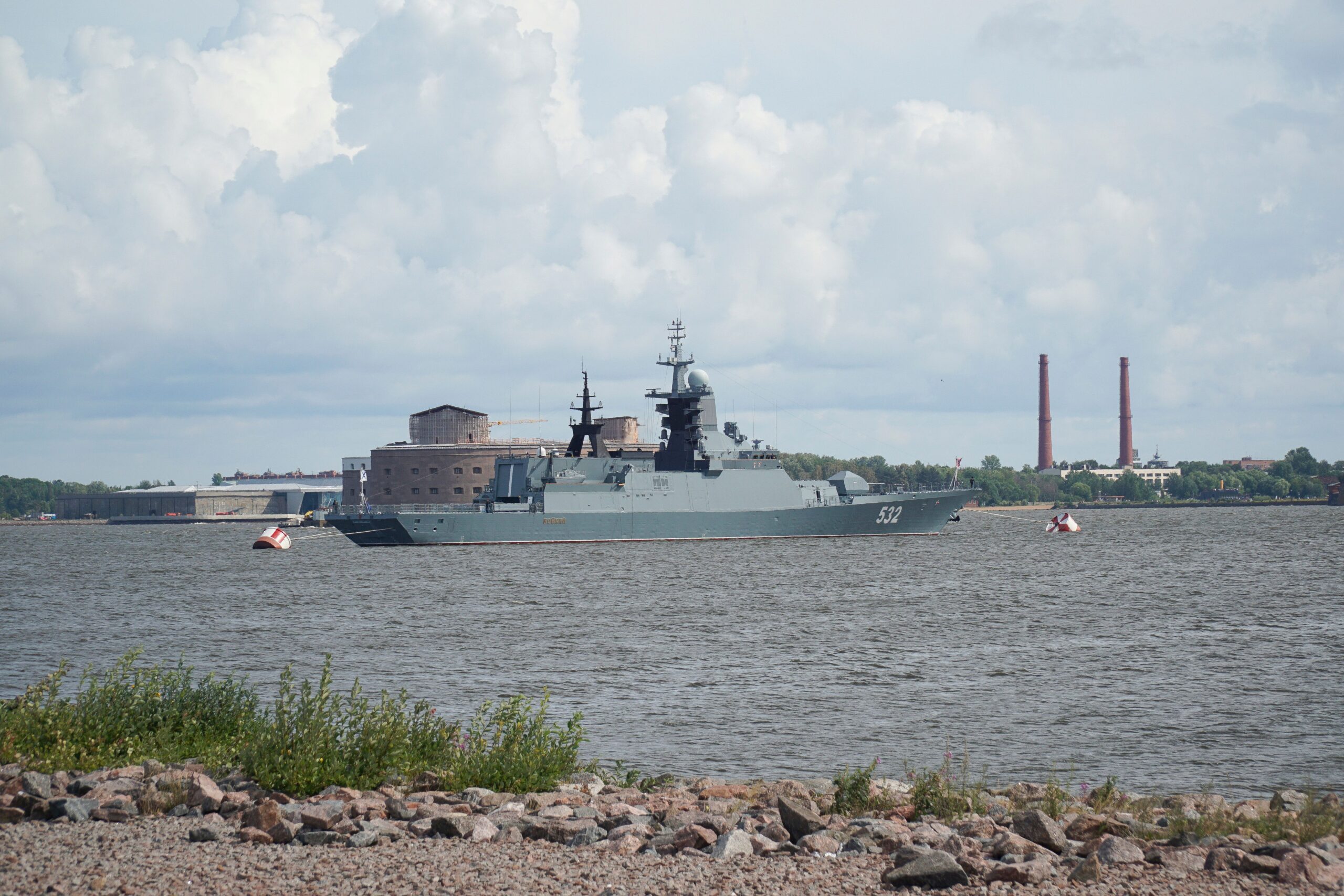
NATO’s response was swift and categorical. Secretary General Mark Rutte stated that the alliance is “a defensive alliance” and urged Russia to “stop the nuclear threats,” deeming them “absolutely not called for and not helpful.” In a written response also seen by Reuters, NATO asserted that none of its exercises or activities pose a threat to Russian territory. The alliance further called upon Russia to end its “unprovoked full-scale invasion of Ukraine” and to cease “irresponsible nuclear rhetoric.” When asked at a defense conference in Brussels whether the risk of nuclear weapons being used against the Baltics was now real, Rutte dismissed the notion, noting that Putin knows the consequences of such a move would be severe.
The diplomatic exchange occurs against a backdrop of heightened military vigilance. The Baltic Sea has become one of Europe’s most militarized waterways, a status reinforced by the recent integration of Finland and Sweden into NATO. Both nations dropped decades of military non-alignment following Russia’s 2022 invasion of Ukraine. This shift has fundamentally altered the security architecture of the region. For Finland, the change is particularly profound; with over 80 percent of its foreign trade historically seaborne through the Baltic, the country’s security is inextricably linked to maritime access. Since the war began, this proportion has risen to 95 percent, making the sea a critical artery for national survival rather than just a trade route.
This heightened alertness was made visible on Thursday when Swedish and Finnish fighter jets were scrambled to identify a Russian detachment in international airspace over the Gulf of Finland. The Quick Reaction Alert (QRA) jets identified a group consisting of a Tu-134 transport aircraft, MiG-31 fighter jets, and Su-30 fighter jets. The Finnish air force noted that this was the first joint operational “identification mission” for the two air forces. Swedish Prime Minister Ulf Kristersson commented on the operation, stating, “The Baltic Sea has never been as vulnerable as it is now – but it has also never been better protected than it is right now.”
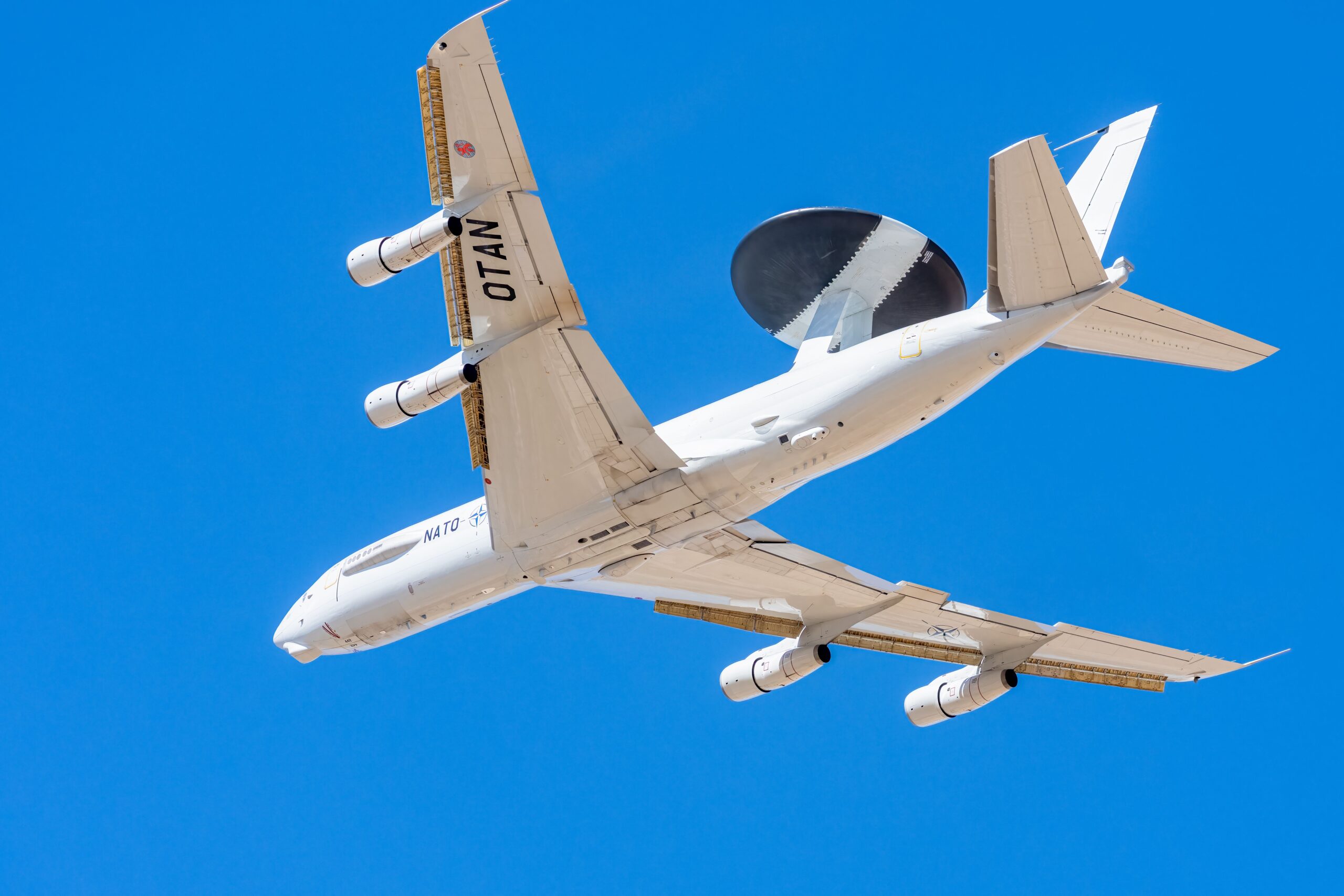
The convergence of these events—nuclear warnings, joint air interceptions, and the arming of commercial ships—illustrates a transition from political rivalry to a state of persistent, low-intensity confrontation. Analysts suggest the machine guns on the Marshal Vasilevskiy may be intended to deter helicopter boarding operations or engage small surface craft and low-flying drones, capabilities that align with the hybrid warfare readiness that Helsinki has adopted. The Danish Defence Intelligence Service (DDIS) has also noted that the risk of Russian military action against NATO countries is growing.
As the invasion of Ukraine drags into its fifth year, the Baltic region finds itself at the center of a new geopolitical reality. The waters that once facilitated cultural exchange and economic integration are now patrolled by fighter jets and scrutinized for threats. The Marshal Vasilevskiy, armed and navigating these tense waters, stands as a symbol of this shift: a civilian vessel transformed into a node of military strategy, reflecting a region where the line between economic lifeline and military frontier has blurred.