
The closure, reported by TDC on Wednesday evening, represents a precautionary measure to protect public health and the local ecosystem. A spokesperson for the council emphasized that the decision to restrict access “had not been taken lightly.” Officers are currently on the ground inspecting the affected zones, while the council has urged residents, particularly dog walkers, to stay away from the beaches. The public is being asked to report any further sightings of oil deposits to the local authority to assist in mapping the extent of the spill.
The precise source of the oil remains unidentified. While the immediate cause is under active inquiry, the presence of the substance has triggered a bathing ban at the affected locations. A spokesperson for the Environmental Agency stated that the agency is working to investigate the origin of the pollution, assess the environmental impacts, and implement necessary actions to mitigate further damage. “As a precaution, we’ve advised against swimming at affected locations while investigations continue,” the EA representative said.
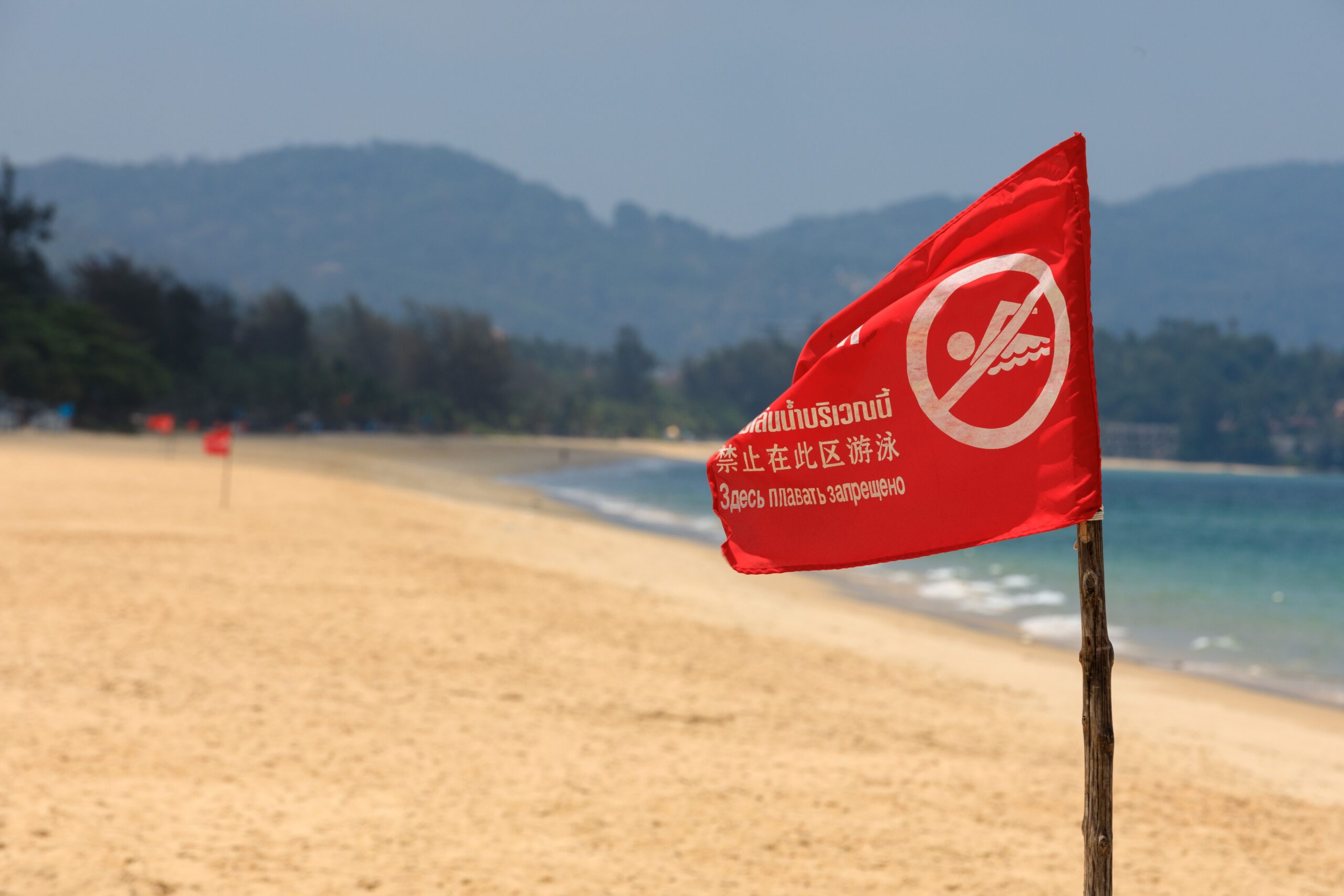
The geographic scope of the incident is significant, affecting a stretch of the Kent coast that draws substantial visitor numbers. The closure of beaches in Margate and Ramsgate impacts not only leisure activities but also the local economic reliance on tourism during the season. However, the primary focus of the current response is environmental containment and public safety. The joint effort between TDC, the EA, and the Maritime and Coastguard Agency highlights the tiered response protocol used for marine pollution incidents in the region, where local authorities manage immediate public safety while national agencies determine the regulatory and environmental implications.
Currently, there is no evidence provided in the available reports that links this specific spill to long-term climate patterns or industrial accidents at a named facility. The investigation is focused on determining the immediate source—whether from a vessel, an offshore platform, or a terrestrial runoff event. Until the source is confirmed, the classification of the oil (e.g., crude, refined, or industrial waste) remains unknown, which complicates the assessment of its long-term ecological toxicity and persistence in the sand and water.

The situation remains fluid. Authorities are monitoring the coastline for further deposits, and the timeline for reopening the beaches will depend on the results of the environmental impact assessment and the successful removal of the oil. For now, the affected communities are advised to respect the closures to ensure the safety of both individuals and the coastal habitat.