The diplomatic exchange highlights a sharp divergence in perspective regarding the incident. While US officials maintain that the woman with whom Huang had an extramarital affair, identified as Alice Huang, worked for Chinese intelligence, Chinese authorities have denied the claims as “entirely speculative.” Mao Ning emphasized that China is willing to work with the US to implement the consensus reached by their heads of state, referencing recent trade de-escalation efforts.
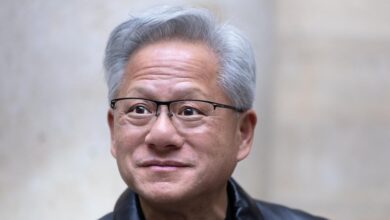
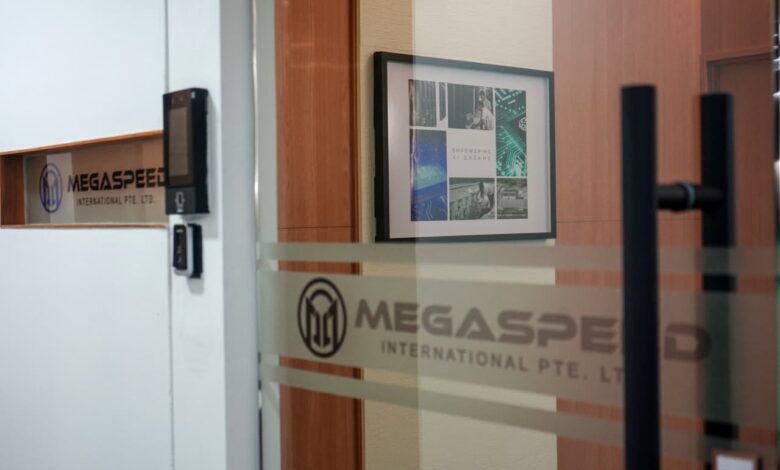
Nvidia, the world’s leading supplier of chips powering artificial intelligence, launched an independent investigation into Huang on Sunday. The 63-year-old co-founder has admitted to the affair but has not been removed from his role. The company’s board is currently assessing the future of its chief executive, with no publicly confirmed succession plan in place. The investigation follows reports that the woman involved was a former executive at Megaspeed, a Singapore-based company at the center of the controversy.
Megaspeed issued its first public statement on Thursday, stating that it takes compliance obligations under US export control laws “extremely seriously.” The company affirmed its commitment to working constructively and transparently with the US government. This statement addresses concerns that the relationship may have bypassed strict regulations governing the export of advanced semiconductor technology to China.
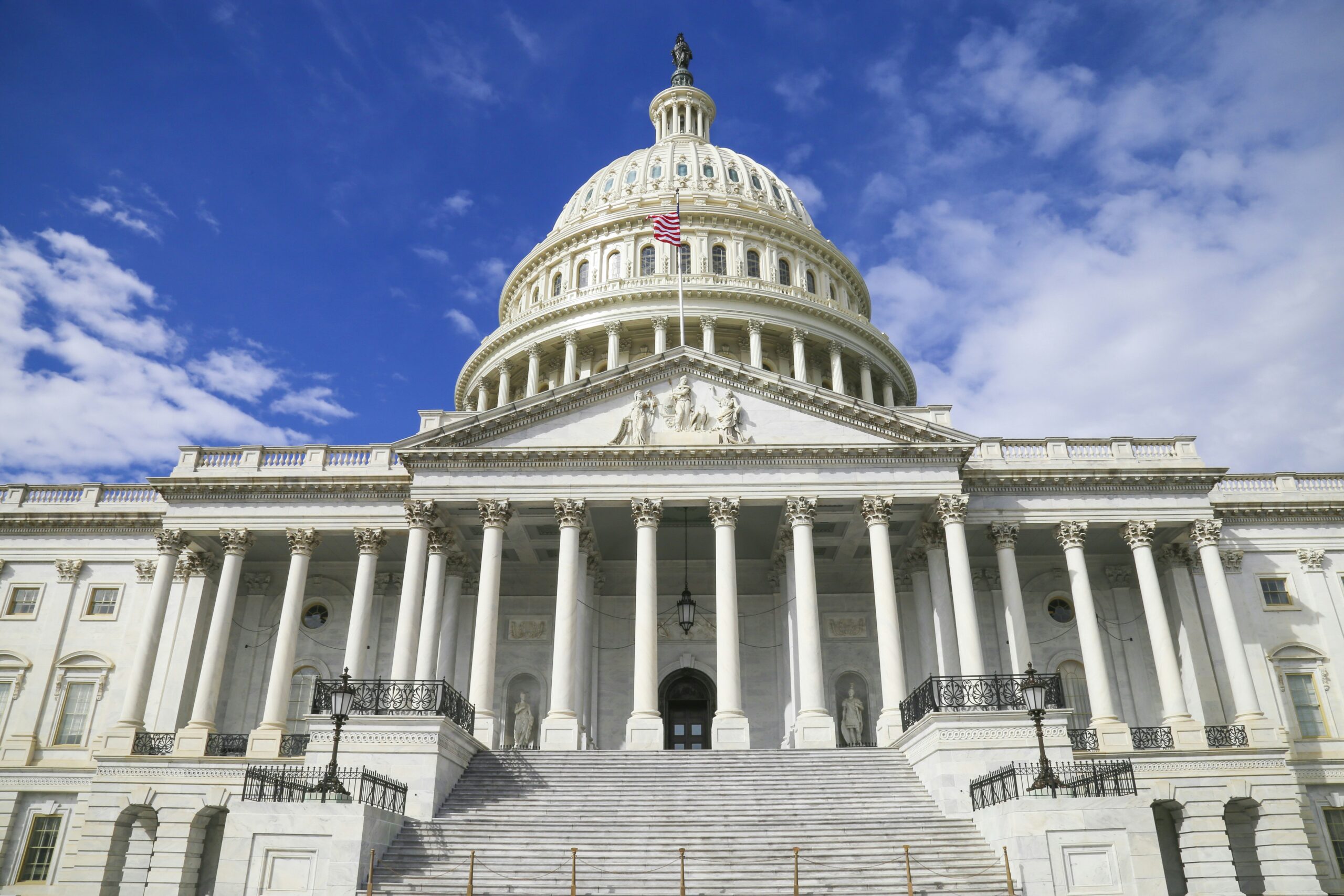
The scandal carries significant implications for US national security and the global AI race. Lawmakers in the US are using the incident to push for tighter controls on the export of AI chips. Last year, President Donald Trump cleared Nvidia’s H200 chips for export to China, a decision that drew objections from both Republicans and Democrats who fear Chinese dominance in the sector. Huang has spent years lobbying against such curbs, making his current investigation a focal point for debates on trade policy and security.
Despite the tensions, diplomatic channels remain active. The remarks from Beijing come ahead of a scheduled meeting between President Trump and Chinese President Xi Jinping at the APEC gathering in Shenzhen, southern China, next week. In Busan, South Korea, the two leaders previously agreed to ease tariffs and lift certain restrictions on technology to de-escalate trade tensions. The outcome of the Nvidia board’s investigation and the subsequent diplomatic discussions will likely determine the trajectory of chip export policies in the coming months.