Kerry’s intervention at the summit was not merely a political rebuke but an economic analysis of what he termed a historic mistake. He described President Donald Trump as the “biggest loser we’ve seen in a long time” for scrapping action on the climate crisis. The core of Kerry’s argument rests on the concept of competitive disadvantage. By withdrawing from the international climate process and axing measures that reduced planet-heating emissions, the US has, in Kerry’s view, ceded dominance in the clean energy sector to China.
“The first thing they should do is hold up a really big mirror so he can look at a loser,” Kerry told the Guardian, addressing the President’s recent comments. “Because he’s the biggest loser we’ve seen in a long time on all of these issues.” Kerry emphasized that the administration is missing “the competitiveness with China” and the “marketplace for goods that could be produced in the United States.” Under the previous administration, sweeping climate legislation provided tax breaks for clean energy and electric vehicle manufacturing, specifically designed to build a domestic supply chain capable of competing with China, which has long dominated clean tech. The current administration has eliminated most of this support, instead imposing tariffs on various goods and directing public funds to prop up struggling coal-fired power plants.
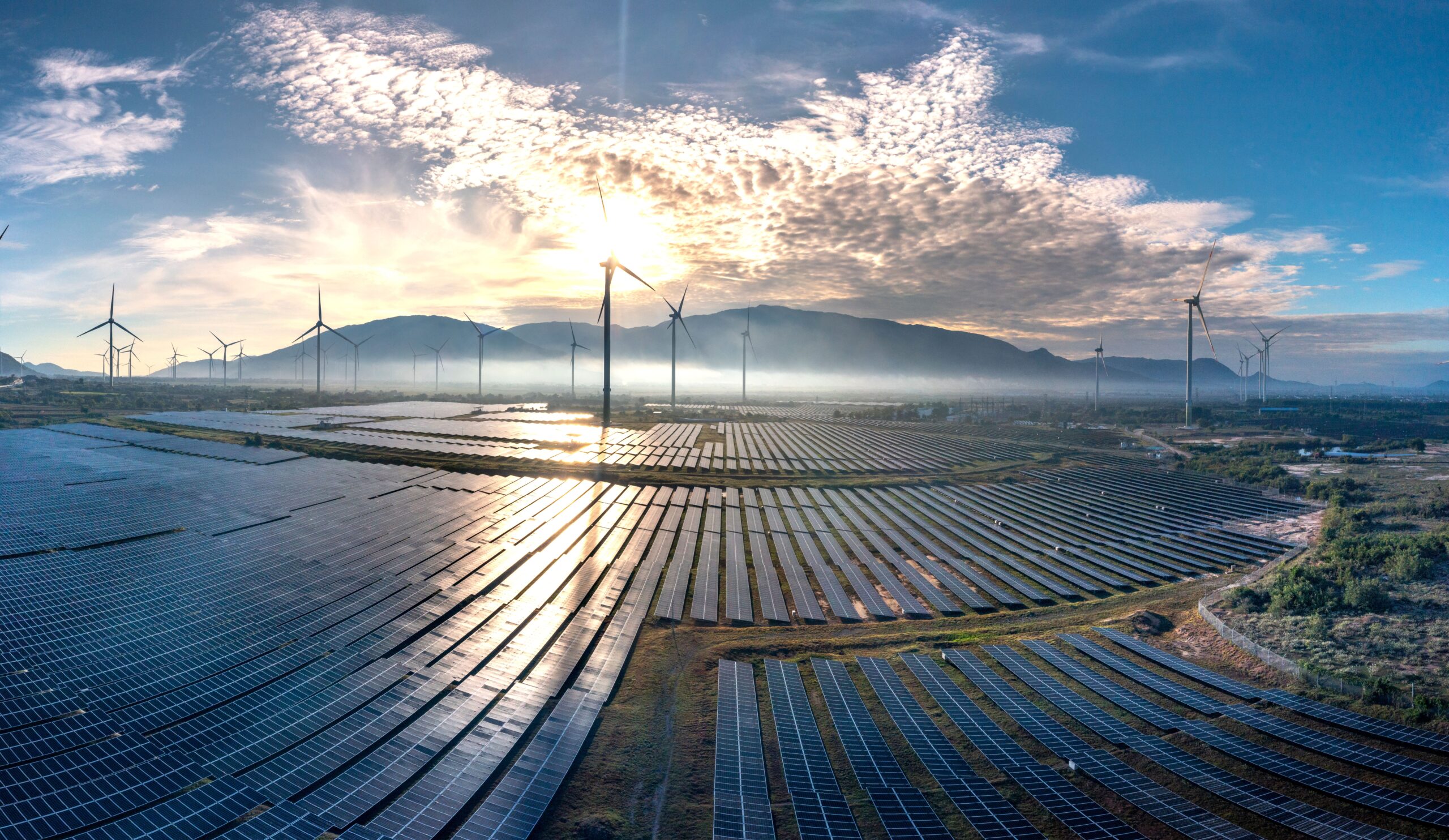
The environmental and economic implications of this pivot are profound. Kerry noted that coal is the dirtiest of fossil fuels, contributing significantly to the pollution that is dangerously overheating the planet. By “blackballing an entire sector of the economy,” the US has effectively removed itself from the global race to become a leader in sustainable technology. “He declared he wanted to beat China, be number one in X, Y, or Z, and he walked away from the battlefield,” Kerry said. “He totally took America out of that sector. So honestly, if you want to be number one, you don’t do it by literally blackballing an entire sector of the economy.”
This policy shift occurs at a time when global emissions have only edged down slightly, largely due to the rapid growth in renewables elsewhere in the world. However, scientists and UN officials warn that far larger and deeper cuts are required to avoid catastrophic climate change. António Guterres, the UN Secretary-General, told the delegates in Antalya that it was “long past time” to phase out fossil fuel use. The slow progress in even discussing the phase-out of fossil fuels, the central cause of the climate crisis, has provoked frustration among advocates. Swedish climate activist Greta Thunberg, who arrived in Antalya on Tuesday, described the summit as a “greenwashed circus,” highlighting the gap between the rhetoric of the talks and the reality of the crisis.
The US administration has dismissed the Cop31 talks entirely. A White House official stated that the summit “rejects reality by failing to acknowledge that extremist climate policies are destroying countries around the world,” confirming the absence of a US delegation. This stance is consistent with President Trump’s historical hostility towards climate science and clean energy. On Monday, the President expressed this sentiment directly, stating, “I will not approve wind turbines because wind turbines are a major loser.” This comment was made in the context of potential new legislation that would have made it easier to build new energy projects, but Trump’s long-held animus towards wind farms remains a barrier to such developments.
Despite the US withdrawal, Kerry argued that the climate crisis remains a significant issue for American voters. He noted that while it may not have been the central issue in the recent US midterm elections, concerns about global heating overlapped with alarm over rising energy costs, driving voters toward the Democrats. “All of the analysis that I’ve seen, I mean real analysis, has said this was one of the issues that counted,” Kerry said. He predicted that a number of the victorious Democratic candidates would keep climate high on their agenda.
The divergence between the US and the rest of the world at Cop31 highlights the growing complexity of international climate diplomacy. While the US focuses on domestic energy independence and traditional fossil fuel production, the global community continues to struggle with the pace of decarbonization. Kerry’s comments serve as a warning that abandoning the clean energy sector does not just weaken the US position on climate action; it forfeits a major economic opportunity. As the talks in Antalya continue, the absence of the US delegation stands as a tangible symbol of this split, leaving the rest of the world to negotiate the terms of a low-carbon future without American leadership.